
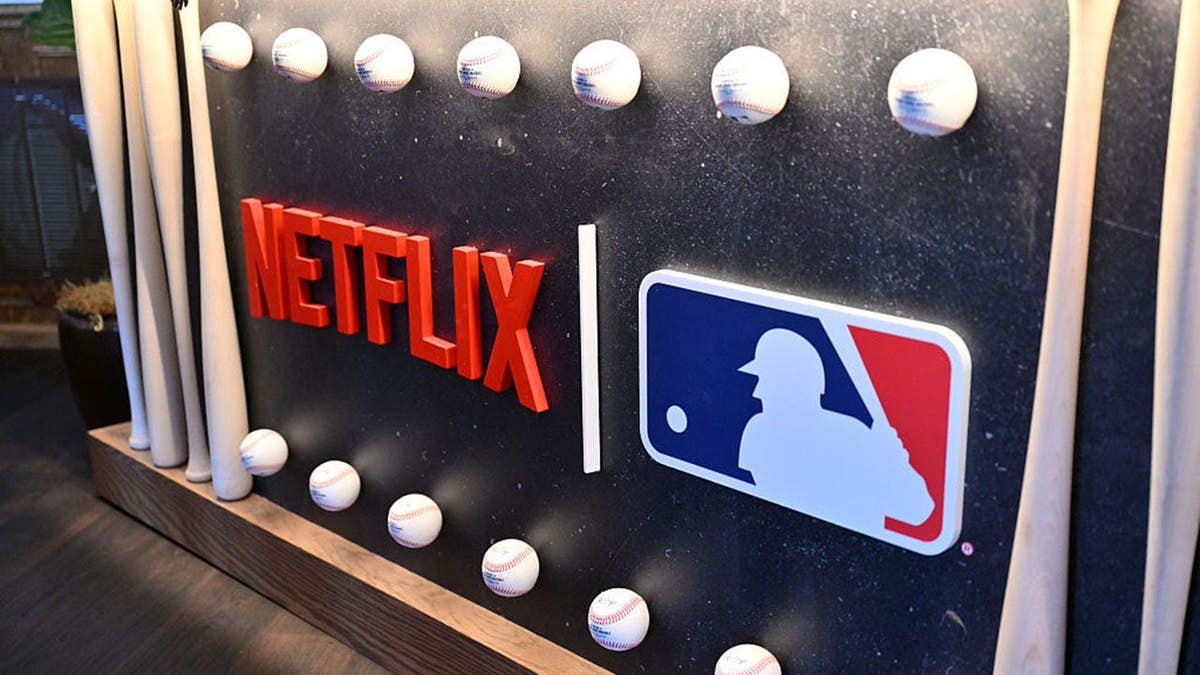
Major League Baseball has released the 2027 season schedule following the 2026 All-Star Game in Philadelphia. Noteworthy changes include the earliest Opening Day in baseball history, scheduled for March 24, excluding international games. A single game will mark the start of the season, with participating teams yet to be decided. Netflix, having recently hosted the Home Run Derby, is set to host this exclusive Opening Night game. This decision follows the Derby’s lackluster ratings.
Potential Challenges with New Schedule
The early Opening Day introduces significant concerns for the league, players, and owners. A lockout poses a real threat, especially if not resolved swiftly. The current Collective Bargaining Agreement between owners and the MLB Players Association will expire on December 1. While parties are closer to an agreement than initially feared, they remain at odds.
Owners have advocated for a salary cap, despite discrepancies in team performances, evidenced by the Marlins’ success over the Mets. Players reject any cap system, emphasizing its impact on their earning potential. The fundamental disagreement on the sport’s future could affect negotiations. The March 24 start compresses the timeline available for a resolution. Spring training is necessary, leaving even less time to avoid delays in the regular season.
Negotiations and the Path Forward
If negotiations expedite due to time constraints, a favorable outcome might emerge. Nevertheless, contrasting advancements with small-market victories may intensify discussions. Should the two sides reach an agreement, the 2027 All-Star Game will be hosted by Wrigley Field, a venue known for memorable moments.
Chicago Cubs star Pete Crow-Armstrong expressed his enthusiasm. “It’s going to be crazy,” he said, predicting the excitement Wrigleyville will experience. The event has the potential to be a significant spectacle, showing Wrigley Field to fans worldwide.
While the 2027 season’s prospects hold promise, the risk of alienating fans looms should negotiations falter. Missing games could financially harm the league and its long-term connection with its audience. The necessity for resolution underscores the urgency as the league navigates the coming months.