
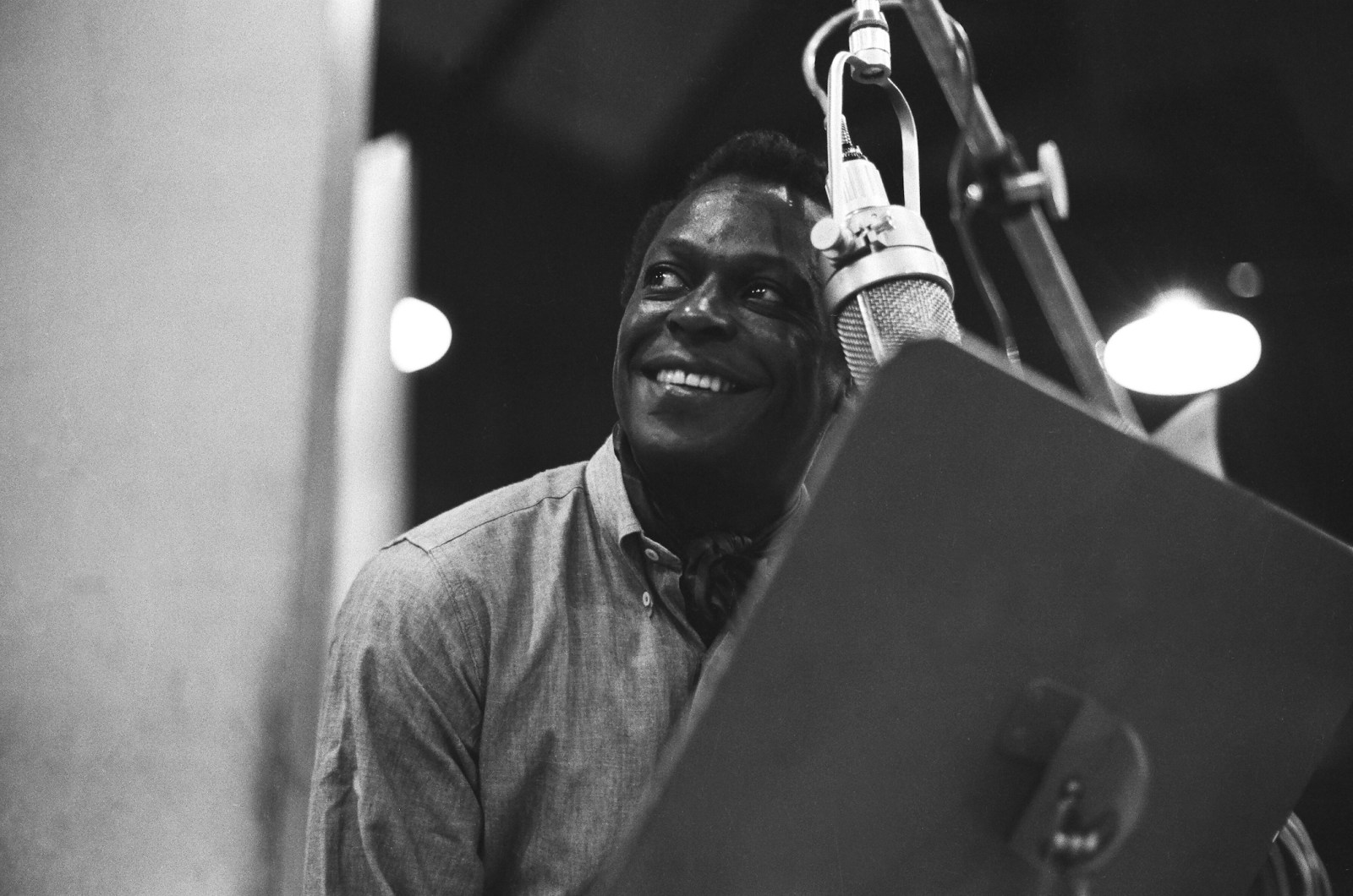
Miles Davis was a cultural icon with an influence that transcended music genres. As we reflect on the world recognizing the centennial of Miles Dewey Davis III, it’s clear that his impact extended beyond jazz.
Introduction to Miles Davis
My first encounter with Miles Davis was through his album Kind of Blue. This record, a hallmark of his career, remains a significant piece in my listening repertoire. Miles’ trumpet on this album resonated with a timeless quality, combining beauty, improvisation, and a serene soundscape.
The Musical Journey
Miles Davis’ creative journey began in East St. Louis, with a musically inclined family. He played a pivotal role in shaping various jazz styles, including bebop, cool jazz, and hard bop. Miles also pioneered jazz fusion, blending elements from rock, funk, and global music. He collaborated with musicians like Charlie Parker, Dizzy Gillespie, Thelonious Monk, and modern artists like Prince.
Beyond Music: Style and Influence
Apart from his musical genius, Miles was a fashion trendsetter. He evolved from the sophisticated attire of the 1950s and 1960s to the expressive styles of the subsequent decades. As a cultural influencer, he exemplified freedom and collaboration, earning respect from diverse communities, including his work with arranger Gil Evans.
The Complex Persona
Miles Davis’ identity encompassed more than artistic brilliance. Born during the tensions of the 1920s, he embodied resilience and spoke his truth, even in the face of adversity. A notable incident involved a violent encounter with New York police, highlighting the racial challenges he faced.
Physically, his distinctive raspy voice resulted from disobeying medical advice after throat surgery. This voice became integral to his persona, reflecting his defiance and artistic individuality.
Legacy and Reflection
During a tribute at Jazz at Lincoln Center, the enduring relevance of Miles’ work was evident. Trumpeter Wynton Marsalis and his orchestra honored Miles by revisiting some of his defining creations. The performance captured the peaceful yet profound essence of his artistry, even decades after his passing.
Reconciling Genius and Contradictions
However, Miles Davis’ legacy is not without its dark aspects. His autobiography with Quincy Troupe mentions his violence towards women, a troubling contradiction to his musical achievements. Author Pearl Cleage’s book Mad at Miles criticizes these actions, highlighting the struggle to separate artistic legacy from personal failings.
Films like Stanley Nelson Jr.’s documentary Miles Davis: Birth of the Cool explore these complexities further. They remind us that recognizing genius also requires confronting the individual’s shortcomings.
Conclusion: Looking Forward
As the nation approaches its 250th anniversary, we reflect on the legacy of figures like Miles Davis. His music, such as Kind of Blue, should inspire not just creativity but personal and social integrity. It’s vital to learn from past contradictions to create a future where art and values align.
Kevin Powell is a poet, humanitarian, and author of 17 books. His work appears in various media outlets, including Newsweek. He lives in New York City and engages with audiences across social media.