
Why does art matter? It’s a question that delves into the essence of human expression, transcending political divides. Art’s significance is rooted in its timeless nature, surpassing the transient conflicts of political discourse.
People often focus on queries like who initiated a particular art style or who owns it. These are concerns tied to our political and technological perspectives. Yet, such debates often lead to dead ends. Technology, as noted by Aldous Huxley, accelerates the execution of superficial tasks. It’s not a true savior. Eating, sleeping, screen time, and economics constitute the physical aspects of life, but they lack deeper meaning. In contrast, art embodies the infinite, the spiritual essence residing in our intuition and emotions.
Art proves its relevance daily by outlasting the contentious political layers overlaid on life. It offers timeless wisdom through recurring themes and evolving ideas from generation to generation. These concepts belong to no single individual. They remind us that our current experiences are part of a larger, enduring tapestry of human existence.
Art matters today more than ever because it outlives the contentious political veneer that is cast over everything.
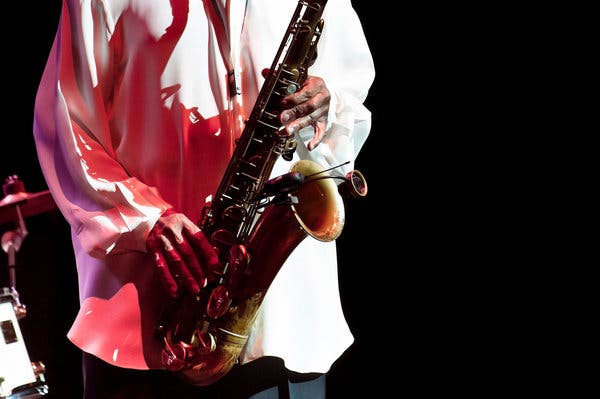
The universe itself presents a vast expanse of unexplored knowledge. Similarly, art inspires exploration and underscores the mysteries beyond our current understanding. Music, while distinct from other art forms, shares this quality. There’s a commonly held belief that no music is truly original. What we perceive as new is often a reimagining of existing sounds, like the spiritual utterances of “om” or “amen.” Even the compositions of Claude Debussy and Johann Sebastian Bach, though unique, stem from pre-existing foundations of musical thought.