
Overview of the 2026 Midterms
The 2026 midterm elections are on course to be historically expensive, with substantial enthusiasm for Democratic candidates and significant contributions from Republican megadonors like Elon Musk. Federal Election Commission data indicates that over $15 billion has been raised since the beginning of 2025, with half of this amount already spent.
Advertising expenses for House and Senate races have surpassed $4 billion, with additional hundreds of million planned for the concluding weeks of the election, according to AdImpact data.
Following their victory in the White House and a narrow majority in Congress in 2024, Republicans now face an electorate discontented with President Trump’s policies amidst an unpopular war in Iran, high fuel costs, and rising prices.
Democratic Senate Momentum
The Democratic Party faces its own challenges in terms of popularity but benefits from favorable polling and fundraising momentum in conservative states like Iowa, Texas, Kansas, and Ohio, as well as competitive House districts.
Despite Democrats having a fundraising advantage at the candidate level, Republican external entities have attempted to outspend Democrats with a trio of super PACs linked to Trump’s MAGA Inc., aiming to portray the Democratic Party as excessively radical for congressional control.
A notable development this election cycle is the number of competitive U.S. Senate races, partly because Democrats have often outraised Republican opponents. From July to September, Democratic or independent candidates outraised Republicans in 27 of the 35 Senate races, showing nearly a 5-to-1 advantage in 13 pivotal contests.
For instance, Texas Democratic Senate nominee James Talarico’s campaign committee reported generating about $60 million in the third quarter, surpassing any other Senate candidate besides Democratic Senator Jon Ossoff of Georgia.
In Kansas, Democrat Adam Hamilton raised nearly $10 million for his primary campaign committee during the last fundraising quarter. This contrasts sharply with the $800,000 collected by incumbent Republican Senator Roger Marshall.
House Fundraising Trends
Next year’s Congress anticipates a historic number of departures, amplified by incumbents at risk of defeat in upcoming elections. The anti-incumbency sentiment observed throughout the primaries persists with fundraising, as 50 sitting House members were outraised in the last quarter, with approximately 90% of them being Republicans.
Of the 17 vulnerable lawmakers on the National Republican Congressional Committee’s “NRCC Patriots” list, only one, Pennsylvania Republican Brian Fitzpatrick, raised more than his opponent.
In contrast, only three out of 27 challengers affiliated with the “MAGA Majority” program were top fundraisers in their districts.
Democrats also saw competitive fundraising efforts with 40 out of 46 “Red to Blue” targeted seats having Democratic candidates raising more funds. This includes deeply Republican districts in Arkansas, Kentucky, and Nevada, where Republican spending surged to defend these seats.
Elon Musk’s Financial Contributions
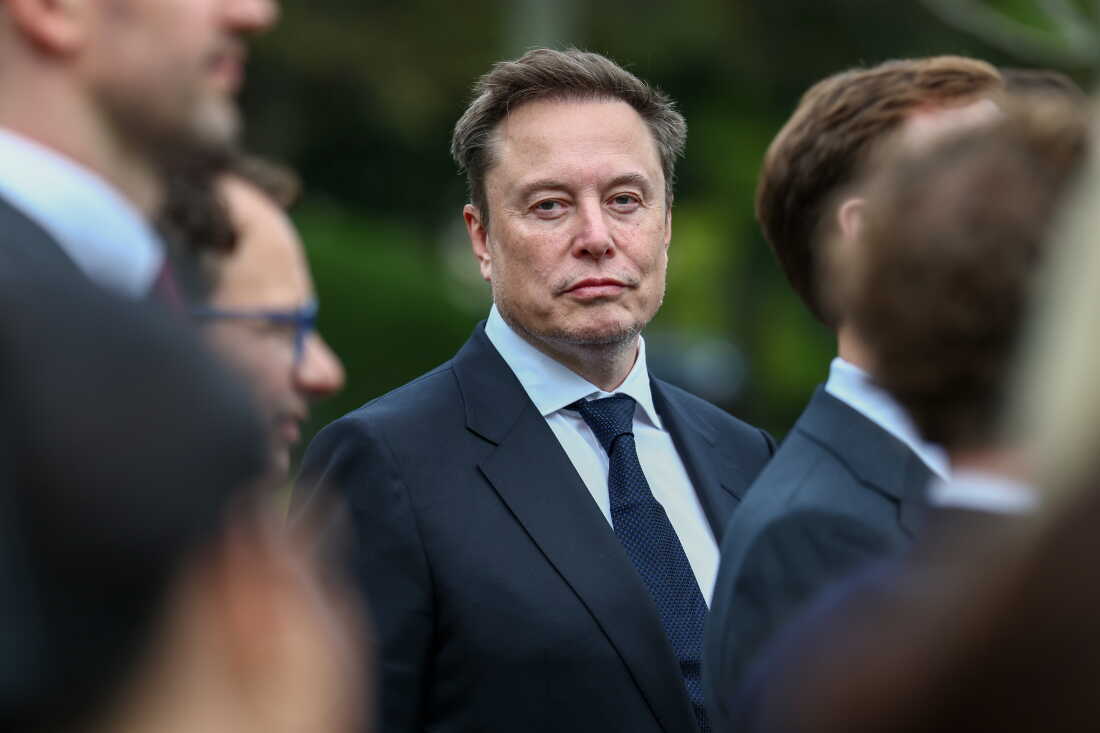
Recently revealed campaign filings illustrate Elon Musk’s substantial financial involvement in the Republican strategy for Congress, especially in the Texas Senate race.
Musk contributed $158 million to the Republican Senate Leadership Fund, $20 million to the Congressional Leadership Fund, $89 million to America PAC, and $10 million to the pro-Ken Paxton Lone Star Liberty PAC.
These contributions have significantly impacted advertising expenditures, with Musk’s donations exceeding the combined funds raised by Talarico and Paxton throughout the entire campaign cycle.
Advertising and Campaign Dynamics
Beyond public endorsements and media releases indicating competitive races, the actual expenditure reveals the broader campaign landscape.
From now until Election Day, at least $700 million in advertising reservations are planned, and this figure is likely to increase. Three-quarters of this budget is allocated to races that are currently toss-ups or lean Republican, based on assessments from the Cook Political Report.
Since the end of September, Republican advertising spending has surged in the Kansas Senate race and other constituencies in states like Mississippi, Missouri, Arizona, Pennsylvania, and Kentucky.
Conversely, Democrats have intensified their advertising efforts in Senate races within states like Ohio, Michigan, Texas, and Alaska and have added new states like Iowa, Kansas, Mississippi, and South Carolina to their efforts.
The House side follows a similar pattern with “Red to Blue” and “Districts In Play” designations promoting increased expenditure in regions such as AR-02, MN-01, MT-01, and KY-06.