
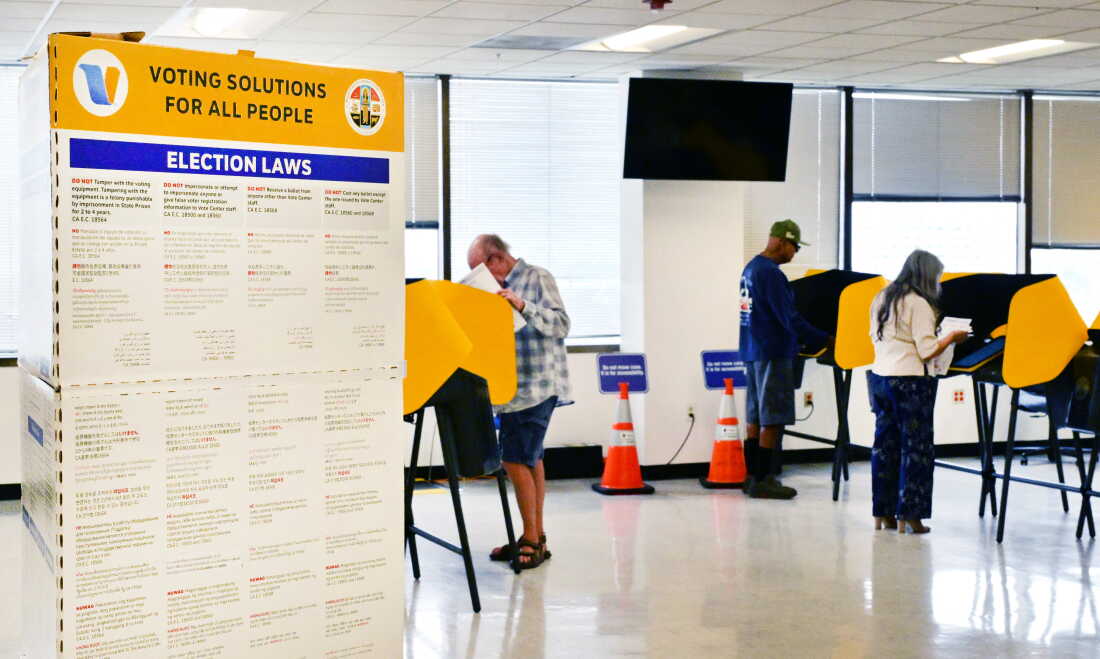
In Norwalk, Calif., voters participated in early voting for California’s primary election on June 1, 2026. The U.S. Department of Justice (DOJ) has charged 28 green card holders in the state for allegedly registering illegally or voting in federal elections. This move escalates the ongoing dispute between the DOJ and California officials regarding the state’s voting system.
The DOJ announced the charges, emphasizing continued scrutiny of election procedures in California as Election Day approaches. An emergency request was also filed by the DOJ to prevent California from processing ballots from individuals they suspect to be noncitizens, although the state has sought clarification from federal authorities on their methods of identification.
This Department of Justice will not look the other way while noncitizens vote in federal elections,”stated Acting Deputy Attorney General Trent McCotter, criticizing California and L.A. County for their handling of voter lists.
Noncitizen voting has not been recognized as a widespread issue in U.S. elections. However, the Trump administration has prioritized the investigation of ineligible voting. The DOJ has been aggressively pursuing new charges, adding to the database of cases associated with noncitizen activity during elections.
Increasing Tensions with California Officials
The situation intensified with a flash drive containing 20,000 names being sent to Los Angeles County, along with a demand for investigation within 48 hours. Local officials declined to comply, resulting in federal litigation. McCotter warned state officials of potential criminal prosecution for processing ballots from identified noncitizens.
President Trump commented via Truth Social, indicating severe penalties for compliance failures. Such actions have raised concerns among election experts and local officials, fearing that the federal approach could disenfranchise eligible voters and diminish confidence in the electoral process.
Impact on Electoral Integrity and Local Concerns
Rick Hasen, a UCLA election law expert, highlighted several risks, including the potential disenfranchisement of voters and the spread of misinformation regarding noncitizen voting.
Across the nation, local election officials are closely monitoring the events in California. Dana Lewis, a Republican county recorder from Arizona, expressed concern about potential federal interventions during close or contested races.
Recent Charges and Voting System Scrutiny
All charged individuals in California are green-card holders, with some having registered decades ago. The DOJ argues their voting behavior was deliberate, challenging claims that some cases result from bureaucratic error.
Since early voting began, the DOJ has charged 113 noncitizens across 20 states. Despite the high-profile nature of such charges, experts like Hasen argue these numbers are negligible compared to the total registered voter base.
Recent public opinion polls show many Americans worry about immigration enforcement at polls, though federal law prohibits armed agents from attending. Such concerns disproportionately affect non-white voters.
California’s Response and Federal Legal Action
California Secretary of State Shirley Weber described the DOJ’s demands as extreme and illegal under state and federal law. Los Angeles County’s counsel echoed this stance, stressing that removing voters before verifying citizenship amounts to disenfranchisement without due process.
The DOJ’s demands for voter roll details go beyond what state laws permit, leading to legal debates over jurisdiction and the upholding of the National Voter Registration Act, which seeks to protect voter rights and accuracy of records.
The DOJ aims to block California from counting ballots linked to noncitizen allegations, arguing that mixing illegal ballots with legitimate votes cannot be undone. Voting and civil rights groups have moved to challenge the DOJ’s actions legally, maintaining that the Constitution grants states the authority to manage elections.