
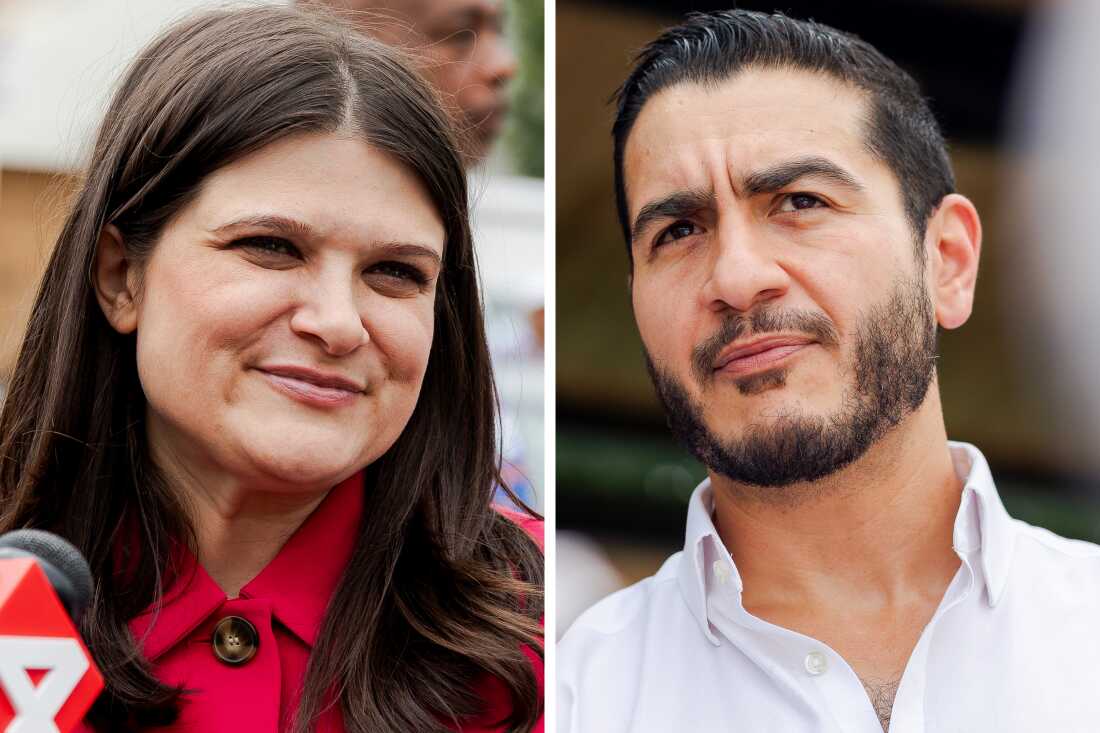
Two candidates, Haley Stevens and Abdul El-Sayed, are in a tight race for the Democratic nomination for the U.S. Senate seat in Michigan. This competition highlights internal debates within the Democratic Party, particularly concerning establishment versus insurgent positions and progressive versus moderate ideologies.
Candidates’ Backgrounds
Abdul El-Sayed, an epidemiologist, is energizing progressives with his support for ‘Medicare for All’ and opposition to corporate influence in politics. His past experiences include directing public health in Detroit and Wayne County, and he previously ran for governor in 2018.
Haley Stevens, a four-term congresswoman, gained recognition by flipping a suburban House district. She is committed to opposing President Trump while advocating for a moderate political approach. At Chrysler during the Great Recession, Stevens was a crucial part of the task force that bailed out Detroit’s automakers.
Political Dynamics
The primary race exemplifies broader Democratic challenges. The party needs to secure four seats for a Senate majority, making the Michigan seat vital. Issues like special interest money play a significant role. AIPAC’s involvement, supporting Stevens and challenging El-Sayed, sparked debates among voters, particularly focusing on remarks about Israel.
Community Perspectives
“It’s about preserving democracy,” says Craig Spangler, expressing the importance of Senate control.
Voter sentiments show a range of concerns from tackling Trump to addressing far-left policies. Influential figures have endorsed each candidate, with Stevens supported by Michigan Governor Gretchen Whitmer and Senator Gary Peters, while El-Sayed gains backing from progressive leaders like Bernie Sanders and Alexandria Ocasio-Cortez.
Challenges and Decisions
The clash between moderate and progressive policies complicates the decision-making for voters. For instance, Stevens supporters argue she can build broader coalitions, while El-Sayed believes his platform will energize younger voters.
Some voters focus on electability, while others prioritize candidates aligned with their personal beliefs. Political pundits view this race as a test for left-leaning candidates in battleground states.
Future Implications
Michigan’s race represents a microcosm of Democratic dilemmas nationwide. As the state prepares to host an early primary in 2028, the outcomes here will likely influence broader party strategies. Local voices stress the urgency for real changes if Democrats gain legislative power.
“People better see some real change,” warns Rutherford from the Macomb County Democrats.
If the Democratic Party fails to deliver significant results by 2028, the impact on future elections could be substantial.