
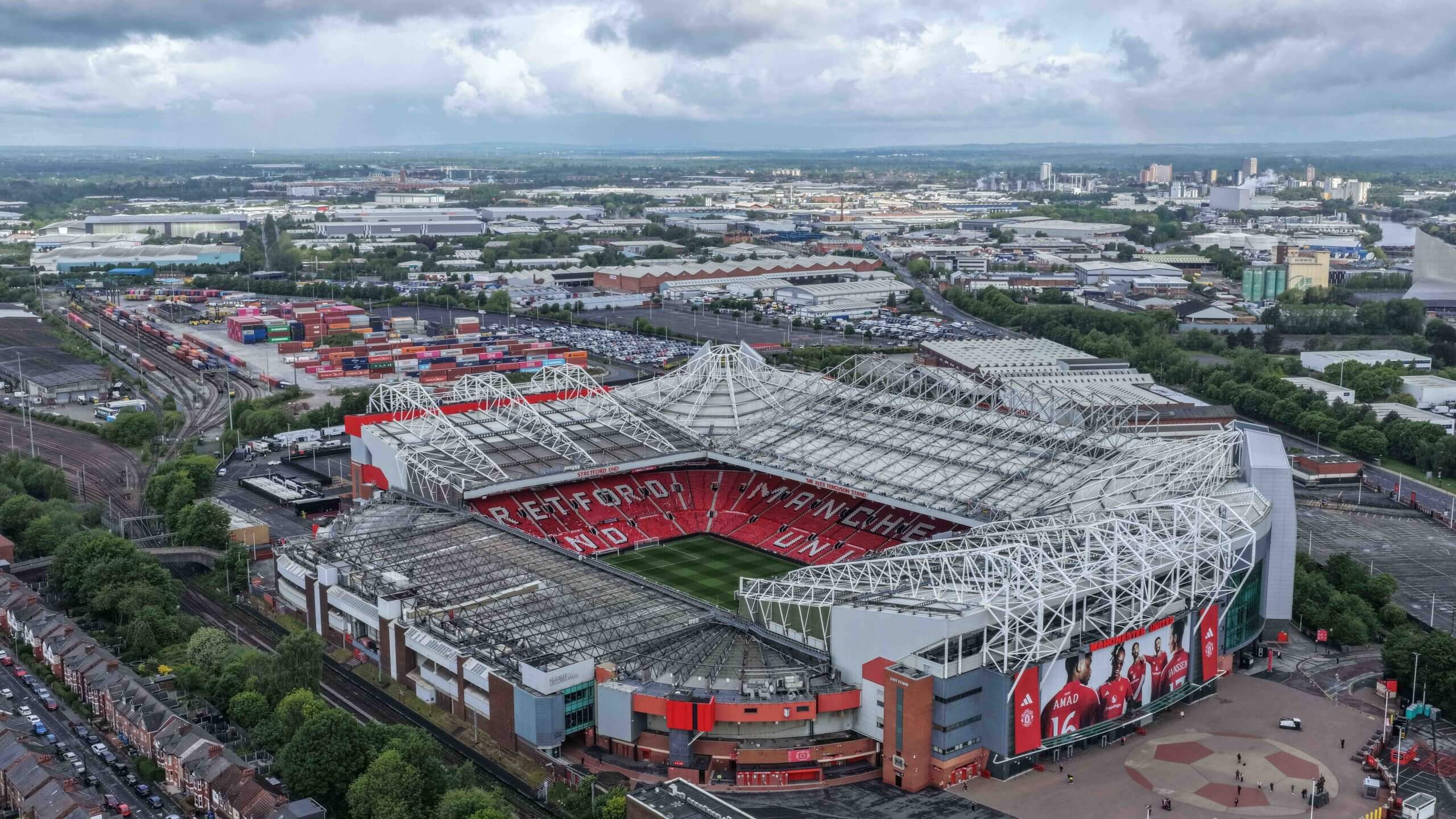
On Sunday, the 199th derby match between Manchester United and Manchester City captures global attention as Old Trafford hosts this thrilling event. This Premier League clash represents more than just football; it epitomizes Manchester’s influence on the UK’s politics, culture, and economy, which has become more pronounced in 2026 than at any point since the Industrial Revolution.
Manchesterism and National Politics
In June, Andy Burnham transitioned from being Greater Manchester’s mayor to the UK prime minister. His political philosophy, termed ‘Manchesterism,’ seeks decentralization by opening No. 10 North in Manchester. This symbolic move aims to redistribute power from London across the country.
During the 2026 men’s World Cup in North America, England fans and players adopted Oasis’s ‘Wonderwall’ as an informal national anthem. In a trip to Ukraine, Burnham highlighted Manchester’s musical heritage by playing a song from The Smiths.
Sports and Infrastructure Developments
Manchester aims to bid for hosting the Olympic Games in the north of England by the 2040s, challenging London’s monopoly on such events. Manchester is integral to Burnham’s aspiration to bring the men’s World Cup to Britain for the first time since 1966.
Significant infrastructure developments are underway. City’s Etihad Stadium will expand to a 60,000 capacity. Meanwhile, United has acquired land to build a new 100,000-seat stadium, referred to as ‘Wembley of the North’ by co-owner Sir Jim Ratcliffe. The Etihad is set to host five games in the 2028 men’s European Championship, and United’s new stadium aims to host the final for the Women’s World Cup in 2035.
Both clubs recently participated in the Champions League matches with City securing a 2-0 victory against Porto and United beating Sabah 4-0 at Old Trafford.
The Economic Dynamism
Manchester showcases an optimistic climb, projecting possibility and economic growth. The city boasts a 3.1% annual growth rate, surpassing the national figure. Its vibrant city center, now home to over 100,000 residents, epitomizes this shift from a sparse population in the 1990s.
Manchester’s transformation includes a potential to become Europe’s fourth-tallest city by 2030, with skyscrapers nicknamed ‘Manc-hattan.’ Migration trends show more people moving from London to Manchester.
Jonathan Reynolds, secretary of state for business, innovation, science and trade, underscores Manchester’s forward-looking attitude. He observes positivity and a sense of action, absent in other uncertain regions.
Cultural Influence and Global Engagement
Manchester’s cultural prowess expands globally, from the Northern Quarter hosting Chanel’s Metiers D’Art Show to the Brit Awards relocating from London and NBA matches occurring alongside Paris and Berlin in Manchester.
Bev Craig, Burnham’s successor as mayor, states that international venues now seek partnerships with Manchester, highlighting its global connection with cities like Barcelona, Berlin, Toronto, and Vancouver.
Football as a Catalyst
Manchester’s renaissance is undeniably tied to football. Formerly fueled by United’s global presence and musicians, the city’s resurgence accelerated post-2008 when Sheikh Mansour acquired City, integrating politics and economics.
Investment in football opens endless possibilities, with City and United spearheading urban regeneration. Stadiums function year-round, optimizing revenue with this sports-business model.
Challenges and Controversies
Yet challenges persist in resolving rough sleeping issues, as Burnham’s pledges are met with rising figures. Controversy surrounds City’s Abu Dhabi ownership, with pending allegations over 115 financial breaches.
Academic critiques accompany debates over the deal allowing Abu Dhabi’s supposed disproportionate benefits. While some argue this departs from traditional city-building, proponents affirm benefits outweigh drawbacks.
Long-term Vision and Future Potential
Despite criticisms, investments contribute positively to Manchester’s local areas, with social housing and community projects reshaping districts like New Islington.
The city now experiences global recognition, reflective in partnerships and events drawn to Manchester’s appeal.
Manchester’s ambition and structured approach anticipate Olympic bidding, heralding a new chapter in globalization through a unique synthesis of culture, politics, sports, and economics.