
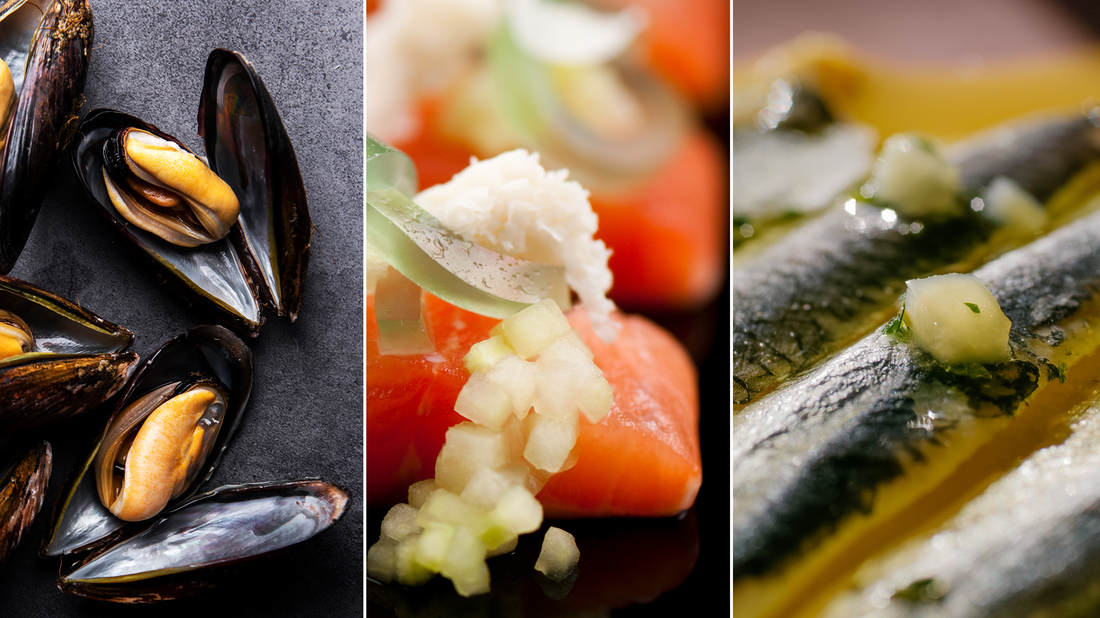
Seafood like mussels from the U.S., Arctic char from Canada, and anchovies from the U.S. are often sustainable options. As demand for seafood grows, overfishing threatens species such as the Atlantic cod, and harmful practices risk the survival of the Maui dolphin.
Consumers face challenges in identifying sustainable seafood. Jennifer Dianto Kemmerly from the Monterey Bay Aquarium highlights the importance of understanding how fish are caught and their origin.
Key Questions to Ask
When choosing seafood, ask:
- Is this fish pole or line-caught? This indicates fewer unintended captures, known as bycatch, which can harm marine life.
- Is this fish caught in the U.S.? U.S. fisheries adhere to strict regulations, making them often sustainable.
Research Resources
If direct questioning isn’t possible, utilize online tools like Seafood Watch, NOAA’s FishWatch, or the Environmental Defense Fund’s Seafood Selector. For instance, U.S. wild-caught pink shrimp is highlighted as sustainable under regulations.
Comparative research helps identify seafood to avoid, such as Argentine red shrimp due to bycatch concerns, while guiding towards safer choices.
Navigating Labels
Be cautious with labels like “wild caught” or “farm raised.” These terms alone don’t guarantee sustainability. Assess the environmental impact of the fish instead.
Trying Alternative Fish
Explore beyond popular choices like salmon, tuna, and shrimp. Options like farmed mussels and Arctic char are nutritious and have minimal environmental impact.
Discovering new selections like the buttery sablefish can meet dietary preferences while preventing overdependence on certain species.