
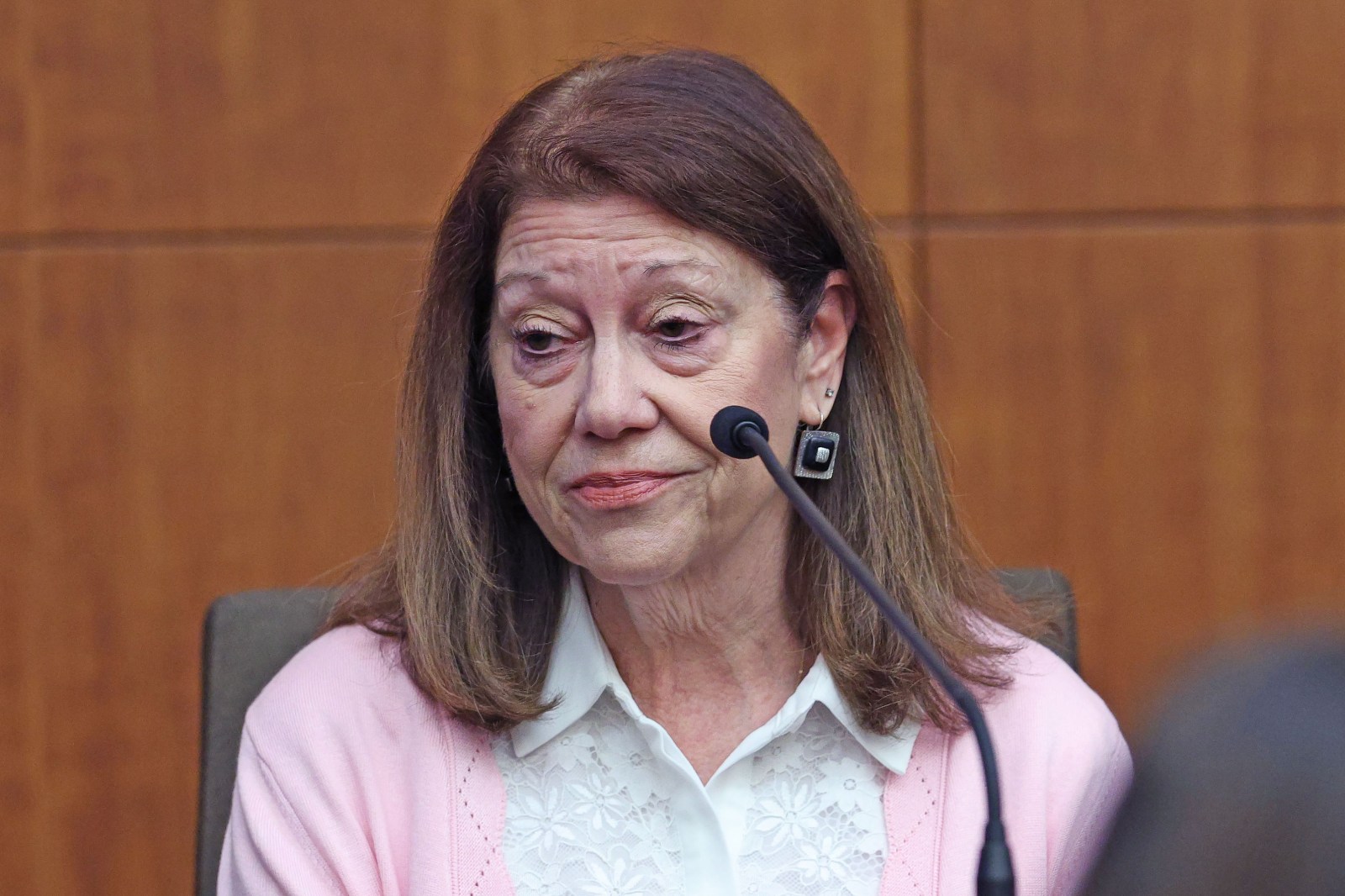
After an extensive three-week period with over 70 witnesses, prosecutors have concluded their case in the Lindsay Clancy murder trial. This case is emotionally intense and has now entered a pivotal phase. The final witness for the prosecution was digital-forensics expert Ian Whiffin.
Throughout the prosecution’s case, there was testimony from a diverse group including Clancy’s husband, first responders, medical examiners, friends, colleagues, and mental-health experts. As the prosecution rests, the defense, led by attorney Kevin Reddington, has started to present its argument.
The defense does not dispute that Lindsay Clancy took the lives of her three children: Cora, Dawson, and Callan. Instead, they assert that Lindsay was suffering from severe mental illnesses like postpartum psychosis and bipolar disorder, arguing she should not face criminal liability.
Monday’s testimony provided key evidence for the defense, featuring insights from Clancy’s mother and sister. However, the prosecution also highlighted some challenges to the defense’s position.
Lindsay’s Mother and Her Critical Testimony
Lindsay’s mother, Paula Musgrove, provided significant testimony. She recalled an instance when Lindsay nervously confessed, “I just have to tell you guys something,” and admitted to having thoughts of harming her children. While Lindsay did not express intentions to act on these thoughts, this disclosure is crucial for the defense. It indicates potential signs of a deteriorating mental state.
The jury could see this as an early indication of a worsening psychiatric condition. Prosecutors, however, argue Lindsay made a clear distinction between her thoughts and intentions to harm.
Insights from Lindsay’s Sister
Lindsay’s sister, Allison Ozga, described witnessing a marked decline in Lindsay’s mental health. Around Thanksgiving 2022, Ozga noticed Lindsay’s changed demeanor. She explained that Lindsay experienced daily suicidal thoughts for about a month starting November 2022.
Although aware of Lindsay’s feelings, Ozga testified she did not consider Lindsay a threat to herself or her children. She noted periods of apparent improvement during treatment at McLean, which prosecutors may use to argue Lindsay was aware and communicative. The defense can counter that brief improvement phases do not preclude severe mental illness.
Digital Evidence and Its Impact
Cellebrite forensic expert Ian Whiffin presented Lindsay’s digital search history, which included queries about postpartum psychosis days before the killings. This evidence is crucial as it supports the defense’s position that Lindsay was experiencing severe psychiatric disorder. The prosecution may argue it signifies deliberate research before the crime.
Whiffin also analyzed health data from Lindsay’s Apple Watch, showing activity during the critical hours on January 24, 2023. Although this creates a detailed timeline, inconsistencies remain, leaving questions open for the defense’s exploration.
Struggles with Medication
Musgrove recounted Lindsay’s struggles with psychiatric medication, quoting Lindsay as saying it was “destroying my mind.” The defense plans to argue these issues, along with bipolar disorder and postpartum psychosis, led to her crisis.
Musgrove shared messages Lindsay sent in October 2022, expressing serious concerns about her mental health, illustrating a decline well before the incident.
Prosecutors Question Parental Judgment
During cross-examination, prosecutors pressed Musgrove on her belief about the children’s safety despite Lindsay’s disturbing thoughts. Musgrove maintained she did not see her daughter as an immediate threat because she was present with the family.
This exchange reinforces the prosecution’s argument: even those closest to Lindsay did not perceive an imminent danger, a testimony valuable to jurors.
External Support and Community Response
Outside the courtroom, a GoFundMe campaign aims to support Lindsay’s parents, who have faced financial strain supporting their daughter throughout the trial. They have raised significant funds towards their goal, highlighting the community’s involvement.
Next Steps
The defense will continue presenting its case, calling upon medical and mental-health experts to discuss Lindsay’s condition. The prosecution may follow with rebuttal witnesses.
Closing arguments will precede jury deliberations. A guilty verdict could mean life imprisonment without parole for Lindsay. However, if found not criminally responsible, she may be committed to a psychiatric facility.