
Allegations of Legal Violations
President Donald Trump faces accusations of breaching federal law for proposing cash gifts to White House aides and pledging $5,000 checks to Americans if Republicans retain congressional control. Legal experts are scrutinizing these actions under Title 18 of the U.S. Code.
Cash Gifts to White House Aides
The Washington Post reported that Trump gave holiday cash gifts totaling $45,000 to Natalie Harp and two other aides. These payments potentially violate 18 U.S.C. § 209, which forbids executive branch employees from receiving salary supplements from outside sources. Richard Painter, former White House ethics lawyer, highlighted the potential legal issues, comparing such gifts to unauthorized salary increases.
A White House official defended the gifts, claiming they were unrelated to government duties and thus acceptable. They emphasized that Trump has a history of giving holiday gifts to those within his circle, both privately and in government roles.
Pledge of $5,000 Checks
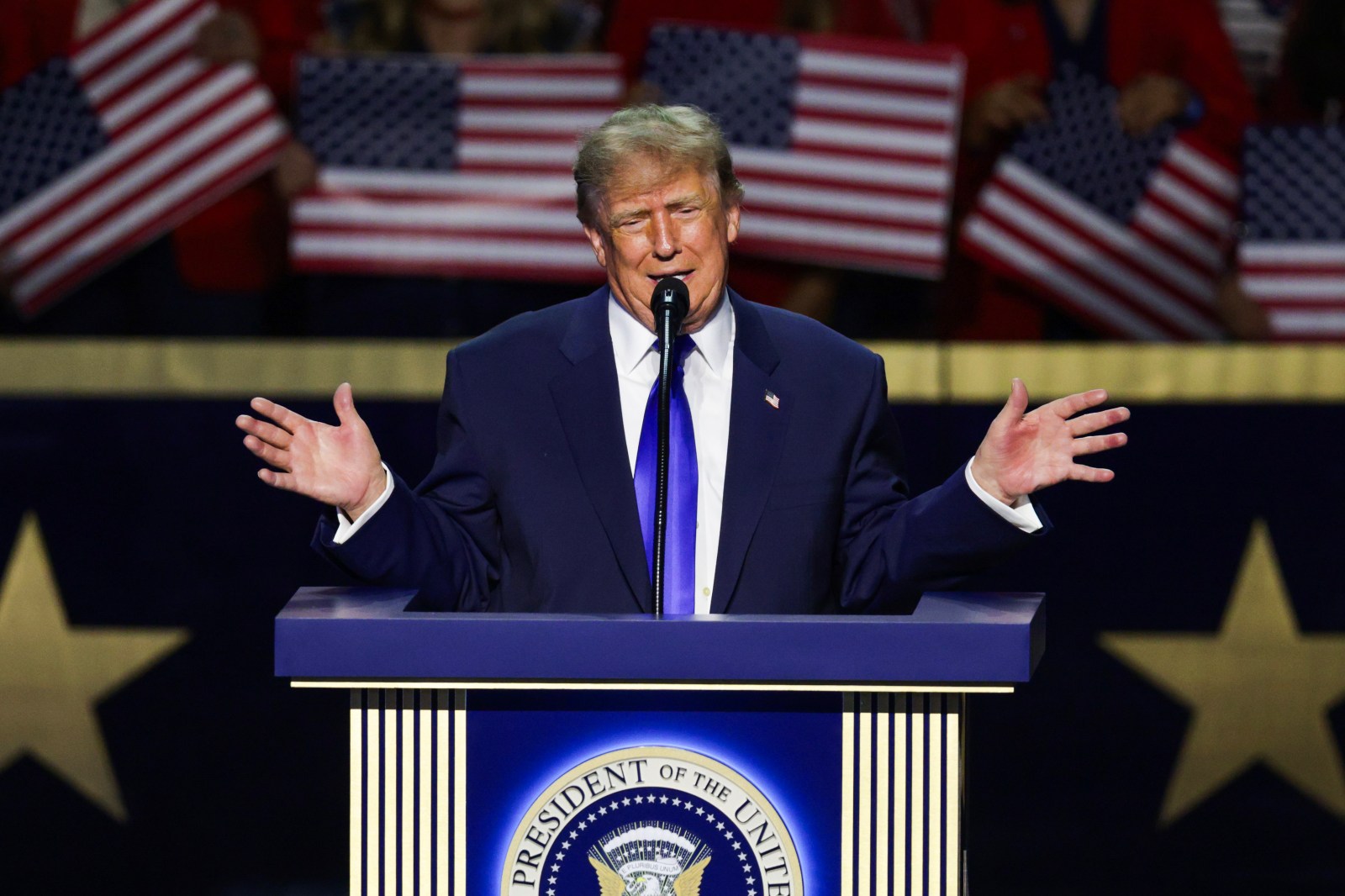
During a GOP midterm convention, Trump promised $5,000 to every American adult if Republicans maintain control of Congress. This proposal raised concerns about the potential violation of 18 U.S.C. § 597, which prohibits spending to influence voting behavior. Painter emphasized that such a promise could contravene legal standards, while others argued it represents a broad campaign pledge.
New Mexico attorney John Day argued that the checks are a campaign promise, noting it as a blanket offer to all citizens. However, opposition members like California Governor Gavin Newsom criticized the pledge as a vote-buying tactic.
The situation presents significant legal and ethical questions as the political landscape develops.