
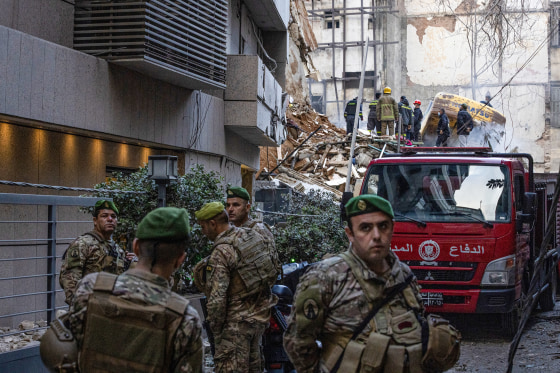
Lebanon in the 1970s and ’80s was described by Lebanese journalist Kim Ghattas as a nation where a weak state presented both advantages and challenges. During that period, Lebanese soldiers would often respond to incidents such as Israeli attacks in Beirut, assisting rescue workers in finding individuals buried beneath debris.
Fast forward to today, and Lebanon finds itself once more at a critical juncture. Since the escalation of the U.S.-Israeli war on Iran earlier in February 2026, triggered by the death of Iranian Supreme Leader Ayatollah Ali Khamenei, tensions have mounted. Hezbollah responded by firing rockets at Israel, thereby intensifying the conflict and opening another front.
Lebanon’s political and economic crisis has become more severe, exacerbated by its unstable political landscape and economic challenges, alongside a fragile security situation. Despite these difficulties, there has been a glimmer of hope. In April 2026, U.S.-facilitated discussions between Israel and the Lebanese government marked the first such engagement in decades and presented a potential path toward peace.