
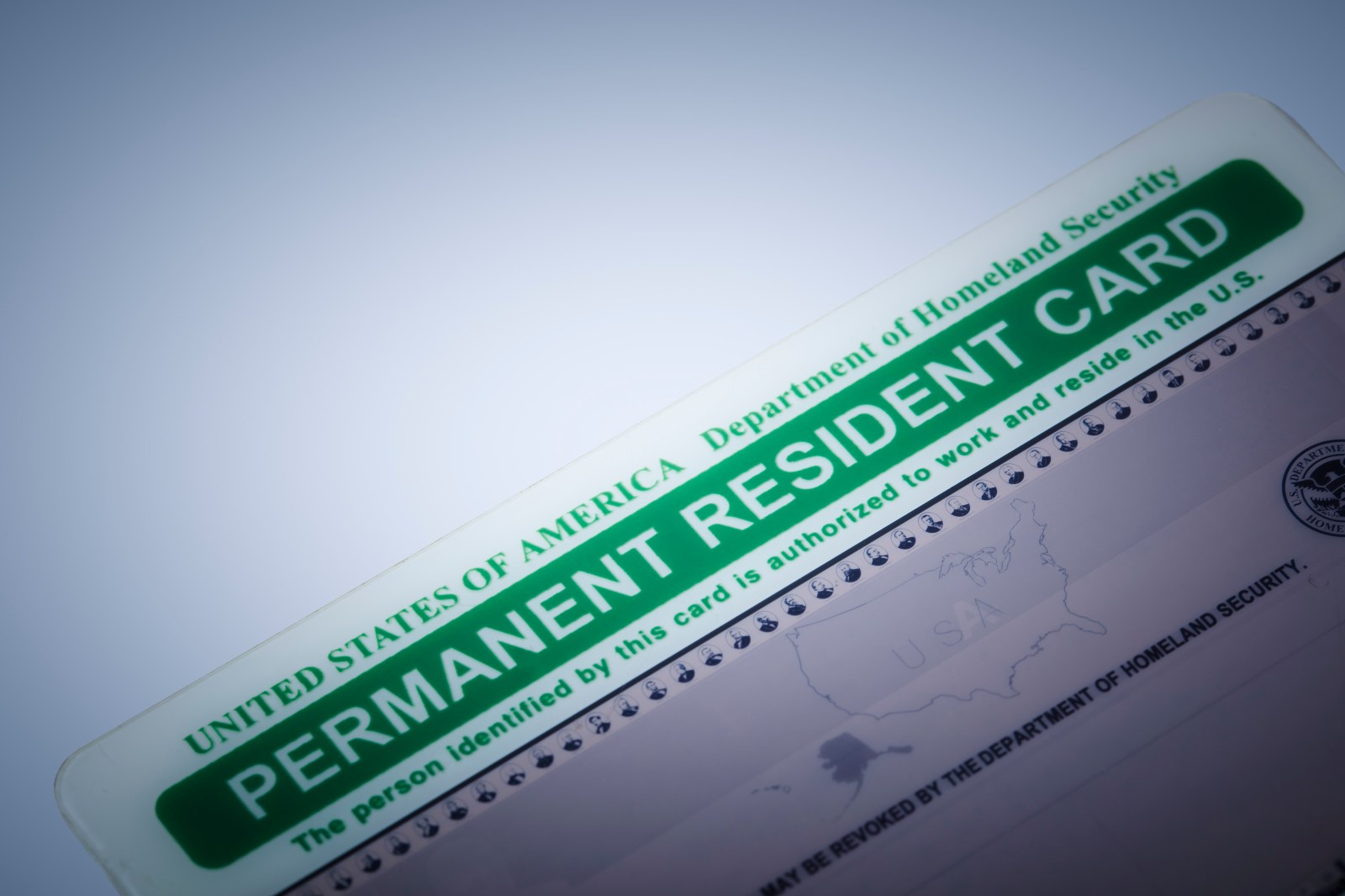
The Trump administration is facing a class action lawsuit aimed at halting policies affecting thousands of refugees’ green card applications. These policies have frozen applications and led to renewed scrutiny of original refugee claims.
The lawsuit was filed in Massachusetts’ U.S. District Court by six refugee organizations and four individual refugees. It challenges three U.S. Department of Homeland Security (DHS) and U.S. Citizenship and Immigration Services (USCIS) policies. These include:
- An indefinite hold on certain refugees’ applications for lawful permanent residence.
- A program to re-evaluate refugees admitted during the Biden administration.
- A new rule reducing the response time for refugees facing termination of their refugee status from 30 days to 10.
The plaintiffs argue these policies violate federal immigration law, administrative law, and constitutional due-process protections.
Plaintiffs’ Objectives
The lawsuit seeks to block the three policies during the case and ultimately have them overturned. The plaintiffs also aim for the certification of a nationwide class. This class includes people admitted as refugees who had not adjusted to lawful permanent resident status by October 14, 2026, or later. The group reportedly numbers in the tens of thousands. The class is yet to be certified.
The individual plaintiffs consist of:
- Lida A., a 27-year-old Afghan refugee in Massachusetts.
- Abdi B., a 39-year-old Ethiopian refugee in Minnesota.
- Julio C., a 26-year-old Colombian refugee in Texas dependent on Medicaid for HIV medication.
- Firas D., a 23-year-old Iraqi refugee in Texas previously arrested for his sexual orientation.
All have applied for permanent residence, awaiting decisions.
Impact of USCIS Policy Changes
A USCIS policy memorandum issued on November 21, 2025, is also contested. It placed refugee green card applications on hold for those admitted between January 20, 2021, and February 20, 2025. The memo called for further review and possible re-interviews of these individuals, citing national security and public safety concerns.
Plaintiffs argue the agency hasn’t substantiated broader concerns about these previously vetted refugees.
According to Skye Perryman, CEO of Democracy Forward, the policies trap refugees in legal limbo, jeopardizing their path to permanent residency and protection. She describes the measures as inhumane and unlawful.
US Refugee Policy Modifications
DHS estimates show around 113,000 refugees have pending adjustment applications. Court filings indicate USCIS processed only 121 refugee adjustment applications from January to March in a recent year, compared to 17,569 during the same period in 2025. Federal law mandates at least a one-year physical presence for a refugee to qualify for lawful permanent residence.
The plaintiffs argue current practices exceed the government’s authority, citing inappropriate indefinite holds and re-vettings.
Operation PARRIS and Recent DHS Actions
USCIS launched Operation PARRIS in Minnesota, targeting 5,600 refugees without green cards for new background checks. Some arrests and transports to Texas occurred for re-evaluation of original refugee claims.
A Minnesota judge blocked detention due to unadjusted status, and a Massachusetts federal court later stayed a nationwide detention policy as litigation continued.
On October 14, DHS issued a rule cutting response time to 10 days for a Notice of Intent to Terminate refugee status. DHS asserts this change restores system integrity and mitigates risks. The rule took immediate effect, with a 30-day public comment period announced.
DHS estimates 186,000 refugee cases from fiscal 2015 to 2025 may be affected by the rule.
The plaintiffs note a recent 10-day termination notice served demonstrates potential time constraints for legal counsel and document preparations. They report USCIS processing time for a Freedom of Information Act request averaged 27 days in a previous year.