
Tensions Rise in Trial as Defense Calls Unusual Witness
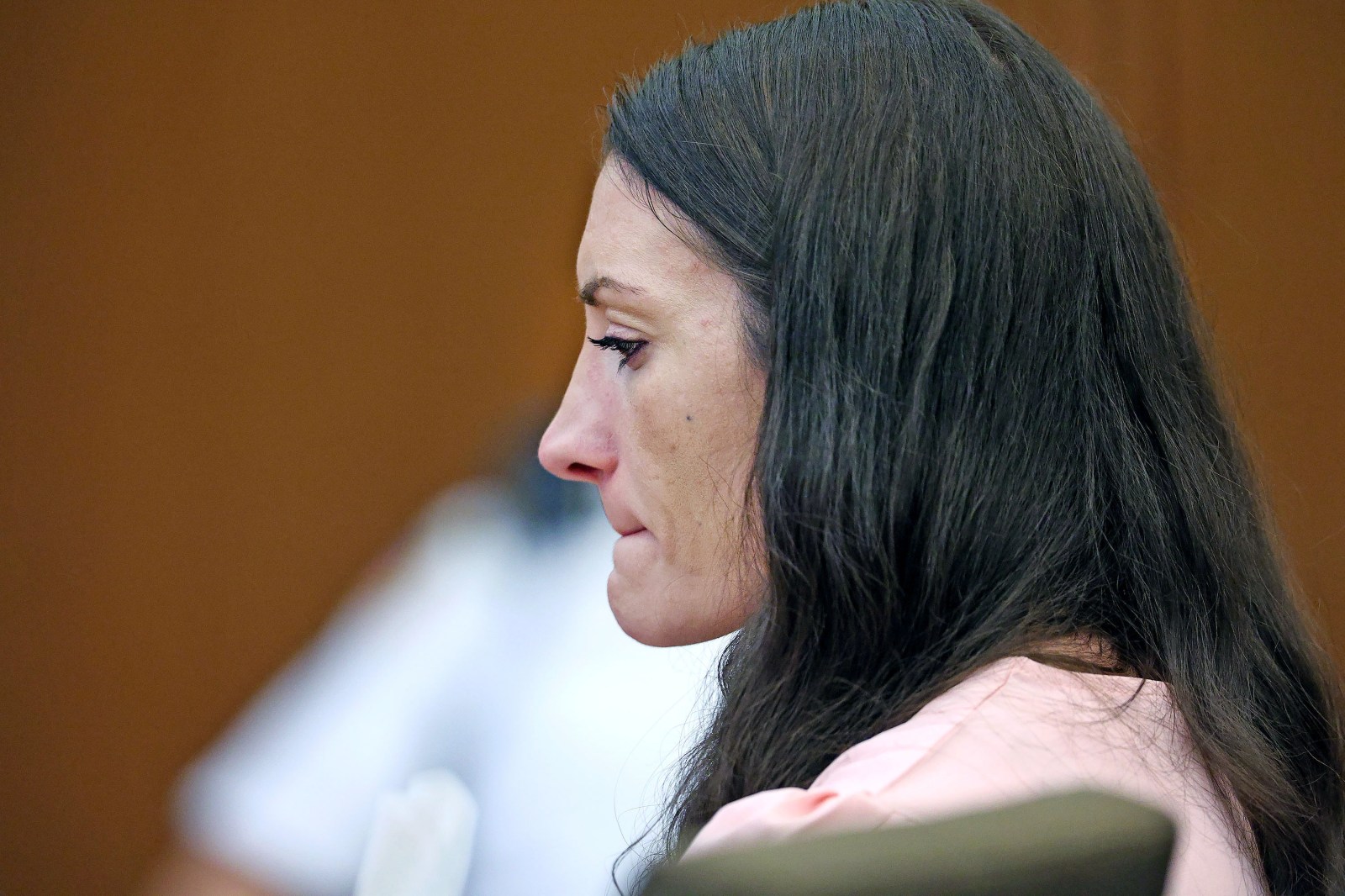
The trial of Lindsay Clancy intensified as new testimonies revealed the mother’s declining mental health. The courtroom became the scene of a sharp contrast between prosecutors and defense over Clancy’s mental state before she killed her children. As the trial entered its third week, the evidence presented painted a complex picture of Clancy’s condition.
Insights from Psychiatric Nurse Practitioner Jollotta
Nurse practitioner Jollotta observed possible bipolar disorder signs in Clancy.
Rebecca Jollotta, a psychiatric nurse practitioner, provided pivotal testimony regarding Clancy’s mental health. She identified symptoms that suggested bipolar disorder and a “mixed manic state.” Jollotta noted signs like pressured speech, racing thoughts, and emotional numbness. She advised Clancy to increase her Seroquel dose and join a specialized hospitalization program multiple times.
This testimony aligns with the defense’s claim that Clancy was experiencing a severe psychiatric condition not adequately treated. Jollotta had previously discussed bipolar disorder with Clancy and her husband, who rejected the notion. The defense argues these symptoms indicated a worsening condition.
Prosecutors focus on whether Clancy understood her actions on January 24, 2023, even if her treatment wasn’t perfect.
Jollotta’s Take on Clancy’s Mental State
On a critical note for the prosecution, Jollotta clarified during cross-examination that she did not believe Clancy suffered from postpartum psychosis. Her clinical assessments showed linear thinking and no hallucinations. She acknowledged that postpartum psychosis doesn’t always involve hearing voices but maintained she saw no evidence of it in Clancy during treatment.
Symbolic Evidence: “Good Moms Have Scary Thoughts”
The book “Good Moms Have Scary Thoughts” was recommended by Jollotta and later found at Clancy’s home. It highlights common fears among new mothers, often used as evidence of Clancy’s awareness of her mental state. Prosecutors argue that the book indicates Clancy’s ability to voice her emotions, showing awareness rather than psychosis.
Clancy’s Messages Reveal Psychological Struggles
MyChart messages between Clancy and Jollotta exposed Clancy’s deteriorating mental health. Clancy expressed fears of Ativan dependency and worries over medication side effects. She reported numbness and intrusive thoughts. These communications support the defense’s argument that Clancy’s condition was not fully addressed.
In response, prosecutors pointed to Clancy’s proactive communication and medication discussions, asserting she was engaged in her treatment plan and not in a psychotic state.
Defense Attempts Unusual Witness Testimony
A dramatic courtroom moment saw Defense Attorney Reddington trying to add Emily Thorndike, a former therapist at McLean Hospital, to their witness list. Thorndike criticized the portrayal of McLean as a top-tier institution, suggesting poor conditions. Despite her departure from McLean before Clancy’s stay, Reddington hoped her testimony would question the hospital’s credibility. The judge hesitated but considered limited questioning.
Additional Revelations
The day’s proceedings offered new insights into Clancy’s care and medication struggles, adding weight to both sides’ arguments. The defense highlights fragmented care and medication issues, while prosecutors emphasize Clancy’s active involvement in treatment decisions.
Testimony revealed that attempts by her husband to fast-track her admission to McLean were denied, thus showcasing the rapid decline of Clancy’s mental health.
Future Developments
The trial proceeds with more expert testimonies. The defense continues to argue Clancy was overmedicated and misdiagnosed, while prosecutors focus on her cognition during the alleged events. The jury will decide whether Clancy possessed legal responsibility or lacked understanding due to mental illness.