
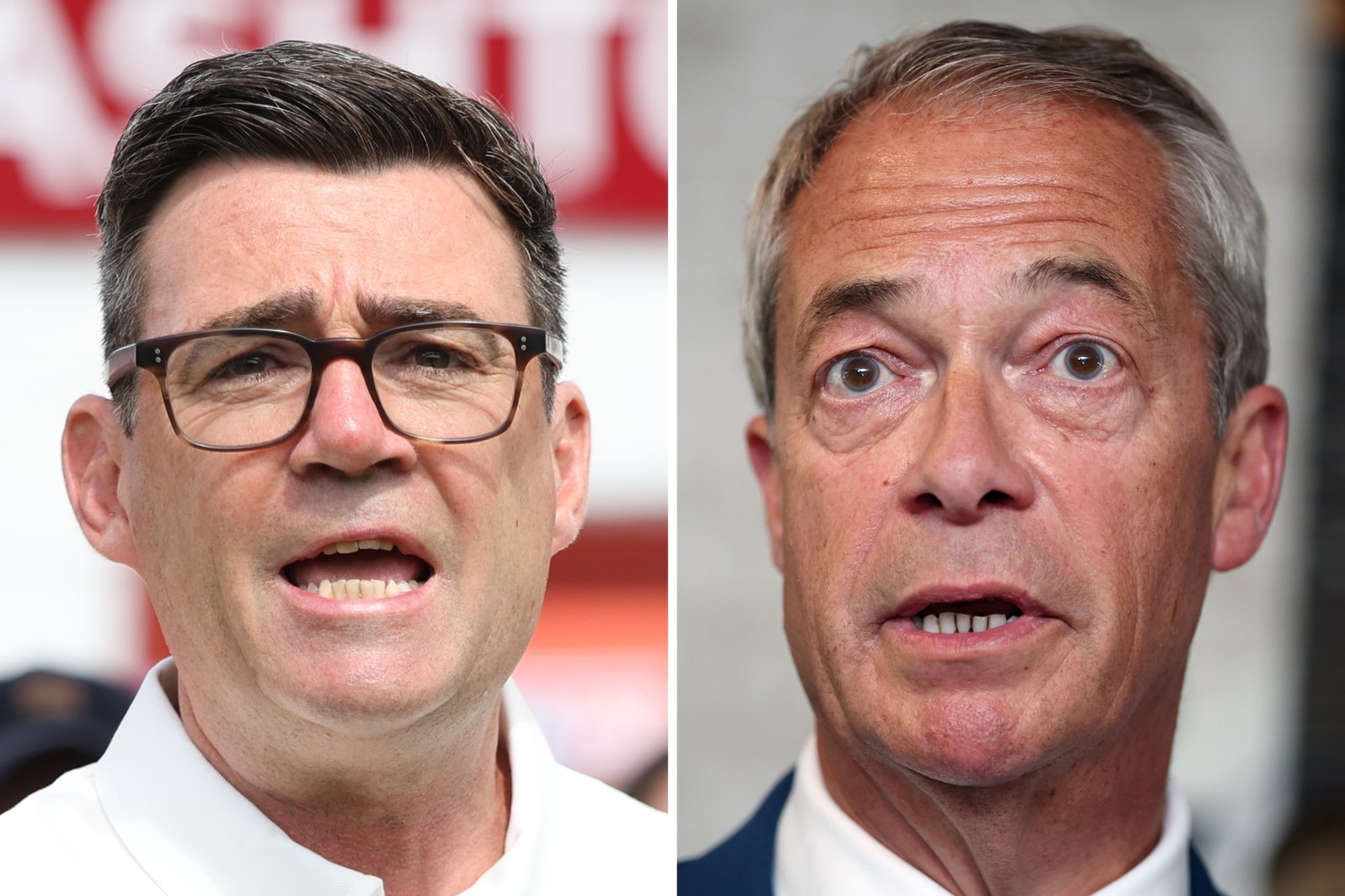
Keir Starmer’s resignation has intensified Britain’s political crisis, launching a Labour leadership contest. After less than two years following Labour’s landslide victory, Starmer will resign as party leader but remain in Downing Street until Labour selects a successor. There is no need for a general election, as Britain’s prime minister is not directly elected, and Labour’s large majority in the Commons allows the new leader to take office without new votes.
Beneath this apparent stability lies a deeper instability. The incoming prime minister will face a party losing ground to Reform UK, a constrained economy, and a foreign-policy framework influenced by Europe, Trump’s Washington, and Britain’s defense commitments. Despite governing authority, Labour seems less dominant, with Nigel Farage’s Reform party leading many polls and gaining traction in local governments. Conservatism pulls to the right, while the Liberal Democrats and Greens attract anti-Conservative, pro-European, and younger voters from Labour.
Potential Successors: Who Will Replace Keir Starmer?
Andy Burnham, the Greater Manchester mayor and a former Cabinet minister, stands as the apparent favorite to replace Starmer. Burnham, more emotionally connected with northern England, is adept at discussing class, public services, and patriotism. Yet, taking the helm comes with high pressure. Farage shapes crucial policies on migration, net zero, crime, and Brexit. Michel Barnier’s recent remarks could renew debate over closer ties to Europe, proposing a scenario where a returning UK keeps certain opt-outs. Trump’s Washington will care less about Labour’s in-house dynamics but will focus on Britain’s commitment to NATO, Ukraine, AUKUS, intelligence sharing, and defense spending.
Starmer’s exit signifies more than personal failure, merging three critical queries: can Labour retain both metropolitan progressives and working-class Brexit supporters? Can Britain restore economic links with Europe without triggering Brexit tensions? Can it uphold its status as a key U.S. ally under fiscal and military duress?
Scenarios Based on Political Likelihood
A Reform Government
Likelihood: Low
A Reform-led government within the next year could happen, but only with an early election and Reform converting its polling lead into seats, acquiring either a clear majority or enough backing from Conservatives or independents. Current projections label Reform the largest party, not necessarily a majority holder.
The likely form would be a minority Government, involving a confidence-and-supply arrangement with Conservatives, or a looser right-wing coalition, with too many Conservatives to overlook but too weak to lead.
If Reform governs, rapid shifts are expected. EU relations might stall or reverse, with youth mobility becoming contentious and regulatory alignment with Brussels seen as a betrayal of Brexit. Key issues would be immigration, asylum policies, ECHR, net zero, and public-sector reforms.
Warm rhetoric might flow between Downing Street and Washington if Trump returns to power, yet U.S. demands persist: heightened defense spending, a firm stand on NATO, contributions to Ukraine, and AUKUS stability.
Bottom line: A Reform-led government is dubious within the 12-month timeframe but is a conceivable scenario, not mere fantasy.
Snap Election Produces Reform-Led Hung Parliament
Likelihood: Low to moderate
Here, an election emerges due to heightened political risk, driven by factors such as Burnham seeking a mandate or severe Labour fragmentation. Yet, Labour’s Commons majority discourages premature elections, legally secure until 2029.
If elections occurred shortly, Reform might rise as the largest party. PollCheck’s model predicts Reform would claim 273 seats, Labour 128, Liberal Democrats 77, and Conservatives 72 in Great Britain—amounting to a seismic shift, though not a majority for Reform.
Britain’s first-past-the-post electoral system has fluctuating benefits. In 2024, Labour achieved a vast majority on 33.7% of the vote. By 2026 or 2027, a fragmented electorate could help Reform tally substantial seats. But Electoral Calculus implies anti-Reform tactical voting may impede Reform by around 60 seats.
The dynamic in Makerfield revealed contrasts: Reform’s strong challenge in Labour territory versus anti-Reform voters rallying to the most suitable opposing candidate.
Bottom line: Labour’s rational choice avoids elections unless Burnham achieves significant momentum, but a hung parliament led by Reform remains plausible.
The Economy Turns Against Burnham
Likelihood: Moderate
Here, economic factors—not parliamentary shifts—pressure Burnham’s government.
Warning signs persist with inflation unyielding and borrowing escalating. Data from the Bank of England and economic forecasts emphasize risk, yet consumer price index (CPI) rate stays at 2.8%, unchanged from April. Services inflation increased from 3.2% to 3.7%, with fiscal dilemmas looming on public borrowing.
Concerns center on defense and financial commitments, as debt interest soars and high public-sector expenses impact Burnham’s plans.
NATO’s pledge for 5% GDP allocation by 2035 remains particularly tense, alongside AUKUS enhancements, given constraints in debt interest, sluggish growth, and rising public demands.
Washington will examine adherence to promises on core defense spending, submarine acquisition under AUKUS, and the nuclear warhead project amid economic challenges.
Bottom line: Economic improvement may mask challenges politically, risking Burnham’s position due to fiscal limitations.
Burnham Survives—But Reform Sets the Agenda
Likelihood: High
This scenario explores Burnham’s survival yet with Reform’s dominance in setting the agenda.
Local-election achievements cemented Reform’s position solidly beyond symbolism, gaining councilors and control of councils, amid Labour’s losses.
Immigration impacts Labour’s position critically, with mixed statistics confounding supporters and opponents. Net migration dipped, but personal and small boat arrivals remain significant visual cues.
Reform capitalizes on perceived border failure, and Burnham operates within their sphere, adapting economic patriotism narratives and addressing resilience and border control concerns.
EU relations progress cautiously. Barnier’s comments portray potential for UK reintegration preserving key opt-outs, sans extensive free movement agreements, complicating Labour’s stance.
Bottom line: Burnham retains command, yet Farage reshapes influences politically.
Burnham Survives and Stabilizes Labour—But Does Not Transform Britain
Likelihood: Highest
Burnham’s tenure marks stabilization without drastic change for Britain.
Recent electoral victories and improved public favor over Starmer create an environment where Labour regains ground progressively.
Recovery manifests as broader voter demographics reconcile, encompassing progressive roots and northern voter appeal previously susceptible to Reform.
On broader policy matters, UK-EU relations proceed tactically positive, without total rejoining aspirations. Practical deals on youth exchanges, agricultural standards, and emissions form notable steps toward EU collaboration.
U.S. relations remain robust yet prone to contentious edges on military engagements, immigration, and energy matters.
Britain’s centrality to NATO, AUKUS, and Ukraine ensures continuity and practical execution of shared goals.
Bottom line: Burnham avoids Labour downturn while setting cautious prospects.
Prospects for Burnham’s Success or Collapse
Given Labour’s significant Commons majority, an immediate collapse appears unlikely. However, political and economic factors could dismantle Burnham’s authority, especially if fiscal and economic policies falter or Reform claims regional success.
A steady economic outlook suggests recovery potential, though inflation and debt are pressing challenges. Incremental growth amid constrained public services means efforts focus on stabilization rather than drastic turnaround, impacting voter perception.
Voters might observe growth without tangible improvements in living conditions, placing further emphasis on service availability.
Prospective Britain in 12 Months
The political landscape likely features Burnham in leadership at Downing Street, lacking immediate election calls, gradual EU relations adjustments, and a stable yet transactional U.S. connection. Reform sustains momentum as principal challengers in polls.
Britain won’t realign dramatically toward EU reintegration, U.S. division, or constitutional disruption. However, its longstanding two-party dominance might weaken. Labour’s substantial seat holding contrasts with Reform’s voter momentum amidst Conservative fight for relevance.
Starmer’s resignation doesn’t imply imminent Reform ascendancy, yet it signals increasing potential for their emergence amid this political phase.
Drawing back from polarized extremes highlights the need for journalism that balances and probes beyond factional divides. Newsweek’s commitment to vibrant central reportage ensures lasting engagement and critical discourse.
Membership with Newsweek enriches this mission, offering ad-free exploration and exclusive insights, fostering informed understanding centered on facts above factions. Support courageous journalism through membership today.