
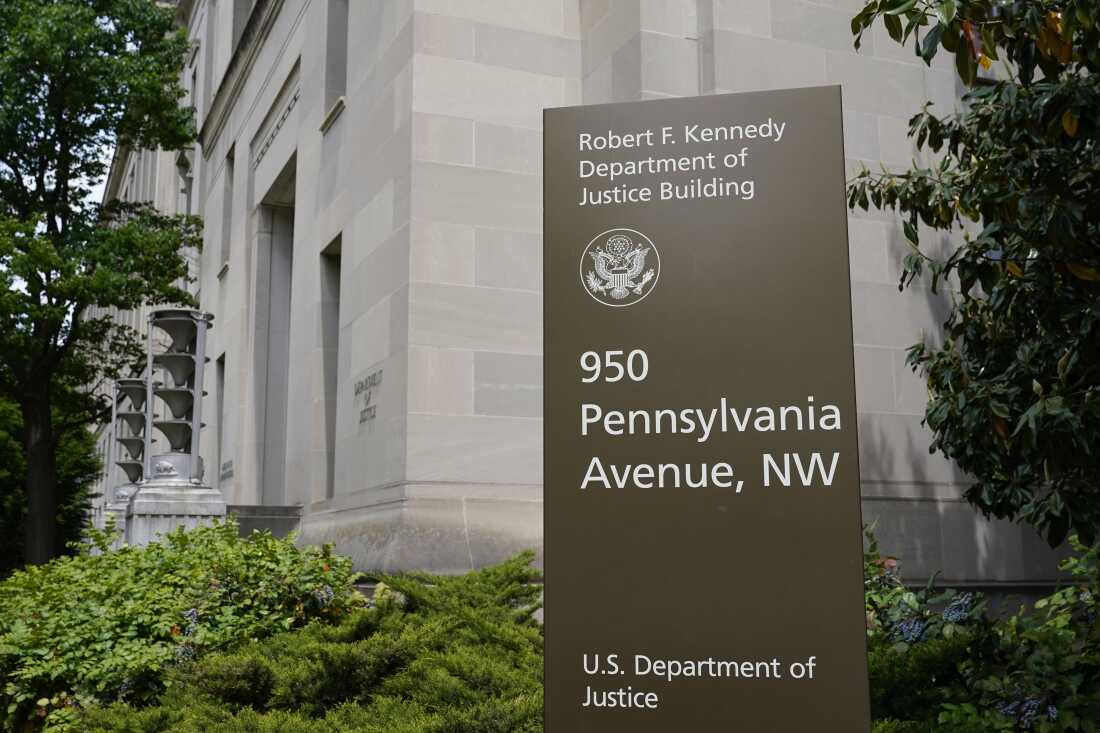
The U.S. Department of Justice issued a controversial memo, raising concerns among disability rights advocates. The opinion from the Office of Legal Counsel suggests states are not required to provide in-home or community-based care for individuals with disabilities. These services are vital for enabling many to live, work, and learn within their communities.
Alison Barkoff, a professor at George Washington University, emphasized the memo’s impact, stating it represents a significant shift in U.S. government policy. This change could endanger the integration of people with disabilities in their communities.
“It is now the position of the United States government that people with disabilities don’t have a right to be part of their communities,” said Barkoff.
Community Living at Risk
Without federal enforcement, states may cut these services, potentially returning to segregating individuals in institutions. The American Association of People with Disabilities expressed that this memo threatens decades of progress toward community-based living.
Legal experts have long interpreted Section 504 of the Rehabilitation Act and Title II of the Americans with Disabilities Act to support the provision of community services for people with disabilities. The Supreme Court confirmed this obligation in the landmark case Olmstead v. L.C. However, the recent memo challenges this understanding.
Impact and Legal Perspective
Lanora Pettit of the Justice Department argues that there is no ‘integration mandate’ requiring states to provide community-based services. She admits this view diverges from common legal interpretations of the Olmstead decision.
Professor Barkoff and others highlight the personal liberty issues at stake, as institutional settings limit individuals’ autonomy and quality of life. Jennifer Mathis from the Bazelon Center for Mental Health Law noted that institutional life often restricts personal freedom.
“Who you can see, when you can go out, when you eat. It’s deadening,” Mathis said.
Timing and Broader Context
This memo appears amid legal challenges like Texas v. Kennedy, questioning the integration mandate. The federal government’s stance aligns with plaintiffs who challenge local service requirements.
Furthermore, President Trump’s executive order aimed to address homelessness through institutionalization, influencing this shift. With this backdrop, the memo potentially clears the path for states to reduce community support services, affecting many who rely on Medicaid funding.
Amid deep Medicaid cuts, states might turn to more costly institutionalization options rather than maintain community-based programs. Disability advocates are concerned that these changes undermine long-standing civil rights protections, as highlighted by recent administrative actions affecting special education.