
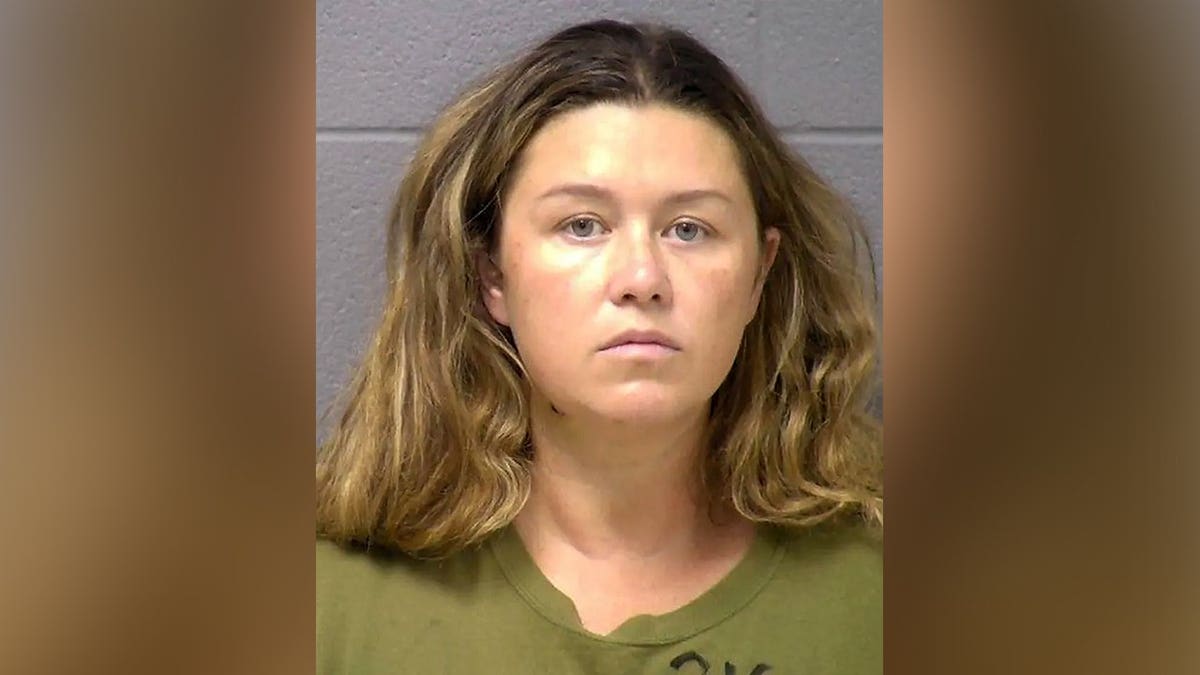
An Illinois judge has denied Corie Walsh’s release, citing danger concerns after she was charged with the murder of her 2-year-old son, Barrett. Prosecutors argued that Walsh posed a threat to her husband and her three surviving children.
Forensic psychiatrists point out that dangerousness is an evaluative assessment rather than a permanent label. It considers the improvement of a person’s mental health with treatment. Walsh, 40, continues to be held without pretrial release after a judge from Will County deemed her too risky for release.
According to her attorneys, Walsh had been days without psychiatric treatment despite recommendations for continuous care. The judge ordered immediate psychiatric medication for her.
Prosecutors warned against her release, mentioning a threat she allegedly made to her husband after being detained. The judge concurred, stating she was too much of a danger to be out before trial.
This decision raises a broader inquiry: What defines someone as too dangerous for release? Under Illinois law, judges assess the current risk to others, not past actions, when deciding pretrial detention.
“We’re more concerned about future actions than past behavior,” explained Dr. Stephen Dinwiddie, a psychiatric expert from Northwestern University.
Judges evaluate risks based on past actions, current statements, and future intentions, focusing on what a person may do in the coming days, potentially preventing harm.
Legal procedures sometimes involve enforcing treatment on those posing an immediate risk. Treatment can significantly affect evaluations, and judges might reconsider detention if circumstances change.
Dinwiddie highlighted that psychosis does not inherently equate to dangerousness. Misunderstandings often surface, as people assume psychosis impairs logical thinking.
“Even within delusions, individuals can act logically,” Dinwiddie remarked.
Walsh, charged with three counts of first-degree murder, is alleged to have believed her son was the devil and threatened other family members. Her case is ongoing, and she has yet to enter a plea.