
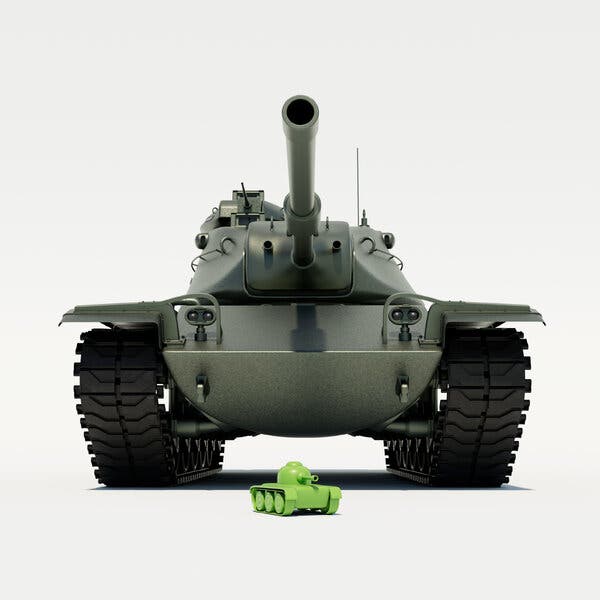
Small states under the protection of great powers can suffer from a unique condition. When this protection is extensive, these states may become militarily strong but strategically careless. They learn to wield force without understanding its consequences. These states adopt the appearance of sovereignty but often lack its discipline, as the true costs of sovereignty are covered by their patrons through arms supplies, diplomatic support, and Security Council vetoes. Over time, their strategic capabilities can weaken and they may mistakenly believe that military might can replace actual diplomatic strategy.
Israel exemplifies this condition. Its recent military action against Iran, conducted with the United States, aimed to reassert its dominance in the region. However, the outcome might highlight its limitations instead. While Iran has been targeted and its nuclear program impacted, it has not been transformed. The regime remains resilient. Instead of a new Iran, Israel might face a more resilient and determined adversary. The recent memorandum of understanding between the U.S. and Iran, intended to cease hostilities, underscores the limitations of Israel’s achievements. Israel could wage a war alongside the U.S., but it could not control the cessation terms.
This situation reveals the underlying issues in Israel’s military endeavors. While Israel demonstrated its ability to reach and punish Iran, achieving a resolution remains elusive. The outcome is a strategic drift, diplomatic marginalization, and an ever-increasing reliance on the U.S. An acknowledgment of this dependence is challenging for Israel’s leaders, possibly even on a personal level.
For many years, Israel has maintained a narrative of self-reliance while benefiting from robust U.S. support. Israel’s leaders have consistently promised that the nation would be able to “defend itself, by itself.” Yet behind this pledge lies American military hardware, intelligence sharing, and ongoing financial aid totaling $3.8 billion annually. As Israel’s dependence on the United States deepened, its insistence on independence grew more fervent.