
The U.S. and Iranian negotiating teams were scheduled to arrive in Doha. However, Iran announced there would be no meeting planned amidst renewed missile exchanges from both sides. This tested an interim ceasefire meant to end a prolonged conflict.
President Donald Trump has tasked his son-in-law Jared Kushner and envoy Steve Witkoff with leading the U.S. negotiation efforts. Iran, on the other hand, is sending a technical delegation to Qatar, which according to Iran’s Foreign Ministry spokesperson Esmaeil Baghaei, is unrelated to any American presence, affirming no scheduled talks with the U.S.
Baghaei’s statement highlights the fragile state of a previous agreement intended to pause hostilities that have disrupted the global oil flow through the Strait of Hormuz. This situation posed political challenges for Trump, especially with upcoming congressional elections.
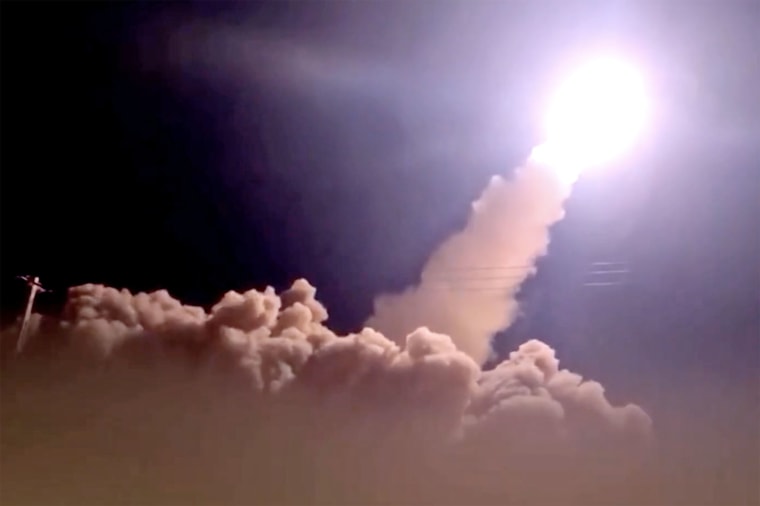
A video from Iran’s IRGC suggested attacks on U.S. military facilities in Kuwait and Bahrain, showing the continuing tensions. Both the U.S. and Iran determined a 60-day period to enact a 14-point agreement aimed at extending an April ceasefire and addressing nuclear program issues. Despite these efforts, accusations have flown about each side breaking agreed conditions.
The February 28 attacks by the U.S. and Israel on Iran had a significant impact on maritime operations through the crucial Strait of Hormuz, a vital point for oil trade, which has practically come to a halt due to these hostilities.
Israel, not involved in the peace discussions, has distanced itself from the U.S.-Iran agreement, further complicating efforts to resolve conflicts in related regions such as Lebanon. Oil prices surged beyond $100 per barrel due to the Strait’s closure, contributing to global inflation woes and political pressure on Trump, especially before the midterm elections impacting Congressional control.
Oil tankers and cargo vessels remained off Port Sultan Qaboos in Muscat, Oman, reflecting the slowed traffic.
An Iranian official mentioned potential meetings in Doha, focused on managing operations in the Strait and reducing tensions, contrasting with previous more technical meetings in Switzerland. Separate sessions between Iranian and U.S. technical teams with Qatari and Pakistani mediators could occur, highlighting ongoing diplomatic engagements.
While Trump expressed mixed sentiments about the Doha meeting’s potential impact, he reiterated military successes and emphasized preventing Iran from acquiring nuclear capabilities. Meanwhile, Iran seeks to assert control over the Strait by imposing fees on traversing ships.
The recent military exchanges have included missile strikes from Iran targeting U.S. military sites, countering prior American strikes on Iranian assets. This ongoing conflict keeps tensions high, challenging diplomatic resolutions.
U.S. envoy Steve Witkoff and Secretary of State Marco Rubio discussed the Iran situation with Congress members. Despite differing opinions about the briefing’s proficiency, the broader tension over continuing hostilities and economic strains remains.
Iranian President Masoud Pezeshkian announced that frozen assets in Qatar would soon be returned to Iran. This movement, part of the broader memorandum including sanctions waivers, was celebrated as a success within Iran.
Moreover, French President Emmanuel Macron revealed collaborative efforts with Oman to mitigate regional tensions and potentially remove mines from the Strait of Hormuz, although Iran’s Deputy Foreign Minister Kazem Gharibabadi insisted on Iran’s exclusive responsibility in such matters, cautioning against external interference.