
The fuel shortage caused by the U.S. oil blockade is having a significant impact on education in Cuba. Schools are ending the academic year early, and the journey to school has become challenging for many.
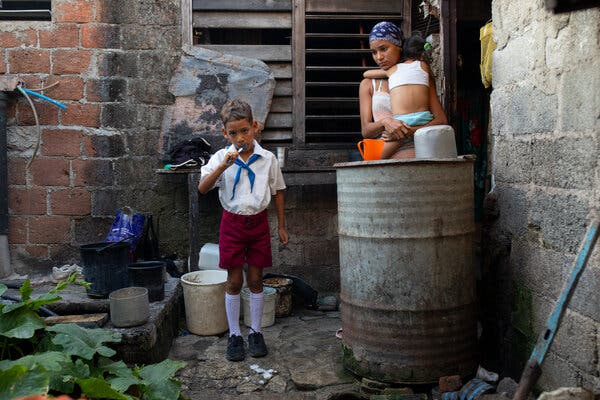
In Santiago, Cuba, Analeidis Arias Matos gets her son Alejandro ready for school, but the broader situation is dire. The blockade has led to an energy crisis, severely affecting transportation. Essential vehicles, like the Soviet-era school buses, have stopped operating, preventing children and teachers from attending school.
In western Cuba, Axisa and Aron Alfonso, siblings aged 6 and 7, are some of the few fortunate ones. Their father takes them to school on horseback, but often, they must return home as teachers fail to arrive. Their father, Sergio Alfonso Vásquez, expressed concern, saying, “My children rarely go to school. They go, but the teachers don’t come. I’m afraid because they aren’t learning anything.”
To manage the energy crisis, the Cuban government has implemented measures. Schools reduced hours to half-days and reintroduced remote learning for college students. As conditions worsened, the school year was cut short by two weeks, and college entrance exams for high school seniors were canceled. The government recognized the strain on students and educators due to sleepless nights and the lack of school meals.
This blockade and the resulting energy crisis emphasize the challenges faced by Cuba’s education system and the broader community as transportation and daily life are disrupted.