
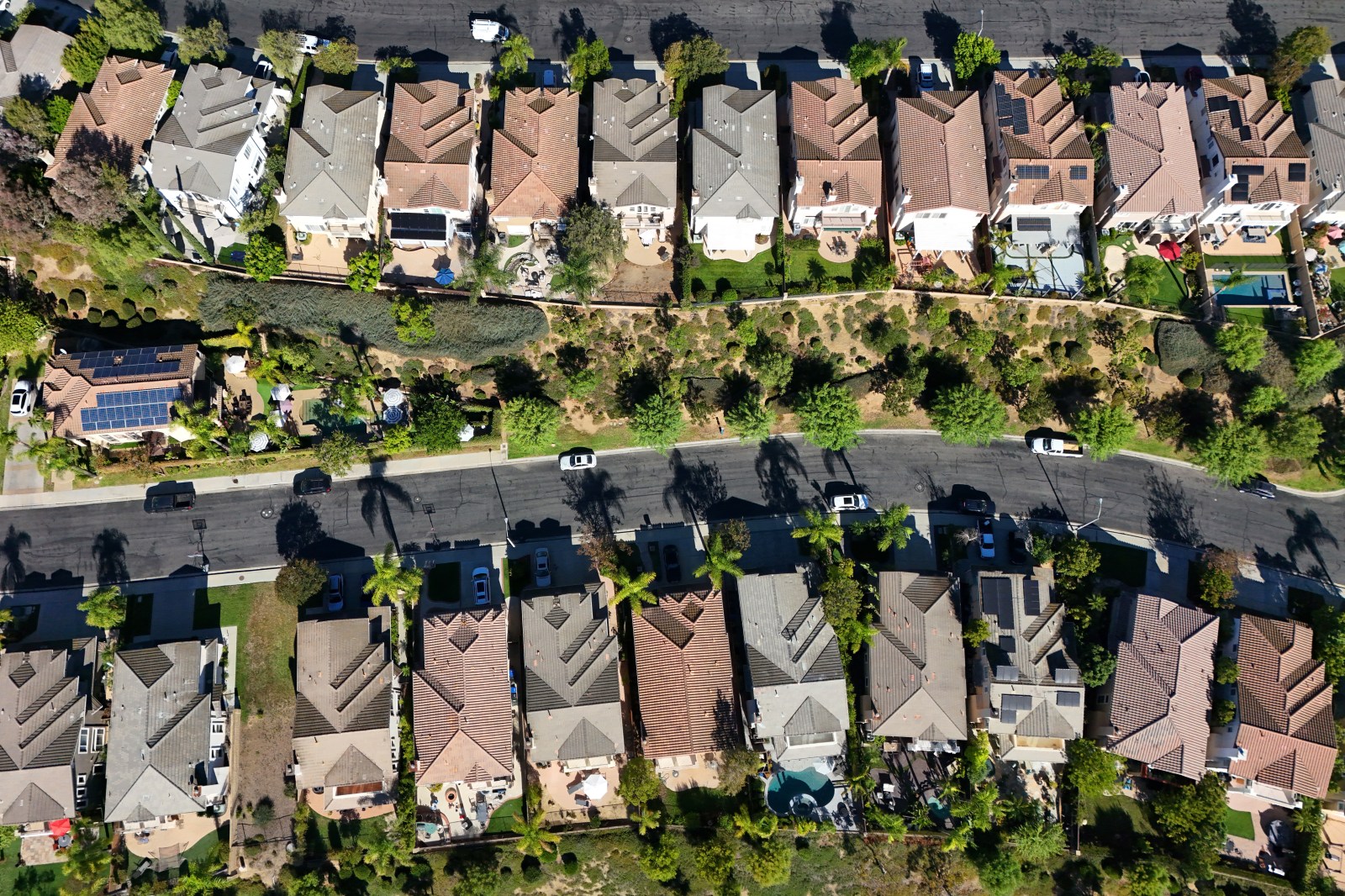
Property taxes are creating unexpected financial challenges for both new homeowners and those with paid-off mortgages. This effect is most pronounced in many U.S. cities where property taxes have increased faster than home values. A ConsumerAffairs analysis revealed that in 46 out of the 100 largest metropolitan areas, property taxes rose more rapidly than home values between 2022 and 2024.
The Pandemic Influence on Home Values
The rise in home values began during the pandemic, driven by low mortgage rates, leading to an average increase of nearly $100,000 for a U.S. home between 2020 and 2022. This translates to an asset value growth of about 17% annually, according to Brookings data. While this boost in equity benefited homeowners, it also resulted in higher property tax bills, although the tax increase rate was slightly slower.
The median property taxes paid by U.S. homeowners went up by 10.6% from 2022 to 2024, while home values increased by 12.4% nationwide. Other housing cost increases, such as higher insurance premiums and homeowner association fees, have compounded the financial burden, particularly for first-time buyers and seniors with fixed incomes.
Regional Differences in Tax and Value Growth
A homeowner’s financial strain often depends on their home’s location. ConsumerAffairs used U.S. Census Bureau data to compare the percentage change in median property taxes with the percentage change in median home value. The analysis highlighted that the 10 metropolitan areas with the largest gaps between tax increases and home value growth are predominantly in the South or West.
Cities with the Highest Tax Versus Value Growth
- Florida leads with three cities among the top 10. Lakeland-Winter Haven tops the list, with property taxes rising 28.1% while home values increased by 14.2%.
- Jacksonville, also in Florida, saw taxes rise by 21.7% versus an 8.1% increase in home values.
- In Colorado’s Denver-Aurora-Centennial area, taxes grew by 19.1%, while home values only rose by 5.7%.
- Colorado Springs, another metro in Colorado, experienced a 17.3% tax increase while home values grew by 4.7%.
- Birmingham in Alabama had a 17.6% increase in property taxes, with home values rising by 6.6%. Despite this growth, Birmingham’s 2024 tax bills were the lowest among the top five metros.
Potential Changes for Florida Homeowners
Florida voters may influence future property tax scenarios through a proposed constitutional amendment. This measure, known as Amendment 3, aims to increase the exemption on non-school property taxes, reaching $150,000 in 2027 and $250,000 in 2028. Additionally, the amendment would reduce the cap on annual assessment increases for non-homestead properties from 10% to 5%.
For the amendment to pass, it requires at least 60% voter approval. A recent NBC6/Telemundo Station Group poll conducted by Mason-Dixon indicated that 55% support the amendment, while 26% oppose it, and 19% remain undecided. If enacted, local government funding could be affected, potentially impacting services such as law enforcement.