
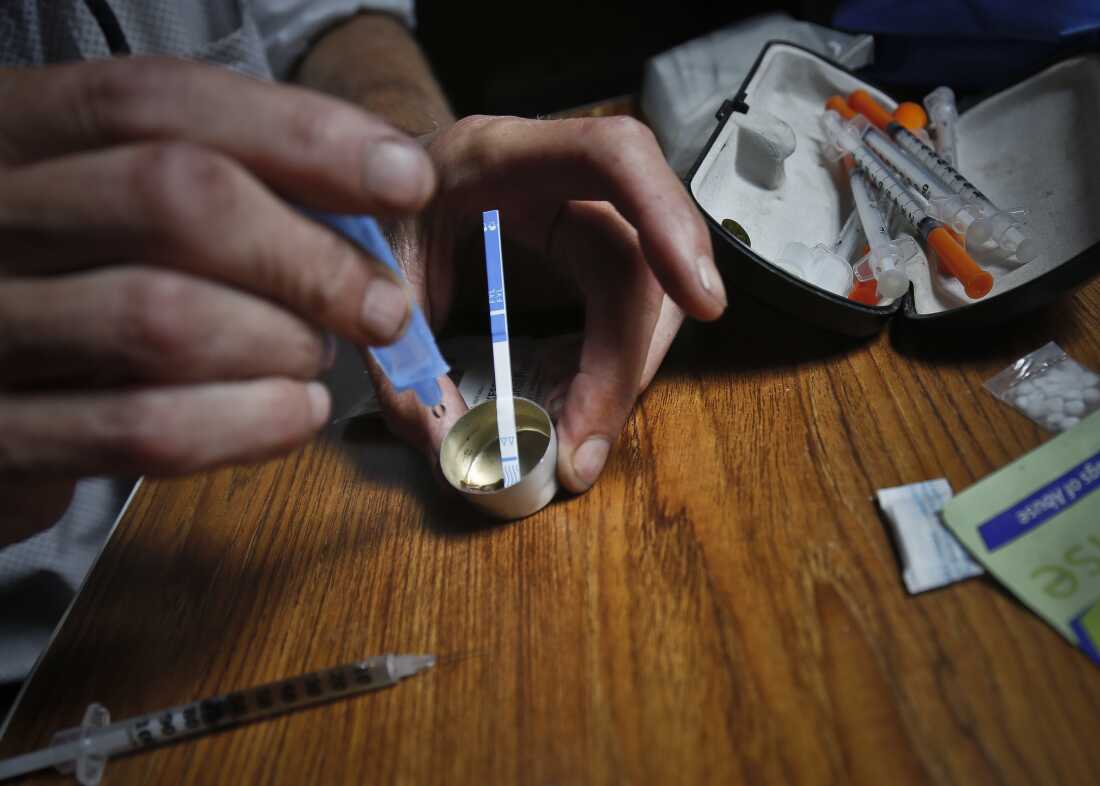
In New York on August 22, 2018, a drug user used a test strip to check for the presence of fentanyl in heroin, a potential risk for overdose. In Baltimore last year, three mass overdose incidents occurred over three months in the Penn North neighborhood. In one event, over two dozen individuals were hospitalized after being found unresponsive on streets and sidewalks. Fortunately, there were no fatalities, though some were in critical condition.
Tests revealed the street drugs contained high levels of N-methylclonazepam, a benzodiazepine with effects similar to Xanax or Valium. Like opioids, benzodiazepines can suppress breathing, increasing overdose risks when combined. Additionally, benzodiazepines do not respond to typical opioid overdose reversal drugs.
In response, the Baltimore Harm Reduction Coalition introduced test strips to detect benzodiazepines. These were distributed, along with strips for detecting fentanyl, xylazine, and medetomidine, at clinics and community events. They are also provided at no cost in bars and on street corners. Users mix a sample of the drug with water and dip the strip in; a color change indicates the presence of adulterants.
“Nobody really knows what they’re getting when they buy drugs off the street,” said Candy Kerr, spokesperson for the coalition. “Test strips give users the option to use cautiously if they choose to consume.”
However, a new federal policy might hinder organizations like Kerr’s from distributing the strips. In late April, the Substance Abuse and Mental Health Services Administration banned using federal grants to distribute test strips publicly. Fear exists that this could increase overdose rates.
For nearly a decade, test strips have been employed to detect adulterants. Health advocacy groups provide these strips to individuals released from detention to prevent overdoses. A box offering free test strips sits outside the Chesapeake Detention Center in Baltimore.
“The Trump administration argues these harm reduction practices ‘facilitate illicit drug use and are incompatible with Federal laws,'” stated a letter to local health departments and nonprofits.
The letter added that Department of Health and Human Services grants cannot support programs endorsing clean needles or drug paraphernalia, or hotlines for drug users at risk of overdosing.
The administration, as explained by HHS spokesperson Emily Hilliard, aims to prioritize techniques like distributing naloxone, an overdose reversal nasal spray.
Under the new policy, federal funds can support test strip procurement for law enforcement, public health officials, EMTs, and medical professionals. This exemption allows governments to test drugs and provide updates on adulterants in drug supplies.
Yngvild Olsen, former overseer of SAMHSA’s Center for Substance Abuse Treatment, noted a significant body of evidence showing that test strips given to drug users can alter behavior. Users might decide not to take substances, reduce usage, or use precautionary measures like naloxone.
“Continuing to promote test strips while distributing life-saving medications like naloxone is crucial,” Kerr emphasized. Kerr attributed Baltimore’s over 40% decline in overdose deaths since 2023 to this comprehensive approach.
Under the new policy, nonprofits may still distribute test strips but must seek alternative funding. “We’ve made progress because of available funding,” Kerr said. “Now, we’ll need to redirect resources.” This could mean reducing services like hygiene and wound care kits to ensure test strip availability. Kerr favors this decision over the risk of future mass overdoses in Baltimore or even a single unnecessary death.