
Immigration Policy Changes Affecting Military Families
The administration of President Donald Trump has rolled back immigration protections for families of active-duty U.S. troops. This shift has resulted in the detention of over 50 parents and spouses of service members since Trump began his second term. According to an Associated Press investigation, at least six individuals have been deported, while one chose self-deportation.
These detentions mark a departure from a long-standing practice where close relatives of military personnel were usually protected from deportation. Despite ongoing military efforts to recruit by highlighting immigration benefits for enlistees’ families, these individuals now face months of detention while attempting to adjust their legal status. This policy change could undermine military preparedness during a time of conflict in Iran. Families are left with reduced emotional support, leading to delayed deployments and forcing some service members to take leave.
Public Reaction and Government Response
Public backlash over the detentions has prompted the intervention of Homeland Security Secretary Markwayne Mullin, leading to the release of some detainees. Despite this, the Department of Homeland Security (DHS) does not maintain comprehensive data on these cases. The Associated Press gathered information by analyzing thousands of court records from Habeas Dockets and verifying details with family members and attorneys. DHS stated that seven individuals had previously been removed, eight had removal orders, and two had convictions for offenses like drunken-driving.
The Pentagon has not commented on the findings of the investigation. The reversal in policy from Trump’s previous administration reflects a marked change. During Trump’s first term and prior administrations, immediate family members of service members were seldom detained unless involved in violent crimes. This shift has created significant distress within military families as they navigate the complexities of immigration enforcement.
Personal Accounts Reveal Struggles
“How can I even focus on my military career because I have to worry about how my wife is doing?”
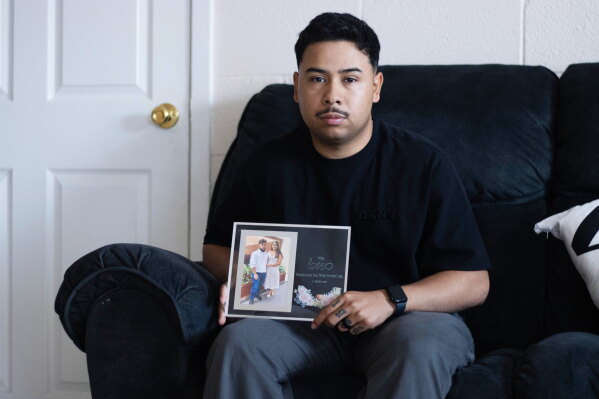
Army Sgt. Hedar Leonel Turcios Juarez, for instance, is deeply worried after his wife Cristy was detained outside a Walmart in front of their young daughter. Immigration authorities detained Cristy despite her attempts to adjust her legal status, a common ordeal faced by many military families.
Similarly, Air Force Tech. Sgt. Wendy Gbeve has struggled to find peace since her father was detained during an interview with U.S. Citizenship and Immigration Services, only to be deported shortly after. Gbeve’s story highlights the emotional and logistical challenges facing many military service members due to these policies.
Recruitment Practices and Legal Status Shifts
Recruiters often use immigration benefits as incentives for enlisting service members. One such benefit is known as military parole-in-place, allowing families to adjust their status from within the country. However, the time to process these applications has doubled under Trump, leaving families vulnerable to ICE detention. The Marine Corps ceased advertising this benefit following inquiries from the AP, but other branches continue to promote it.
The detention of relatives often leaves service members like Army Staff Sgt. Alexis Jaramillo on administrative leave, managing child care alone while attempting to create stability amid ongoing deportation threats. These cases underline the critical need for clear policies to ensure military families receive support, enabling troops to focus on their duties without concerns over immigration enforcement.
The struggle of these families exemplifies the broader consequences of policy shifts under the Trump administration. Adjustments to immigration enforcement protocols continue to affect the morale and readiness of U.S. military personnel.