
Canada’s retaliatory tariffs on the United States went into effect, risking billions of dollars in goods and affecting exports from multiple states amidst ongoing trade tensions between these long-standing allies. Earlier, the U.S. imposed significant tariffs on Canadian goods, leading Canada to respond in kind.
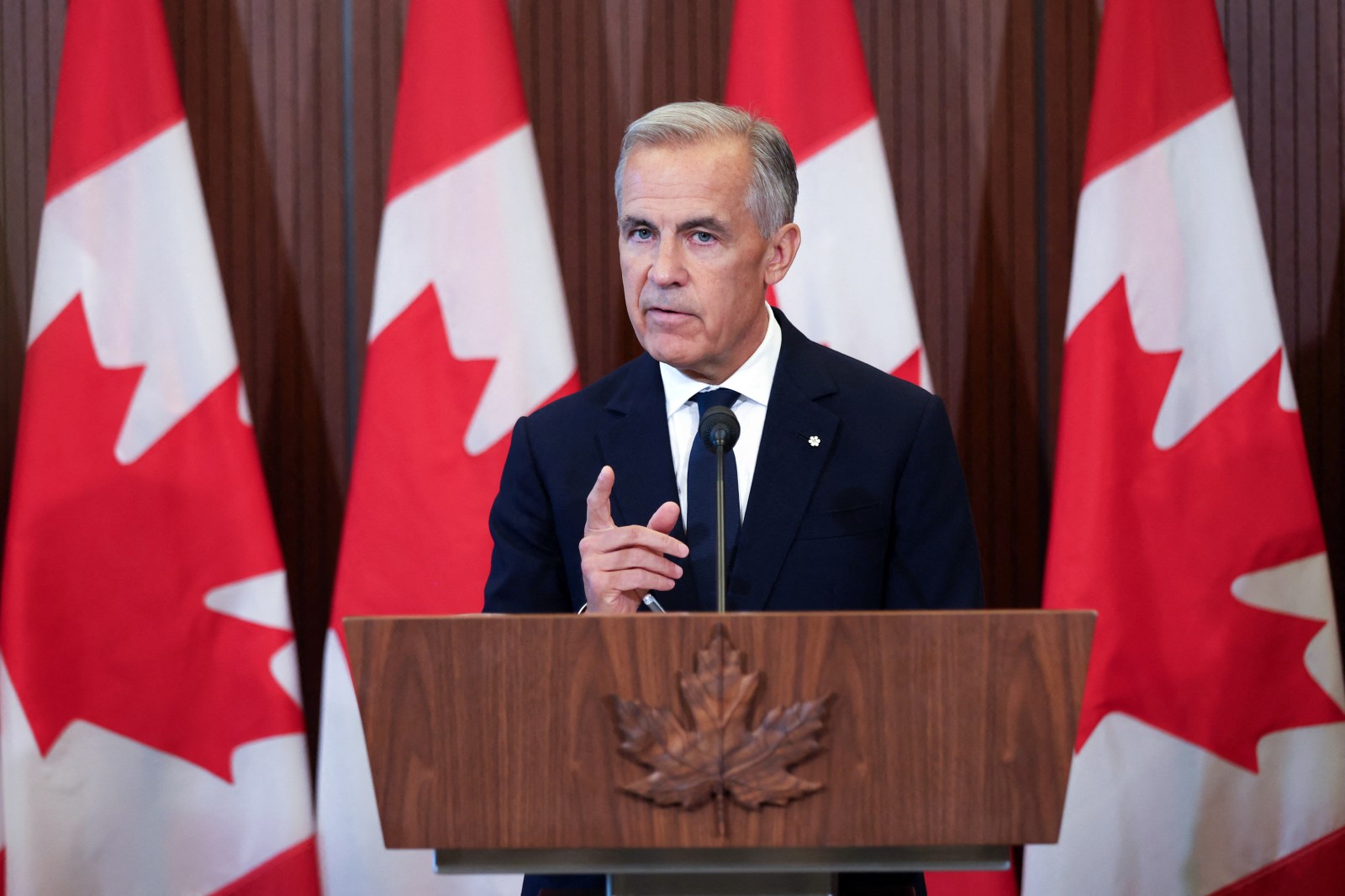
Trade talks between the U.S. and Canada halted in late August after President Donald Trump enacted 50% tariffs on $20 billion worth of Canadian imports. These came in addition to existing duties on cars, trucks, metals, and lumber. In response, Canadian Prime Minister Mark Carney implemented tariffs ranging from 15% to 50% on $27.6 billion of American imports, targeting dairy, agricultural equipment, and electronics.
State-Level Effects
The Canadian Chamber of Commerce has highlighted that trade relations with Canada are of major importance to many U.S. states. It states that $1.3 trillion in bilateral trade and $2 trillion in annual investments underlie a symbiotic economic relationship that benefits both nations. Canada was the leading export market for 26 states in 2025.
States near the Canadian border engage heavily in trade with Canada. Illinois, for instance, exported energy resources and raw materials, totaling $75.9 billion in trade in 2025. Texas, despite being further south, had integrated energy and manufacturing trade with Canada, with vehicles contributing $14.5 billion to Texas’s $69 billion trade total in 2025.
Overall, 15 states primarily exported energy resources and raw materials, while machinery and chemicals were also significant export categories.
Canada’s Situation in the Trade War
Concerns have arisen across party lines regarding the ramifications of the trade dispute with Canada. Senator Susan Collins criticized President Trump’s tariffs as a misstep. Analysis suggests that Canadian consumers would likely endure harsher impacts than their American counterparts due to the U.S.’s larger, more self-reliant economy.
Political dynamics may shape responses to the tariffs more than economic factors. According to Angus Reid Institute polling, 76% of Canadians supported ending talks with the U.S. in August, while 62% supported Carney’s tariffs. Conversely, President Trump lacks comparable support in the U.S., with some suggesting he relies on midterm elections to alter the situation.
Midterm Election Impact
Some U.S. states facing midterm elections may feel significant effects from Canadian tariffs. Wisconsin’s cheese and Maine’s seafood are among the targeted goods. Political observers note that while national implications may be limited, border states like Michigan and Maine may see heightened focus on the issue.
Political consultant Whit Ayres suggested that trade tensions could influence states such as California and Texas, though broader concerns like inflation might overshadow them.
A Reuters/Ipsos poll found that many Americans blame their own country for the trade tensions, with 57% opposing further tariffs. Yet, President Trump recently threatened Canadian aircraft manufacturer Bombardier, adding further pressure.
Kansas-based Senator Jerry Moran warned against disrupting Bombardier’s operations given the firm’s importance to the state. The IAM union, representing Bombardier workers, also opposed any move to block aircraft sales, citing the company’s significant contribution to U.S. and Canadian economies.