
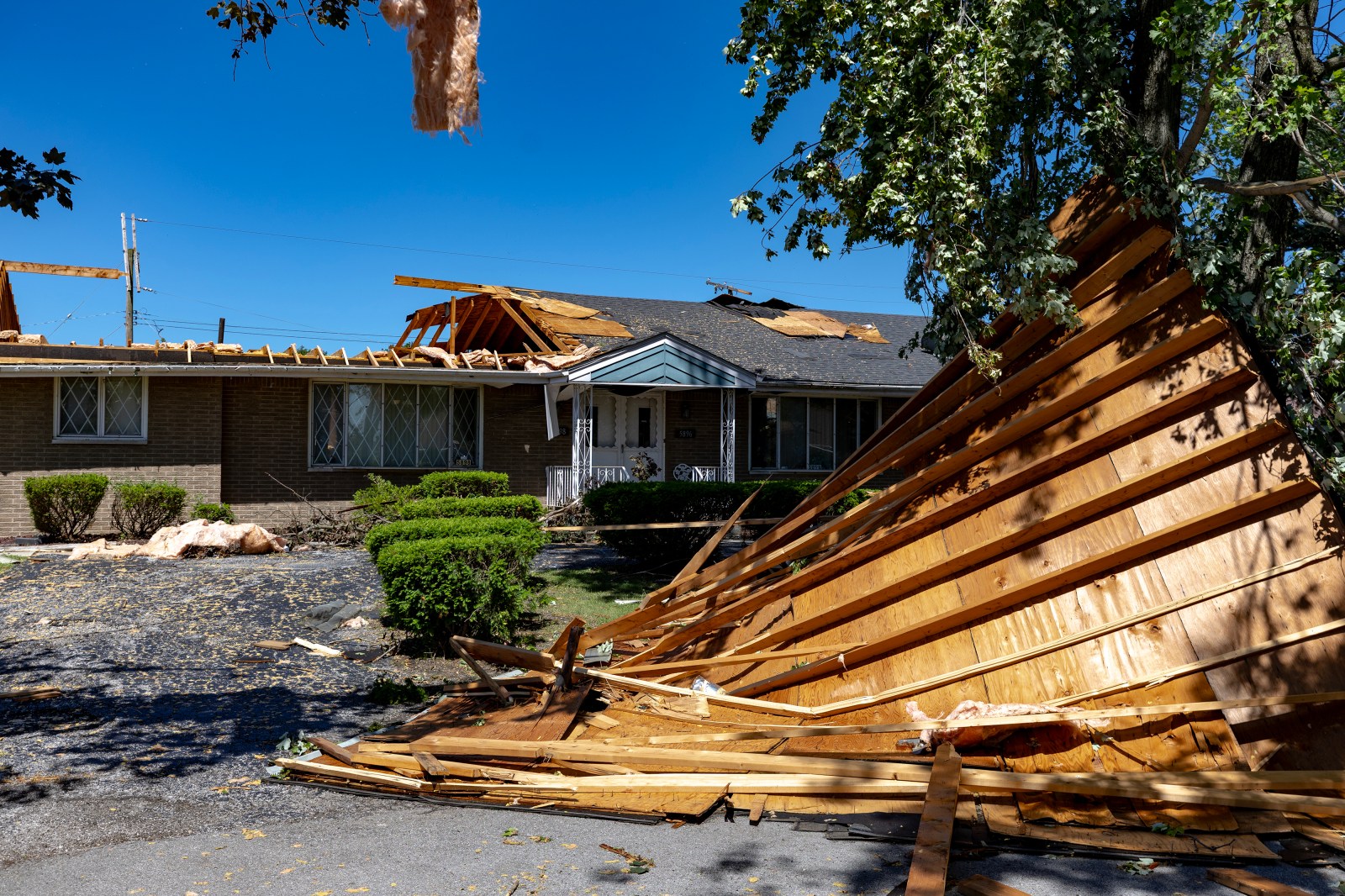
As home prices continue to rise alongside high mortgage rates, many Americans find homeownership increasingly unattainable. Rising insurance premiums make it difficult for those in disaster-prone regions to retain their homes. In states like Nebraska and Oklahoma, insurance costs account for almost a fifth of monthly housing expenses, surpassing mortgage payments and property taxes, according to a LendingTree study. Overall, home insurance constitutes at least 10% of monthly housing costs in 20 states.
Insurance Premiums’ Role in Housing Affordability Crisis
Experts agree the U.S. housing market is navigating “unprecedented times” with persistent high home prices, borrowing costs, and varied inventory levels across regions. Since 2020, spurred by low mortgage rates, home prices increased by 54% nationwide, according to Harvard University’s Joint Center for Housing Studies (JCHS). Mortgage rates rose from 2-3% to 6-7% amid the Federal Reserve’s inflation control efforts and now average around 6.5%.
Property taxes climbed alongside home values, increasing by over 30% between 2019 and 2025, as per JCHS findings. In Florida, homeowners association (HOA) fees rose due to new building safety laws. These increases make homeownership costlier for many, but rising insurance premiums are another critical factor.
Insurance premiums have increased as extreme weather events become more frequent and severe. In Florida and California, additional challenges like fraud and strict regulations exacerbate the costs for insurers. Though lawmakers have raised concerns and taken action in Washington, Florida, and California, premiums continue to rise.
JCHS reported a 72% increase in average national monthly insurance premiums between 2019 and 2025, reaching $201. This trend impacts housing affordability significantly.
States with High Insurance Costs
Nationally, home insurance comprises about 8.5% or $200 of average monthly housing costs. This is based on a typical monthly mortgage payment of $1,843 and property tax of $300. In higher-risk states, homeowners spend roughly one in every five dollars on insurance.
LendingTree identified 10 states with the highest insurance costs as a portion of monthly expenses:
- Nebraska: 19.4% ($413)
- Oklahoma: 17.6% ($278)
- Texas: 14.4% ($331)
- Arkansas: 14.0% ($200)
- South Carolina: 13.5% ($259)
- Tennessee: 13.4% ($284)
- Colorado: 13.3% ($463)
- South Dakota: 13.3% ($272)
- New Mexico: 13.0% ($244)
- Alabama: 12.3% ($182)
According to LendingTree analyst Rob Bhatt, severe weather risks in these regions justify high insurance costs.
States with Low Insurance Costs
Conversely, states with the smallest insurance shares include:
- Hawaii: 2.1% ($95)
- Vermont: 3.2% ($77)
- District of Columbia: 3.5% ($145)
- New Hampshire: 3.6% ($114)
- California: 3.8% ($170)
- New Jersey: 4.3% ($159)
- Alaska: 4.5% ($113)
- Delaware: 4.6% ($97)
- Maine: 4.8% ($107)
- Washington: 4.9% ($178)
Future Outlook for Home Insurance
Insurify predicts home insurance premiums to rise for a fifth year, reaching an average of $3,057 by 2026. This increase could pose significant challenges to homeownership, especially in vulnerable regions.
A study by the Chicago Fed indicated that 6% of U.S. homeowners lacked insurance from 2007 to 2017, with Black and Hispanic homeowners more likely to be uninsured. Education, income, and home value correlated with insurance coverage. Similarly, a recent Urban Institute report found that insurance burdens low-income households in hazard-prone areas most.
The trend affects the entire country but hits disaster-prone areas hardest. Despite this, recent data show some improvement, with premium rates rising 6% last year, following higher increases in previous years, noted Bhatt.