
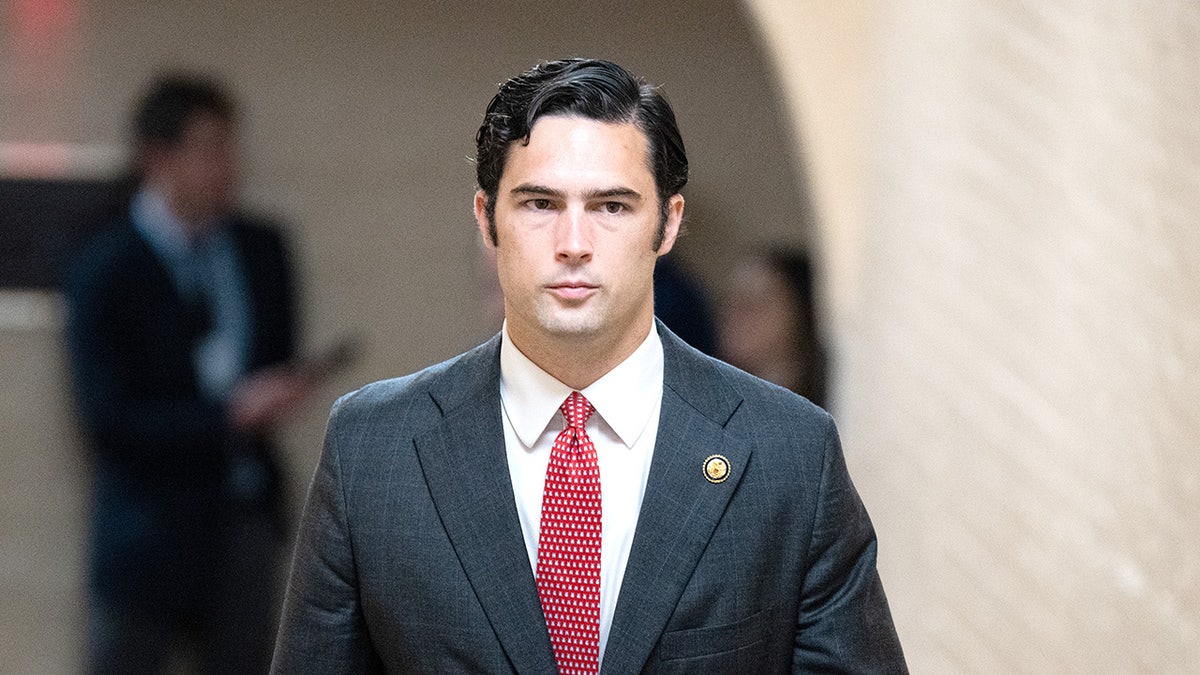
Representative Brandon Gill, R-Texas, rigorously questioned American Bar Association (ABA) President Michelle A. Behnke regarding the organization’s diversity principles. This interaction occurred during a House Oversight Committee Task Force hearing focused on the ABA’s law school accreditation role. Republicans accused the ABA of imposing race-focused diversity, equity, and inclusion (DEI) policies within the legal field. Meanwhile, the ABA maintained its support for diversity without endorsing racial quotas.
Gill alleged that the ABA pressured law schools into race-conscious admissions and mandatory DEI coursework. He criticized DEI principles, claiming they result in discrimination and hinder merit-based opportunities for Americans.
During a heated exchange, Gill referenced the ABA’s website, which advocates for judicial diversity. He asked Behnke if having a racially representative Supreme Court would be beneficial. Behnke emphasized the importance of diversity but avoided a direct yes-or-no response.
Gill further probed Behnke on whether the court should reflect America’s racial demographics. Behnke reiterated the ABA’s opposition to quotas. Gill, referencing the current racial composition of the court, questioned whether a third Black nominee should be rejected based solely on race. Behnke stood firm on the ABA’s anti-quota stance.
Gill also challenged Behnke on President Joe Biden’s 2022 nomination of Justice Ketanji Brown Jackson, inquiring if race was a clear factor in the decision. Behnke maintained that the ABA opposes discrimination without addressing Biden’s nomination criteria directly.
The ABA’s accreditation holds significant influence over legal education since it is a primary pathway to the bar exam in most states. While the ABA asserts its accreditation body is separate, Republicans suggested a closer integration exists.
Throughout her testimony, Behnke defended diversity, claiming it enhances the legal profession’s strength and problem-solving capacity across different communities.
This hearing aligns with efforts by several states, including Texas, Florida, and Alabama, to explore alternatives to relying solely on ABA accreditation for bar eligibility.