
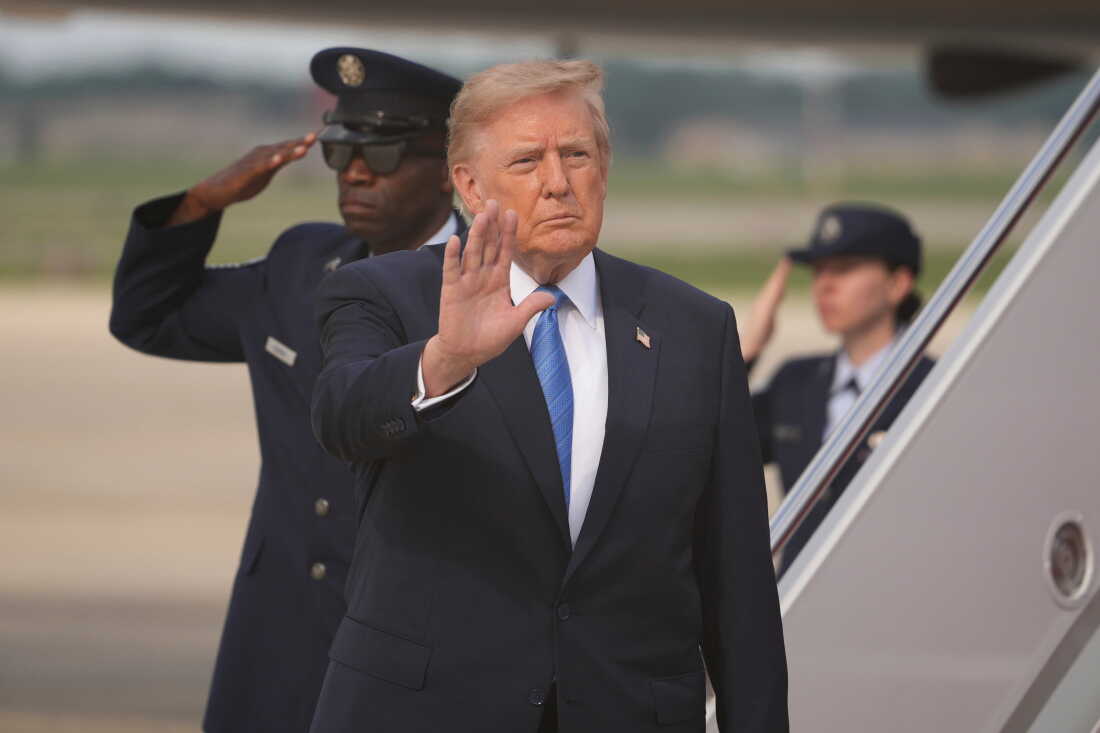
President Donald Trump announced a new agreement with Venezuela, granting the U.S. access to its extensive oil reserves. This deal was a collaborative effort led by Secretary of State Marco Rubio, Defense Secretary Pete Hegseth, and Venezuela’s acting President Delcy Rodríguez. Trump described it as the ‘biggest oil deal in world history’ through a social media post.
Venezuela’s government noted the deal includes the development of 17 fields, with the potential of 65 billion barrels of oil. This agreement could bring $100 billion in investment into Venezuela’s oil sector and generate over $209 billion in taxes for Caracas. Rodríguez expects the deal to significantly revitalize Venezuela.
The agreement allows the U.S. to partner with an unnamed private operator to establish a new company that will manage these reserves. This company would have 55% of its output controlled by the U.S., including ownership stakes and rights to purchase oil at cost. An official revealed that the company received 100-year development rights in Venezuela.
This private company would become the world’s second-largest corporate holder of proven reserves, second to Saudi Aramco.
The announcement follows nine months after a U.S. military operation led to the capture of Venezuela’s former President Nicolás Maduro by Trump’s orders, after accusations of narcoterrorism and drug trafficking.
Trump, under pressure to lower high gas prices due to the ongoing U.S.-Israel war with Iran, hopes this agreement will help. Since early August, U.S. strategic petroleum reserves have dropped below 300 million barrels.
Experts advise caution, as a quick drop in U.S. gas prices from this deal is unlikely. Repairing and expanding Venezuela’s oil infrastructure will take time and billions of dollars. Additionally, attracting American oil companies back may be challenging due to previous experiences and political instability.
Following Maduro’s removal, Trump convened oil executives, encouraging them to return to Venezuela. However, caution remains due to past challenges. Darren Woods, CEO of ExxonMobil, described the country as ‘un-investable’ at the time.
Rodríguez, upon taking office, signed a law opening Venezuela’s oil sector to privatization, reversing decades-old nationalization policies. This move aligns with Rubio’s statement on X, claiming the deal will bring billions of private investments and lower U.S. gas prices. The oil acquired will support the U.S. strategic petroleum reserve and military needs.
Venezuela holds an estimated 303 billion barrels of oil, around 17% of global reserves according to the U.S. Energy Information Administration. Despite its vast reserves, political and infrastructural issues limit output to about 1% of global production.
Maduro remains jailed in the U.S., having pleaded not guilty to the charges. The new political direction aims to stabilize and capitalize on Venezuela’s resources for mutual benefits.
Reporting by Garcia Cano from Caracas.