
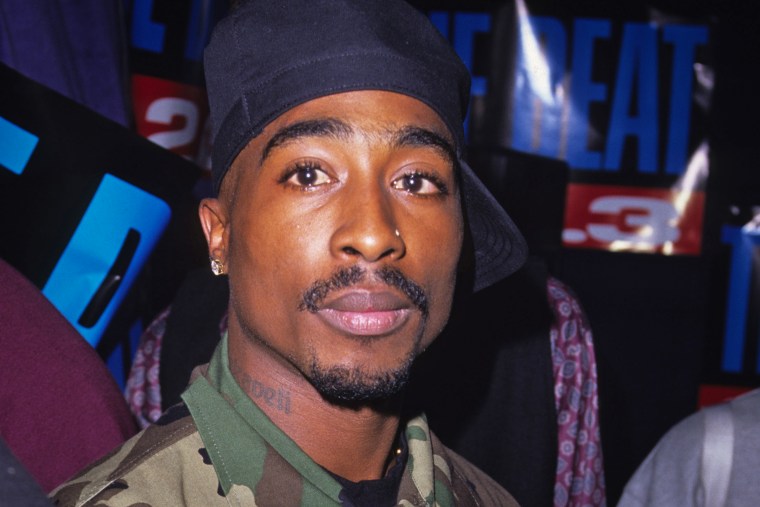
Duane “Keffe D” Davis has been found guilty of first-degree murder in connection with the 1996 killing of rapper Tupac Shakur in Las Vegas. Clark County prosecutors argued that Davis, who is 63 years old, was a former leader of the South Side Compton Crips in Los Angeles. They claimed he sought revenge against Shakur after the rapper assaulted Davis’ nephew.
Following the verdict, Judge Carli Kierny ordered Davis to remain in jail until his sentencing on October 13. Davis has indicated plans to appeal the decision. The courtroom saw Davis’ son visibly distressed, while Tupac’s sister, Sekyiwa Shakur, reacted emotionally.
Davis was not accused of firing the weapon, yet under Nevada law, assisting in a murder can lead to a conviction. Among those present during the shooting, Davis is the only surviving individual.
This trial provided answers to a longstanding mystery that captivated fans and crime enthusiasts for decades. Tupac Shakur, considered among the most influential rappers, continues to impact new audiences even today.
Background of the Case
Chief Deputy District Attorney Binu Palal stated Davis “went hunting” for Shakur and Marion “Suge” Knight after they were seen at the MGM Grand Hotel involved in a physical altercation with Orlando “Baby Lane” Anderson. Jurors reviewed security footage and listened to testimonies about the fight that took place hours before the drive-by shooting of Shakur and Knight. Knight survived, but Shakur succumbed to his injuries after six days.
In 2008, Davis struck a deal with federal investigators whilst they probed Marion Wallace’s death, known as Notorious B.I.G. Davis falsely believed this deal granted him immunity but did not protect him from future prosecution if involved in Shakur’s case. His proffer exposed details of the murder, revealing insights like seating arrangements during the drive-by.
Key evidence came in 2019 with Davis’ memoir “Compton Street Legend,” where he admitted his involvement in the murder. Prosecutor Bilal highlighted this book’s importance, stating Davis has publicly claimed responsibility over the years and urged the jury to convict him based on his admissions.
Complex Investigation
Jurors heard extensive testimonies from former investigators involved in solving this complex case which spanned over 30 years. The shooting led detectives from Las Vegas to Compton, entangled in a gang conflict.
Detectives traveled multiple times to Southern California, facing barriers of unreliable witnesses and silence in the community. Former law enforcement officials testified that these factors hindered the investigation.
Defense attorney Michael Sanft argued Davis exaggerated his role for attention and financial gain. He questioned the lack of physical evidence linking Davis to the crime scene. Sanft noted the absence of records proving Davis’ presence in Las Vegas with Shakur or his involvement in providing the weapon.
Retired detective Dan Long, a defense witness, mentioned difficulties in validating details from Davis’ 2009 police interview. Sanft emphasized inconsistencies in Davis’ statements and asked jurors if mere statements were sufficient for a guilty verdict. In closing, he highlighted the uncontested fact of Shakur’s shooting on September 7, 1996.