
My children remain unaware of their grandfather, a man I haven’t seen in 21 years. My son, who is 9, competes on three baseball teams. As I try to manage the schedule, I face constant challenges: coordinating three uniforms, navigating different drop-off points, and ensuring he has the right equipment. My days are filled with laundering sports gear and packing essentials like coolers, chairs, and crafts for his younger sister to share during games.
As I watch him pitch, I am overwhelmed with mixed emotions. I cheer him on, offering words of encouragement. Whether he faces a setback or achieves a triumph on the field, I feel a connection to my own childhood and the support I received from my dad. Yet, every event is marred by the absence of one person in particular. I find myself searching through the crowd, hoping to spot a familiar face. Occasionally, I imagine him among the spectators, but it’s a trick of the mind.
Growing up, my father was my biggest supporter. He was present for every tryout and game, exuberantly celebrating victories and offering guidance in defeat. He taught me the nuances of the sport, becoming a constant presence in my athletic life. But everything changed when my parents divorced after 18 years together. At 19, I faced the loss of a familiar family structure. They each started anew in different states, and not long after, my father sent me an email severing ties.
I ponder what my children would call him if they knew him. Yet, I refrain from introducing him to them because it would expose the lingering pain for me. It’s challenging to determine if they sense his absence, whether in their demands for attention or their reactions to perceived inequities. I question if they comprehend the depth of the void created by my father’s absence and subsequent threats, leading to protective measures I had to take.
There’s no comprehensive guide on how to convey the details of such estrangement to young ones. While I’ve looked through countless resources, none resonate with my experience. The journey towards healing feels isolating and fraught with uncertainty. Research indicates many face similar family rifts, yet no universal solution exists given the complexities involved. According to a 2022 YouGov poll, around 29% of Americans face estrangement from a close relative.
My son hasn’t inquired about his grandfather, partly because there are no visible reminders of him in our home. Still, there are mementos tied to him, like the collection of childhood baseballs or my old glove, inscribed with my former surname. When the time comes, explaining their significance will require sharing these personal connections. In contrast, they know PopPop, my mother’s husband, who embodies the ideal grandparent role.
I envision numerous scenarios in which I might reveal the truth to my children. I’d share memories of my dad’s positive influence in my upbringing, explaining his gradual withdrawal due to personal struggles. I anticipate their curiosity and readiness for an honest exchange. Yet, I remain indecisive about when they’ll be ready to hear this story. I’m still grappling with whether prolonged separation will ease the emotional burden I carry.
In trying to protect them from this part of my past, I question my own motivations. Will refraining from the conversation benefit them, or am I shielding myself from having it? As they grow, I wonder if they’ll speculate about mending broken bonds with simple gestures. Perhaps I’ve overestimated the complexity of this dialogue. Parenting has shown me that children often bring simplicity to challenging discussions.
The everyday moments, like asking about grandparents attending a game, remind me there’s no need to meticulously plan this disclosure. My children already feel surrounded by family who are present and supportive. As I clean my son’s cleats, I realize their needs are being met—any perceived void hasn’t impacted them. But I continue to question whether I will ever feel complete without my father’s presence.
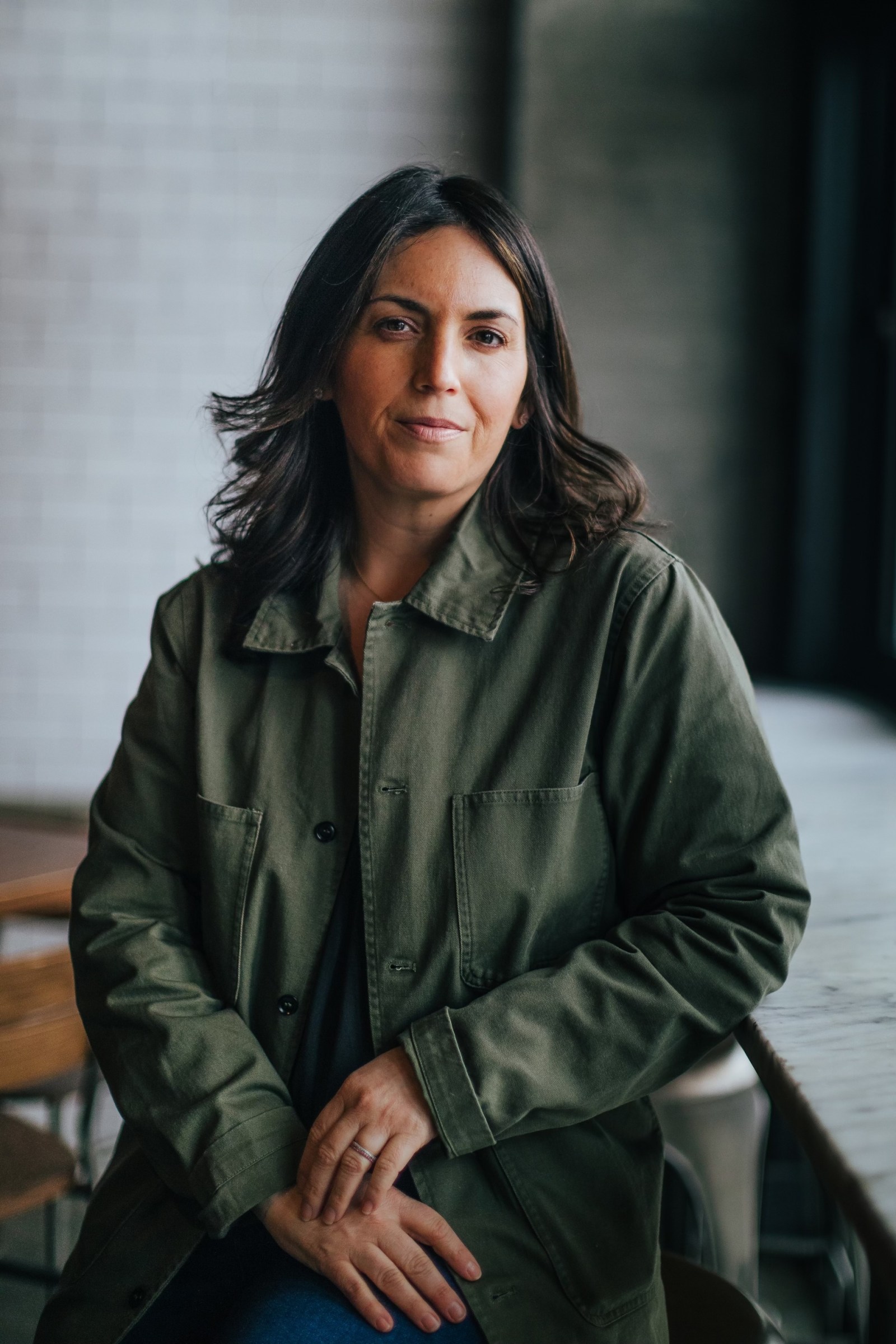
Brianna Alcorn is currently writing a memoir about parental estrangement, seeking to foster resilience and healing for others in similar situations. The views expressed are the author’s own. Do you have a personal story to share? Contact Newsweek MyTurn at [email protected].