
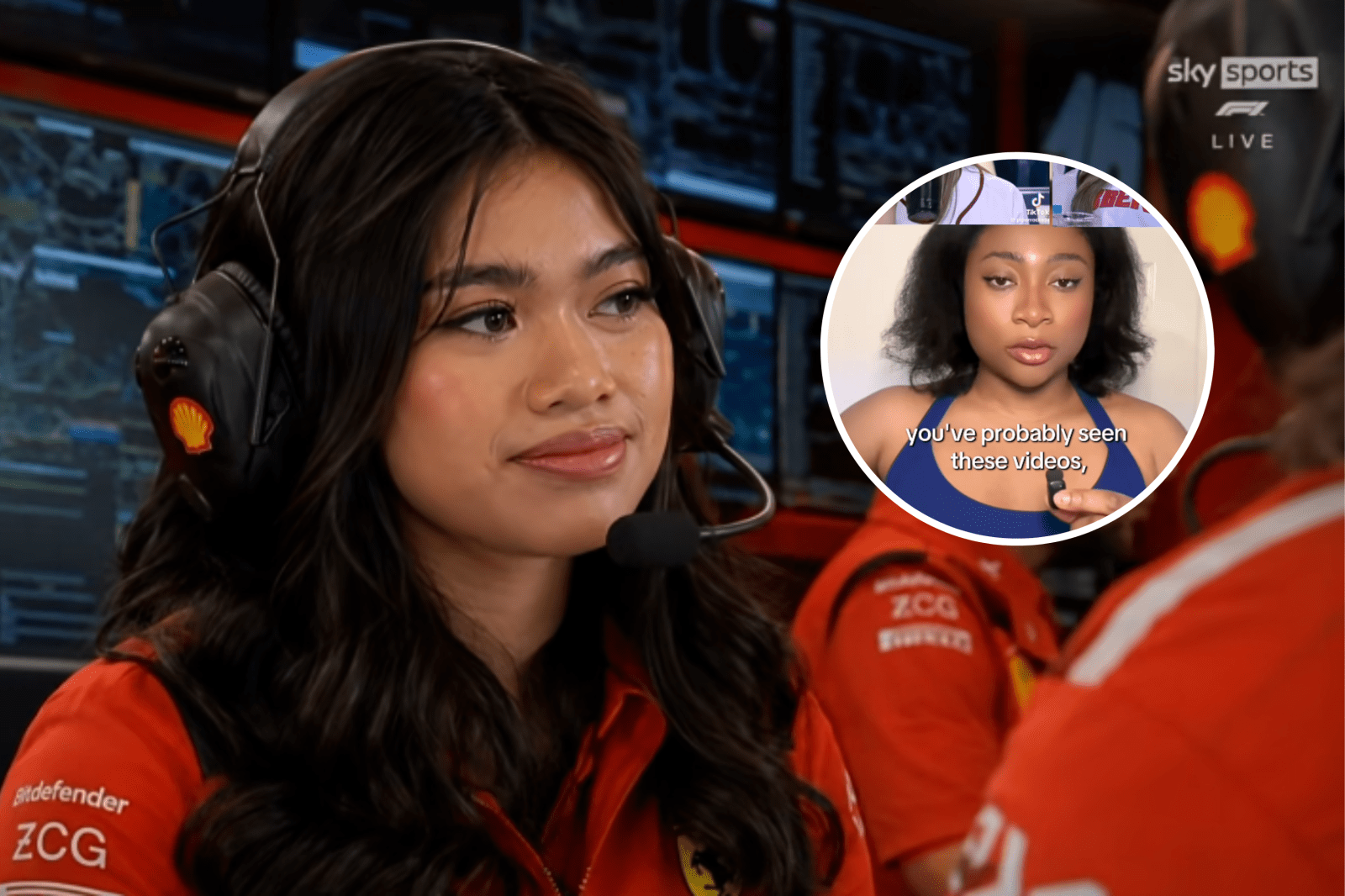
On platforms like TikTok and Instagram, videos of young women courtside at NBA games or walking through Formula One paddocks are trending. They appear authentic, akin to professional sports coverage, but they are not real. These videos are created using AI tools, placing users into luxurious sports settings, celebrity circles, and the world of ‘WAG culture.’ This trend is merging fantasy with aspiration, resulting in captivating online content.
AI Sports Fantasy Videos Gain Popularity
Many of these videos use polished footage resembling sports broadcasts, with AI placing users into the scenes. Examples include users appearing in Formula One garages or alongside celebrities at sporting events. A notable participant, Franell Mauricio, shared an AI video from a Ferrari paddock on May 12, showing the realism of these creations. Mauricio, a Formula One fan, highlighted the thrill of visualizing oneself in such experiences, explaining the trend’s appeal among young audiences.
Appeal of ‘WAG Fantasy’ Culture
Despite its popularity, the trend has faced criticism for being ‘cringe’ or reflecting unhealthy social media habits. Critics question why users simulate elite experiences instead of attending real events. However, supporters view it as more than an AI novelty. TikTok creator Naya remarked on the aspirational and romantic aspects of ‘WAG culture.’ The phenomenon is seen as a ‘modern fairytale’ tied to relationships, luxury, and elite sports culture.
Dominance of Formula One and Tennis in the Trend
The WAG concept has transformed, particularly in sports like Formula One and tennis. Partners of athletes like Lewis Hamilton and Max Verstappen enjoy media attention and brand partnerships, merging elite sports with celebrity culture. Estelle Keeber of Immortal Monkey notes this as crucial to understanding the AI trend’s resonance.
“It’s a mix of aspiration, identity, and internet culture,” Keeber said.
For Gen Z, AI edits represent digital role-play, moving beyond mere photo enhancements to immerse users in admired lifestyles.
Escapism Rather Than Deception
Keeber argues these videos are not deceit but a form of escapism. The audience often recognizes AI-generated content and engages due to its aspirational nature. AI reduces barriers to luxury aesthetics, making them accessible to ordinary users.
Gen Z and the ‘Curated Identity’ Phenomenon
The trend reflects a shift in online identity perception. Social media now serves as a space to create desired life experiences. Despite critiques of AI on environmental and ethical grounds, the emotional satisfaction it provides draws users. Keeber highlights the internet’s reward of aspiration, with AI making it cheaper and more immersive.