
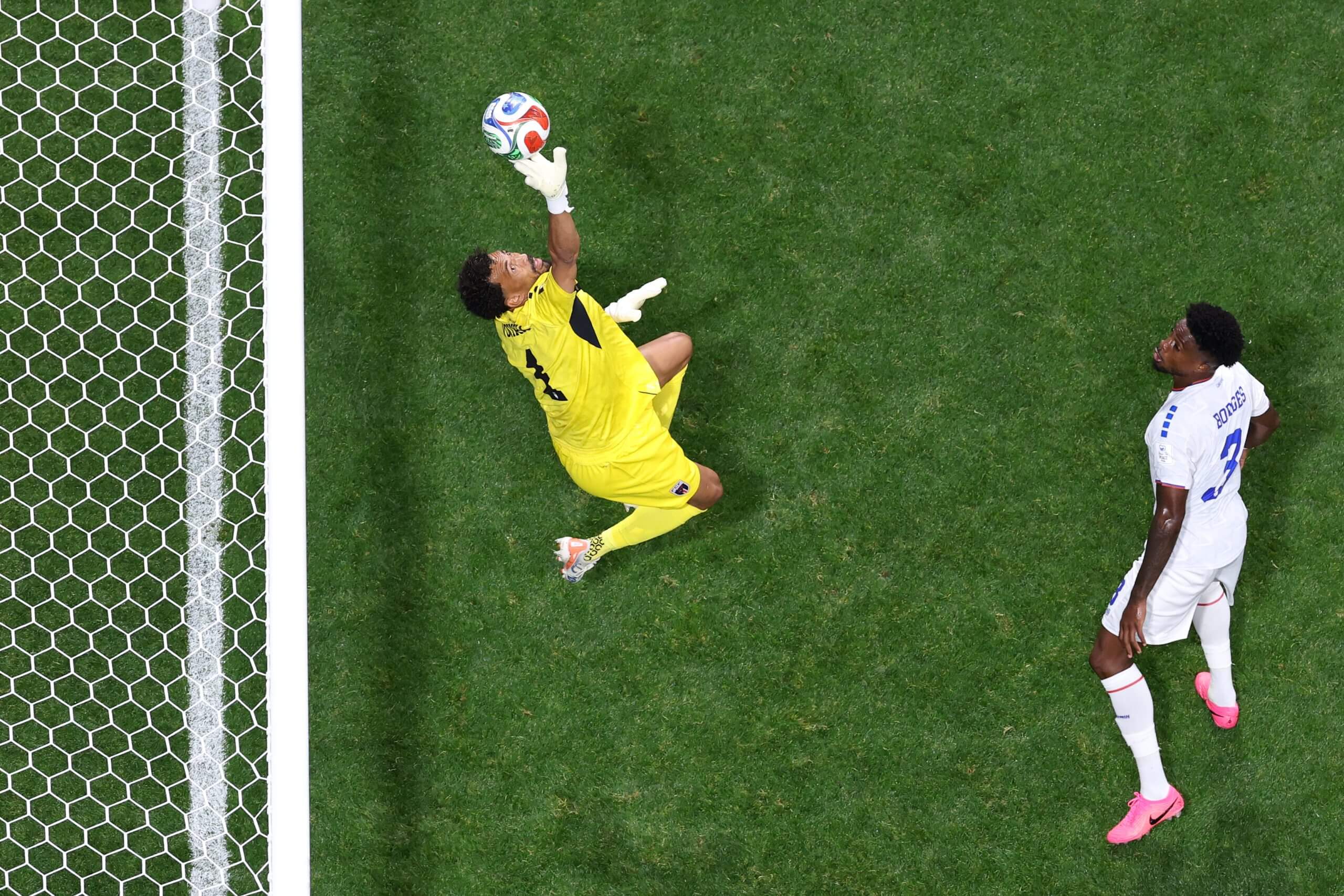
Thibaut Courtois, Belgium’s renowned goalkeeper, offered a striking observation about Iran’s Alireza Beiranvand following their 0-0 draw. Courtois noted, “He’s a good goalie and today he proved it again.” The statement highlighted a psychological phenomenon in goalkeeping often seen during the World Cup—a fusion of confidence, momentum, and circumstance.
Beiranvand isn’t new to the World Cup spotlight. In 2018, he garnered attention by blocking Cristiano Ronaldo’s penalty during a tie with Portugal. Eight years later, he continues to exhibit high-caliber performance.
World Cups often elevate goalkeepers into football folklore. The grand stage magnifies their performances, witnessed by millions. While the occasion is significant, quality should not be overshadowed by the World Cup stage.
Performances like Eloy Room’s during the group stage, where he made 15 saves against Ecuador, would stand out in any competition. His concentration amidst superior opposition was impressive. Similarly, Vozinha of Cape Verde showed exceptional positioning, anticipation, and emotional control in keeping Spain at bay.
Historically, the World Cup accentuates goalkeeping brilliance. Tim Howard’s performance against Belgium in 2014 remains iconic, demonstrating how extraordinary feats are memorized on the grandest stage.
Like other sports, we place immense value on performances under pressure—play-offs, Champions League nights—since they reveal unique ability and psychology. The World Cup can overnight change a goalkeeper’s career trajectory, especially for those from smaller nations.
The psychology of the underdog differs vastly from elite teams burdened by expectation. Smaller nations arrive as heroes merely by qualifying, which unshackles them to focus on seizing opportunity.
Eloy Room exemplifies this mindset. Despite conceding seven goals to Germany, he rebounded with stellar saves against Ecuador, demonstrating resilience often seen in goalkeepers under pressure.
Entering matches as underdogs against teams like Spain creates unique pressure atmospheres where favorites are expected to dominate. Under such conditions, a goalkeeper’s saves can shift momentum.
Courtois rightly pointed out the invincible feeling goalkeepers experience during successful interventions. It doesn’t appear initially but develops as positioning, timing, and handling align perfectly.
Such a ‘flow state’ transforms a goalkeeper’s game presence, enhancing their stature and communication, and signs of confidence become evident.
Opponents notice this shift too, and attackers may start questioning their day, boosting the goalkeeper’s morale further.
The writer recounts experiencing a similar sensation playing for Angelholms against Hammarby. As the underdog, early saves shifted the competitive environment, leading to an emotional post-game reflection.
Room’s emotional reactions after his Ecuador match resonate with goalkeepers worldwide who understand the psychological depth such moments bring.
Goalkeepers, especially from smaller nations, can frequently influence matches due to increased engagement, rhythm, and confidence-building opportunities from regular actions. Being busy during matches keeps goalkeepers sharp and ready.
Ultimately, the pressure of facing many shots is different from periods of inactivity faced by goalkeepers in dominant clubs, where quick decisiveness is key.
Courtois’ observation highlights that World Cups provide stages for exciting moments from goalkeepers who relish underdog status. It echoes the sentiment that these performances capture supporters’ imaginations globally.