
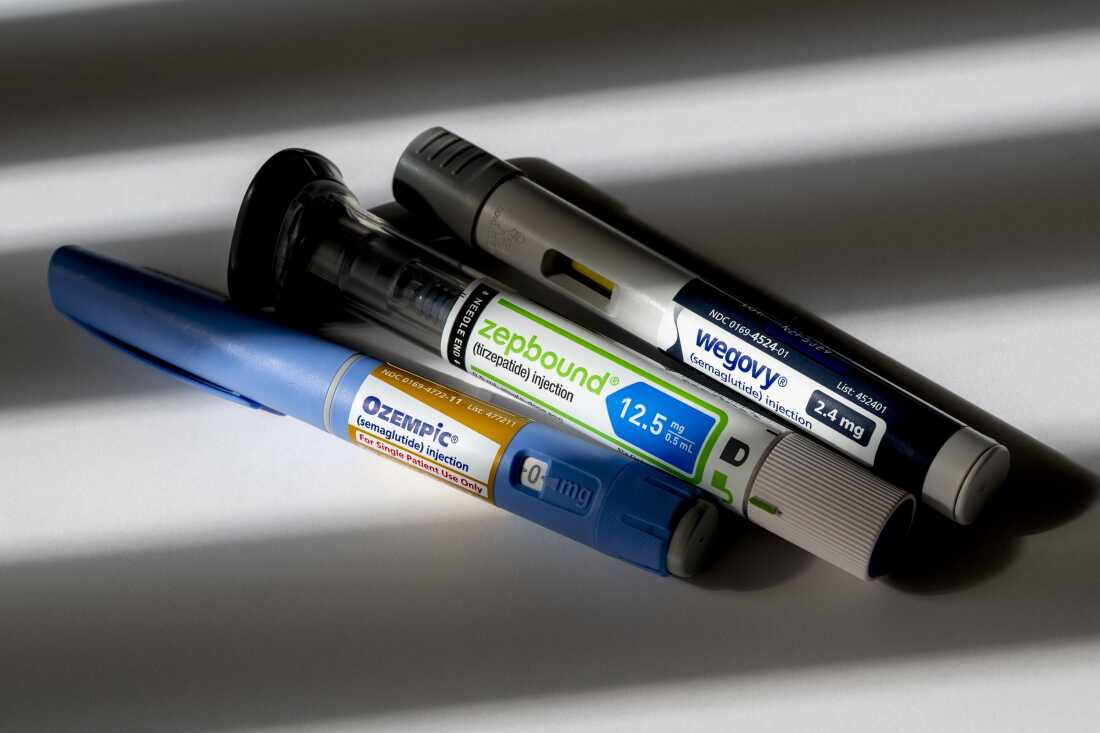
GLP-1 medications, marketed under various brand names, primarily address diabetes, obesity, and sleep apnea. Recent studies suggest they might also lower cancer risk, though research in this area is still emerging.
Several studies indicate that GLP-1 treatments not only reduce obesity-related cancer risks but may also offer anti-inflammatory benefits that suppress tumors. These findings were discussed at the American Society of Clinical Oncology meeting. Among the reviewed studies, one notable research tracked over 10,000 patients with early-stage cancer, revealing that GLP-1s lowered the risk in 6 out of 7 types of cancer. Significant reductions were observed in breast, liver, colorectal, and non-small cell lung cancers. Lesser declines were noted in kidney and prostate cancers, with pancreatic cancer being the least affected.
The positive effects spanned across various cancers, even those not typically associated with obesity. For instance, in non-small cell lung cancer, the rate of progression to Stage IV was 10% for those on GLP-1s compared to 22.3% for others.
Originally, GLP-1 drugs were developed for diabetes treatment, impacting brain and gut hormones to curb hunger and slow digestion. Over time, they have shown potential in addressing obesity, heart disease, sleep apnea, and possibly addiction and cancer.
Correlation and Caution
Experts caution that while the data is promising, it does not conclusively prove GLP-1s as cancer treatments. The studies relied on retrospective medical records, lacking details like patient comorbidities or lifestyle habits. According to Dr. Julie Gralow, chief medical officer of ASCO, the findings align with existing knowledge about how obesity contributes to various cancers and how a healthy lifestyle is crucial for illness management and recovery.
“It ties into a body of knowledge about exercise and healthy lifestyles after a cancer diagnosis.” – Dr. Julie Gralow
Breast Cancer Risk Reduction
Another study linked reduced breast cancer risk with GLP-1 drug use among women aged 45 to 80. Compared with other treatments or lifestyle changes, these drugs provided greater protective effects against breast cancer. Radiologist Elizabeth McDonald from the University of Pennsylvania highlighted that the weight loss associated with GLP-1s didn’t fully account for these effects. She pointed to possible reductions in inflammation, a known cancer driver.
Future Research Directions
New trials aim to understand how GLP-1s affect inflammation and immunosuppression, factors possibly contributing to cancer growth. At Rutgers Cancer Institute, Oncologist Coral Omene plans a study involving 40 breast cancer patients using the GLP-1 drug tirezepatide. Through regular blood tests and abdominal fat cell biopsies, the study hopes to unveil how these drugs interact with hormones and inflammation.
“As we’re treating them, we are going to trace and see how the immune cells are behaving.” – Coral Omene
Such research could lead to optimized use of GLP-1 drugs in cancer prevention and management.