
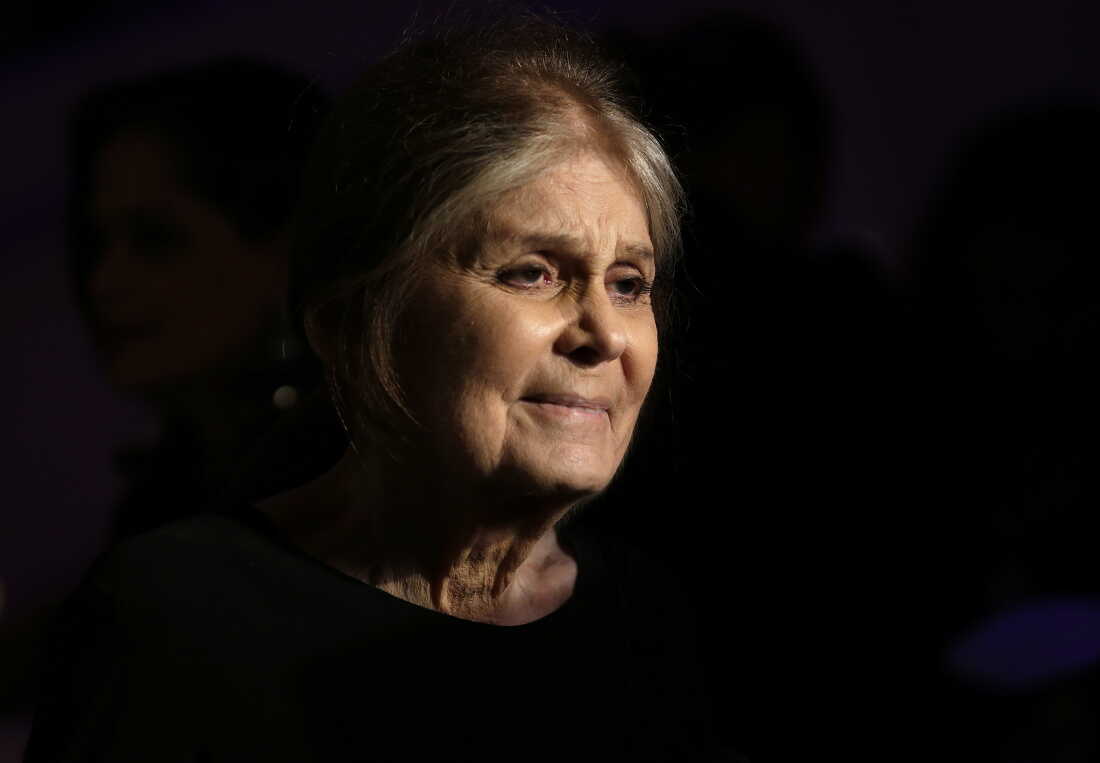
Gloria Steinem stated in a 2005 ‘This I Believe’ essay that every human possesses a unique core self, a result of their environment and heredity. Steinem, a prominent feminist writer and activist, passed away at 92. Her work focused on advocating for women and girls. In later years, Steinem expressed to Terry Gross the liberation from gender demands she felt past adolescence.
In a 2015 interview with Fresh Air, Steinem reflected on childhood independence, saying, ‘Remember when you were 9 or 10 and you were an independent little girl?’ By the age of 60, she found herself free again, able to pursue her own desires.
Steinem, who passed on September 2, played a pivotal role in women’s liberation for over fifty years. She co-founded Ms. magazine in 1971, giving feminist voices a platform. That same year, she also helped establish the National Women’s Political Caucus, pushing for the Equal Rights Amendment and encouraging women to seek public office.
Throughout her life, Steinem spoke against political, social, and economic barriers to women’s rights, highlighting issues like violence against women and reproductive rights. She believed controlling reproduction was central to patriarchy. ‘Every child has the right to be born loved and every person to control their own body,’ she asserted.
On co-founding Ms., Steinem noted, ‘We couldn’t write about political subjects in existing magazines; they limited us to food, makeup, and celebrities. We needed a magazine for feminist voices.’
Steinem recollected her desperate attempts to end a pregnancy at 22, before legal abortion. Realizing the need for change, she later openly discussed her own abortion story, a turning point fueled by shared experiences during an abortion speak-out in New York.
Regarding pressing issues for women, Steinem emphasized the importance of supporting each other in facing daily challenges. She identified violence against women as a global issue, pointing to domestic violence, female genital mutilation, and more. Reproductive freedom was equally crucial, impacting women’s health and education.
Steinem found peace creating a home for herself after years of travel. ‘I didn’t see many women making a home for themselves, only for family,’ she shared.
Her lumpectomy at 52 taught her more about aging than dying. She spoke of lacking role models for entering the ‘last third of life,’ but later felt encouraged. Women, she noted, often find their true selves after 50, shedding societal expectations.
Roberta Shorrock produced this interview for broadcast. Bridget Bentz, Molly Seavy-Nesper, and Beth Novey adapted it for the web.