
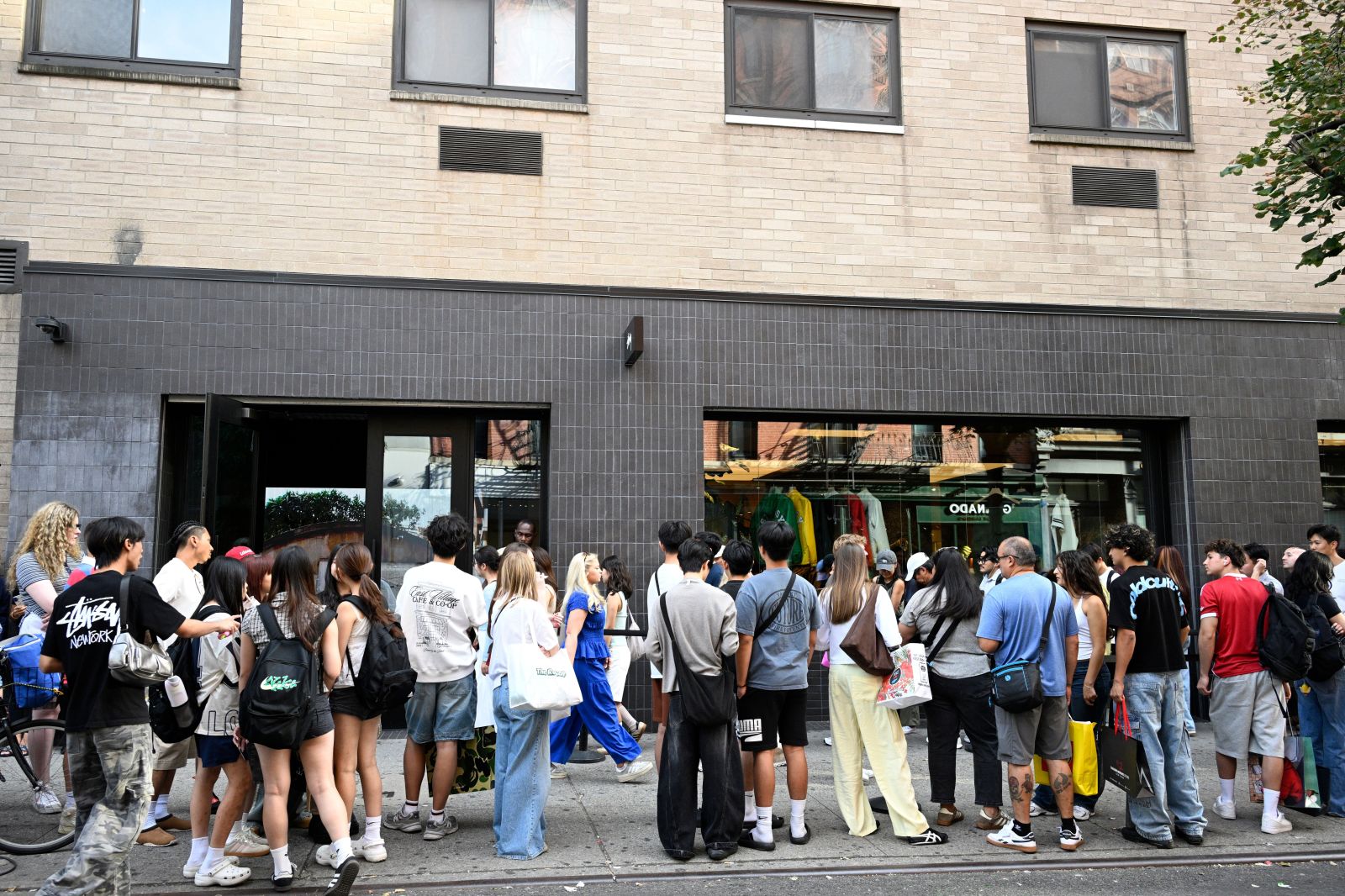
Individuals in the Gen Z age bracket, born between 1997 and 2012, show a strong desire to work diligently and save early. However, these intentions often clash with prevalent spending habits among America’s young adults. Surveys indicate that cost of living remains a major concern for all ages. A July poll reported that 95% of people believe the United States faces an affordability crisis.
Despite these concerns, Gen Z tends to delay saving for major milestones like homeownership. Meanwhile, they engage significantly with the consumption-driven economy. A report from the Bank of America Institute highlights that Gen Z exhibits the “lowest savings-to-spending ratio of any generation.” This trend reveals higher spending compared to accumulated savings each month.
Immediate Gratification and “Little Treat Economy”
Bank of America’s payment data indicates growth in discretionary spending among Gen Z in sectors such as coffee, beauty, and travel. This shows a preference for “immediate gratification” and supports the so-called “little treat economy.” Notably, this spending increase spans all income levels within Gen Z, differing from the “K-shaped” divide seen in other economic sectors.
Savings Goals and Spending Habits
Gen Z, despite facing affordability pressures, shows a commitment to saving. As of the latest data, 66% save in some form, marking an increase from 60% in 2024, as per Bank of America. Around 36% allocate leftover money to savings when possible, 22% contribute to a 401(k), and 21% consistently deposit part of their paycheck into savings monthly.
The rise of “loud budgeting”—where financial goals and limits are openly expressed—has become part of Gen Z’s strategy. Around 42% practice this approach, promoting budgeting and responsible spending. The 2026 Workplace Benefits Report by Bank of America notes that Gen Z is beginning retirement savings a decade earlier than baby boomers, feeling about 5% more confident about comfortable retirement prospects.
Managing Affordability Challenges
Bank of America documents a steady increase in discretionary spending per Gen Z household since March 2025. This suggests they have not significantly cut back on non-essential purchases despite affordability challenges. Meanwhile, a survey from May showed that 42% of Gen Zers live paycheck to paycheck, a figure that jumps to 73% for those earning under $50,000 annually.
A poll from Simon-Kucher in June revealed a majority (51%) of Gen Z individuals are willing to sacrifice long-term financial goals, like saving for a home, to enhance their present-day lifestyle. In comparison, only 22% of baby boomers shared this willingness, although millennial attitudes aligned more closely with Gen Z.
Additionally, 25% of Gen Z respondents report having multiple income streams to support their spending habits. This trend, noted by the Bank of America Institute, sees the rise of gig workers among Gen Z, indicating younger people seek ways to augment their income.