
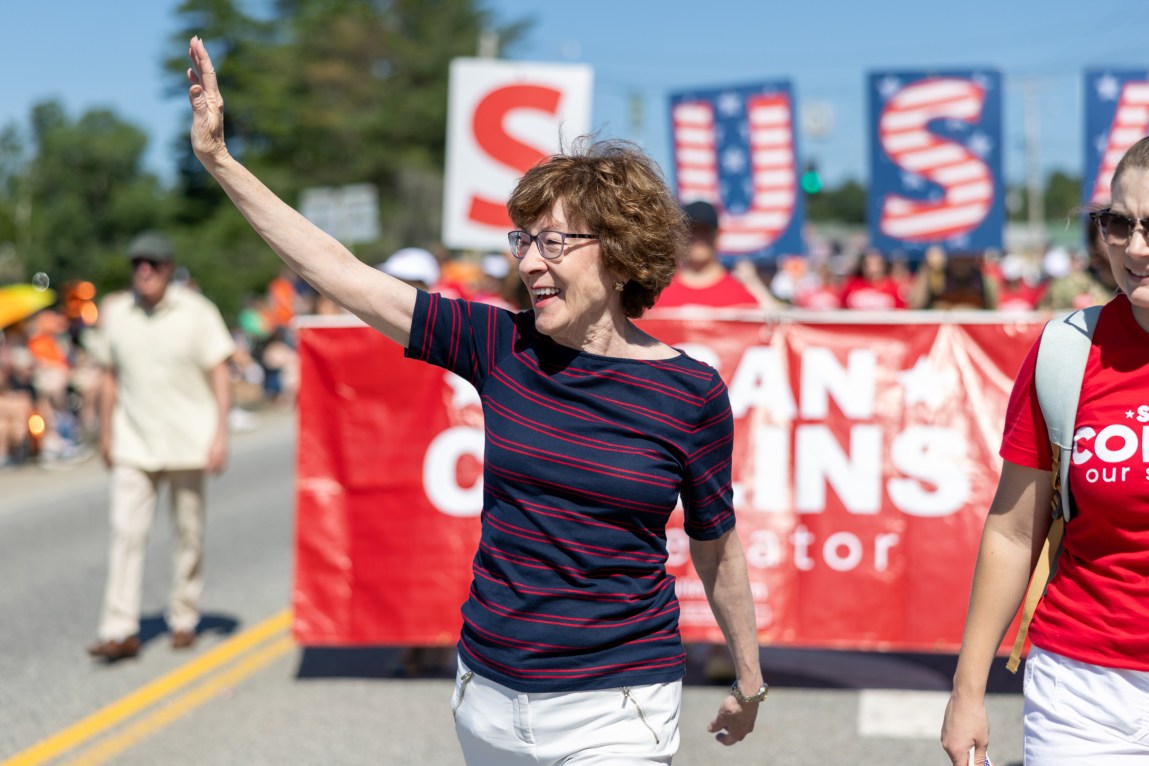
FBI Investigation into Pay-to-Play Allegations
In 2024, the FBI aimed to investigate interactions between Sen. Susan Collins and a prominent donor. Records and emails revealed that the investigation centered on pay-to-play dealings. The donor was a former defense contractor, who confessed to gaining federal contracts by supporting political campaigns financially.
After Donald Trump’s return to office, the investigation halted due to his purge of the FBI. Its closure shut down a potential view into government practices.
During late 2019, Scott Reed, head of Sen. Susan Collins’ super PAC, met with three Navatek executives at a Washington, D.C. coffee shop. President Trump’s low approval ratings affected Collins’ campaign funding negatively.
Despite legal prohibitions, Navatek offered donations for future government contracts. Reed confirmed to Navatek’s CEO, Martin Kao, that Collins would know the donation source.
Emails show, two months afterward, Collins committed to securing $32 million in naval contracts, following a $150,000 donation to her super PAC via a shell company.
Kao’s Confession and Investigation Developments
During discussions with FBI agents, Kao revealed his operation entangled key congressional figures. He provided a comprehensive account of trading cash for contracts, naming involved individuals. FBI agents faced challenges, but the evidence indicated potential high-level bribery.
Trump’s return led to personnel changes in the FBI and DOJ, ceasing investigations into public corruption. FBI spokesperson rebuffed claims against Collins, dismissing any implication.
Navatek’s Strategy and Influence
Under Kao, Navatek developed strategies targeting appropriations committee members for contracts. Creating projects with local universities, Navatek made donations to support the targeted members. Despite congress eliminating earmarks, appropriations allowed specific budget allocations for contractors.
Navatek standard practice included drafting budget language favoring their proposals, eventually leading to contracts despite little practical utility.
Engagement with Sen. Collins
Kao recalled his payment-related visit with Collins, noting her support for Navatek’s Maine-based initiatives. Despite denials from Collins’ office, emails viewed by FBI agents suggested otherwise.
Kao proposed donations as political leverage, with the expectation of securing government funds for Navatek. The Collins campaign integrated such exchanges into its operations.
Fallout and Legal Challenges
The Campaign Legal Center’s scrutiny of Collins’ super PAC indicated anomaly in donation origins, leading to Kao’s downfall. Facing fraud charges, Kao attempted cover-up strategies through Navatek’s funds.
Convicted of finance and fraud crimes, Kao later cooperated with investigators, linking corruption practices to politicians. However, the Trump administration’s DOJ effectively buried the investigation.
Kao’s detailed revelations about congressional engagement suggested widespread exploitation of appropriations. As of late 2024, potential investigations faltered due to political retribution.