
Fair housing organizations have filed a lawsuit challenging a federal rule change that might reverse decades of lending protections. They argue this could lead to discrimination against minorities, including Black and Latino communities.
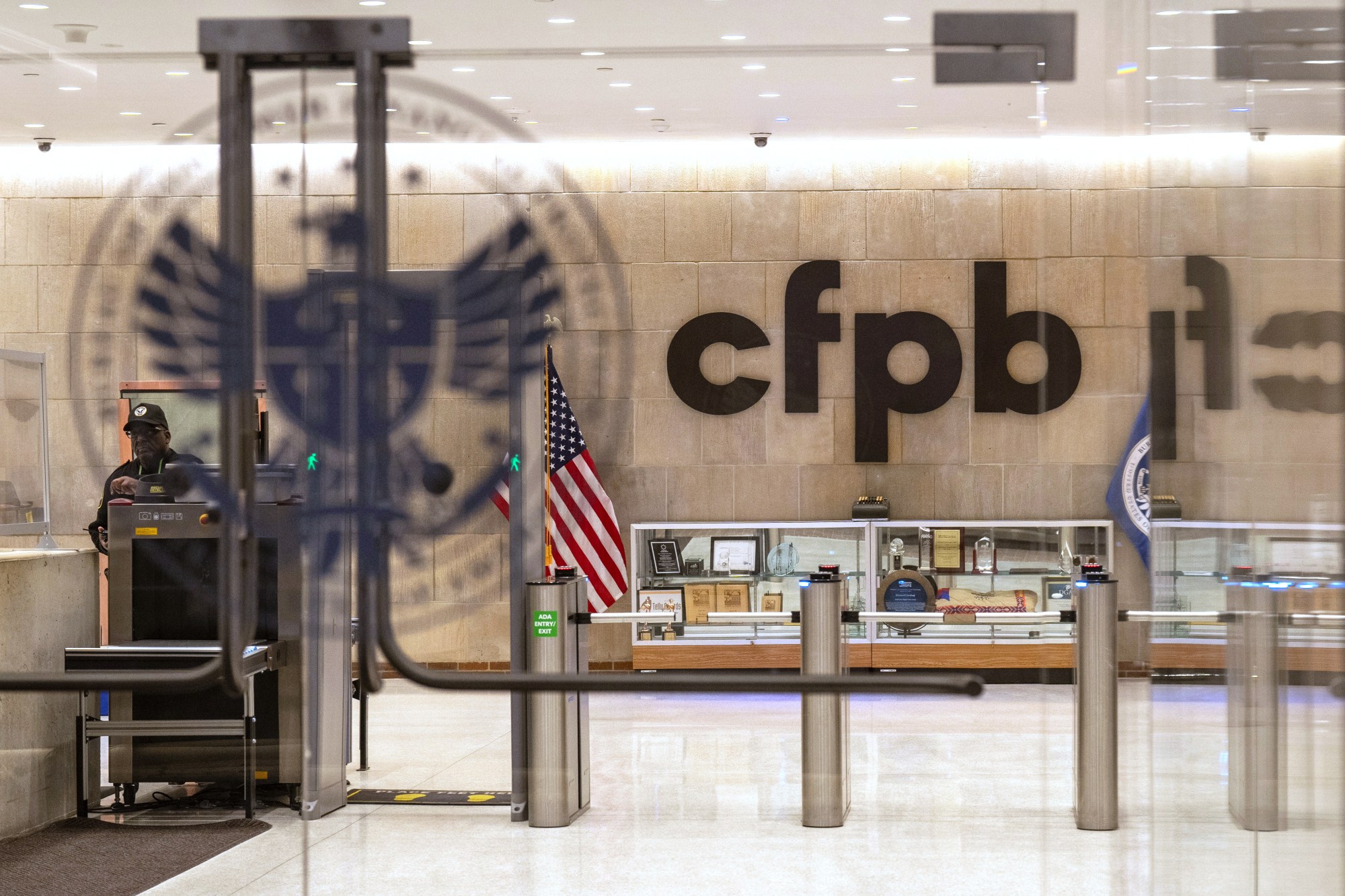
The lawsuit targets a recent amendment by the Consumer Financial Protection Bureau (CFPB) to the Equal Credit Opportunity Act. This Act prohibits lenders from discriminating against credit applicants. The contested change suggests that lenders would no longer need to consider “disparate impact,” which refers to policies that seem fair but disproportionately affect certain groups.
Critics claim this new rule would allow lenders to market only in predominantly white neighborhoods. This situation may force minority communities to use risky, high-cost lenders offering predatory loans with high interest rates.
“This is the deliberate dismantling of 50 years of legal jurisprudence, regulatory guidance, and bipartisan consensus that lending discrimination has no place in America,” said Lisa Rice, CEO of the National Fair Housing Alliance.
Paulina Gonzalez-Brito, CEO of Rise Economy, emphasized that the changes ignore public feedback and longstanding precedent. She warned that this could negatively impact consumers and small businesses who should be protected from financial abuse and discrimination.
The CFPB has not commented on the lawsuit. However, plaintiffs assert these changes are part of a broader attempt by the government to remove fair housing and lending rules. They also noted reductions in staffing and budget for housing-related programs and agencies.
Past legal settlements highlight ongoing discrimination issues. In 2023, City National Bank faced a $31 million settlement for alleged discrimination against minority communities. In 2016, BancorpSouth had to pay $10.6 million for discriminatory lending practices.
The lawsuit calls for the court to overturn the rule, claiming it oversteps statutory boundaries and fails to adhere to legal processes. Plaintiffs argue that the rule deviates from the longstanding approach of both the CFPB and its predecessor, the Federal Reserve Board, regarding the enforcement of the Equal Credit Opportunity Act.