
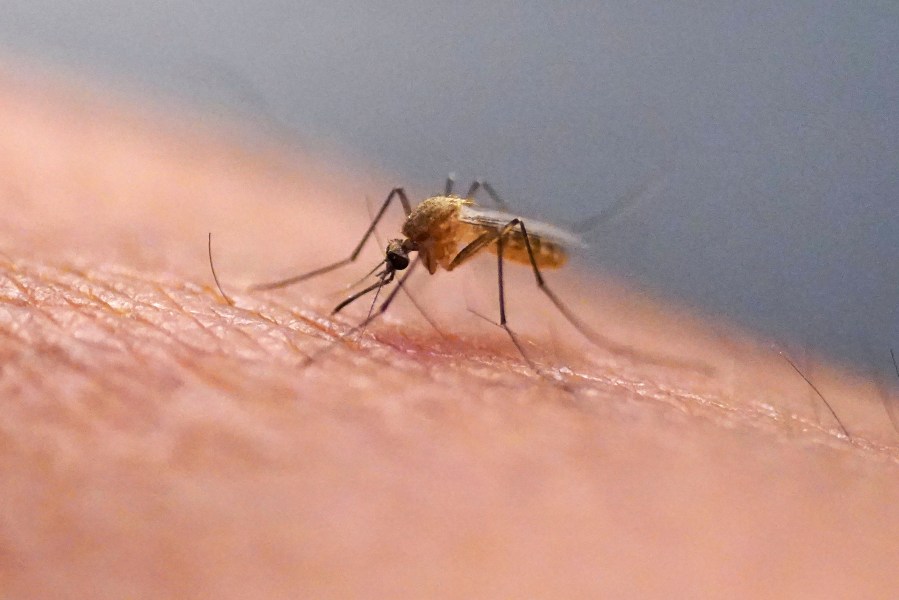
Google is making strides beyond software debugging with a unique project aimed at reducing disease-carrying mosquito populations. The company is seeking federal approval to release up to 32 million mosquitoes in California and Florida as part of its ‘Debug’ program. This initiative focuses on using sterile mosquitoes to combat dangerous species.
The Centers for Disease Control identifies mosquitoes as the deadliest animals globally. With over 3,500 mosquito species, Aedes aegypti stands out due to its role in spreading diseases like dengue fever, Zika, and chikungunya, impacting millions each year. Traditional methods such as pesticides and eliminating standing water are becoming less effective. Recognizing this challenge, Google advocates for an innovative solution.
The solution involves releasing ‘good’ mosquitoes, specifically male mosquitoes carrying the naturally occurring Wolbachia bacteria. These mosquitoes cannot reproduce with wild female mosquitoes, reducing the harmful mosquito population over time. Male mosquitoes do not bite or spread diseases, making them a safe choice for this technique.
Google emphasizes that the method is chemical-free, toxin-free, and does not involve genetic modification. They’ve combined scientific and engineering expertise with international collaboration to release mosquitoes effectively. The approach draws from decades of pest control practices while integrating modern data analytics, sensors, and automation to expand the Sterile Insect Technique.
The program’s FAQ highlights collaboration with governmental bodies, community leaders, and research institutes. Google ensures engagement with communities where work is planned to address local concerns.
Federal approval is sought for mosquito releases in both California and Florida. According to the Environmental Protection Agency, up to 16 million mosquitoes will be released in Florida in the project’s first year and another 16 million in California the following year. The public can participate by providing feedback through the Federal eRulemaking Portal using docket number EPA-HQ-OPP-2025-3951.
Further information can be found on Google’s ‘How we stop bad bugs’ webpage, which details the Debug program’s workings.