
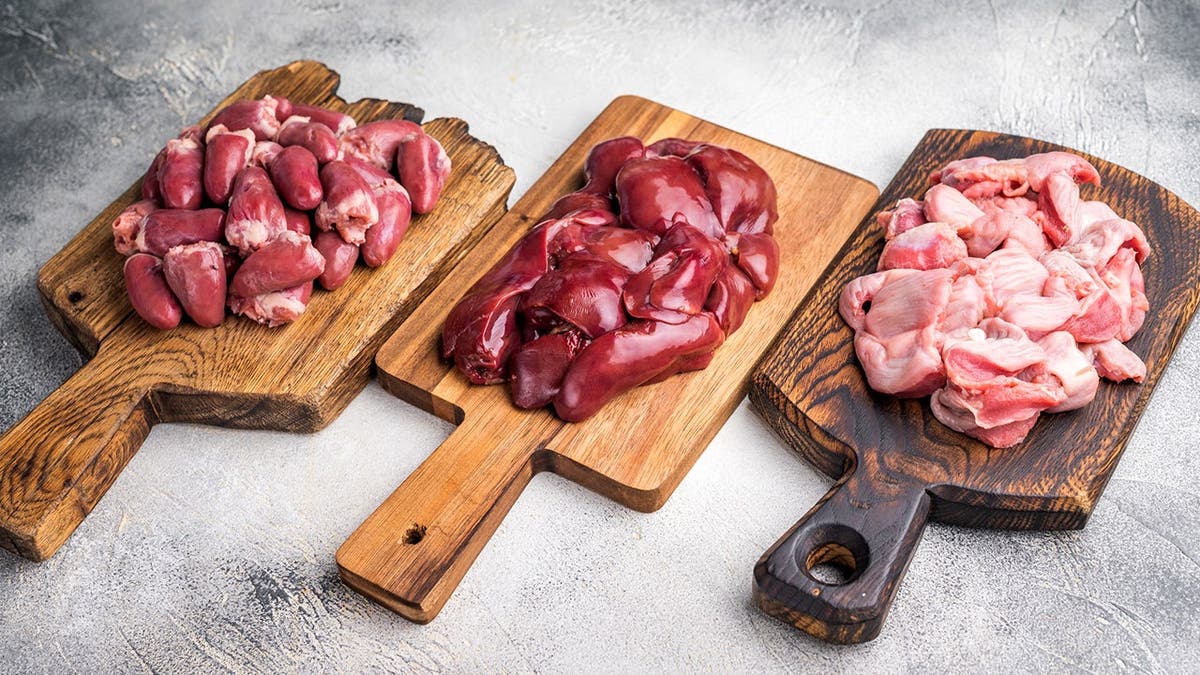
Organ meats, known as offal, are among the most nutrient-dense yet economical food options available. Despite their nutritional benefits, many Americans avoid them.
Offal includes organs such as kidneys, liver, and heart. These meats contain high levels of protein and typically offer more vitamins and minerals than premium muscle cuts. The Cleveland Clinic emphasizes their nutritional superiority.
A 3-ounce serving of beef liver, often called “nature’s multivitamin,” contains about 70.7 micrograms of vitamin B12, according to the National Institutes of Health. In comparison, the same amount of top sirloin steak contains only 2.41 micrograms, as per the U.S. Department of Agriculture.
Organ meats also offer significant cost savings. They can be priced 50% to 90% cheaper than popular cuts like filet mignon and ribeye based on some estimates. For instance, USDA Choice beef liver costs $3.39 per pound on Instacart, whereas USDA Choice beef loin top sirloin is priced at $14.29 per pound.
“Organ meats, or offal cuts, like liver, contain higher concentrations of vitamin A, B vitamins, copper, folate, and iron than commonly consumed meat cuts,” stated Roxana Ehsani, a registered dietitian from Washington, D.C. “They may also have higher levels of cholesterol and saturated fat.”
Organ meats were a staple in American diets before World War II. During the war, citizens were urged to consume offal, leaving muscle cuts for the military. Offal remains popular in other countries, with dishes like tripe, haggis, foie gras, and pâté using these “variety cuts.”
As domestic demand for organ meats declined, beef producers focused on exporting them. According to a Michigan State University Extension report from 2025, organ meats made up 22% of U.S. beef exports, generating nearly $1.1 billion in revenue in 2024.
Several factors contributed to offal’s decreased popularity in America, including its association with poverty and wartime rationing. The shift to large-scale meatpacking emphasized efficiency, overshadowing organ meat processing, which is labor-intensive.
Despite these challenges, “nose-to-tail” or “ancestral” eating, which includes organ meats, is regaining popularity. Health and Human Services Secretary Robert F. Kennedy Jr. endorses liver as a “very, very affordable” option. The Make America Healthy Again movement supports the consumption of nutrient-dense foods, protein, and red meat.
To accustom modern palates to organ meats’ intense flavors and textures, Ehsani recommends gradually incorporating them into meals. A practical suggestion is mixing organ meat with ground beef in familiar recipes, such as pasta dishes, and adding fresh or dried herbs and spices to enhance flavor.