
Virginia is facing higher taxes and new regulations, which has prompted an economic competition with West Virginia. Governor Patrick Morrisey of West Virginia aims to attract businesses and workers from Virginia by offering lower taxes and fewer regulations.
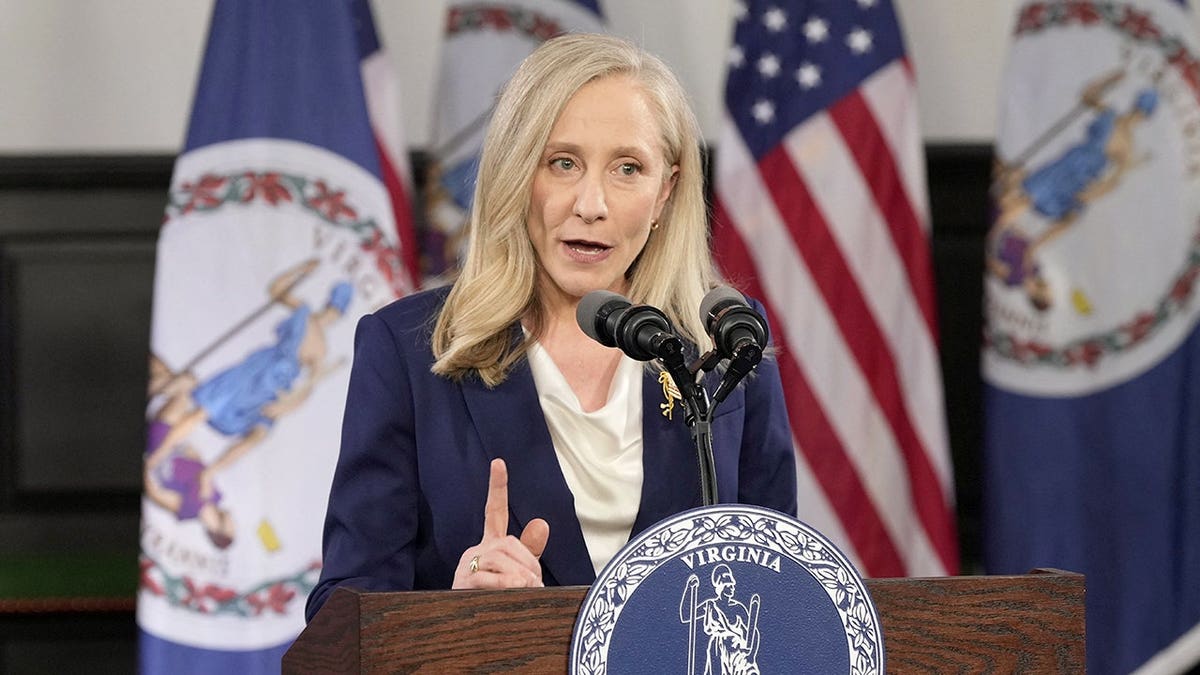
While Virginia Governor Abigail Spanberger has an ‘affordability agenda,’ there is potential for neighboring states to lure businesses due to the proposed tax increases and regulatory changes initiated by legislative Democrats. Although some proposals have not reached her desk, the political environment has sparked competition.
Morrisey plans to present the advantages of West Virginia’s economic environment to communities in Virginia, including Loudoun County. He announced a new 275-acre commercial tax district in West Virginia, expected to bring $200 million in investment.
The Eastern Panhandle of West Virginia, known for its apple industry and industrial plants, is pivotal to this strategy. Morrisey emphasized that while Virginia imposes higher taxes, West Virginia offers fiscal responsibility and a competitive tax climate for businesses.
Berkeley and Jefferson Counties in West Virginia, bordering Virginia and Maryland, are highlighted as models for regional business and tourism. There is a trend of Washington, D.C.-area workers moving to this region despite longer commutes.
Though Virginia Democrats have proposed sweeping gun bans, Morrisey is focused on economic expansion, creating areas for special tax districts where state revenues are directed to counties.
State Sen. Jason Barrett crafted economic plans highlighting benefits for the region, including tax structures that don’t adversely affect the state budget. New economic districts are established in several West Virginia locales.
The influx of new residents and increased tax base aims to boost visibility for regions like Berkeley and Jefferson Counties as travel destinations, utilizing district revenue for youth sporting events.
While Virginia sought tax hikes, Morrisey implemented a 5% income tax cut and aligned state tax codes with federal provisions under former President Donald Trump.
Governor Spanberger has announced her own economic tour in Virginia, focusing on building a supportive economy for all Virginians without signing major tax changes. Her administration has emphasized economic plans in Harrisonburg and Fairfax.
Despite ongoing challenges in southern West Virginia with the energy sector, population growth and rising revenues enable tax cuts, contrasting Virginia’s focus on new taxes and regulations.