
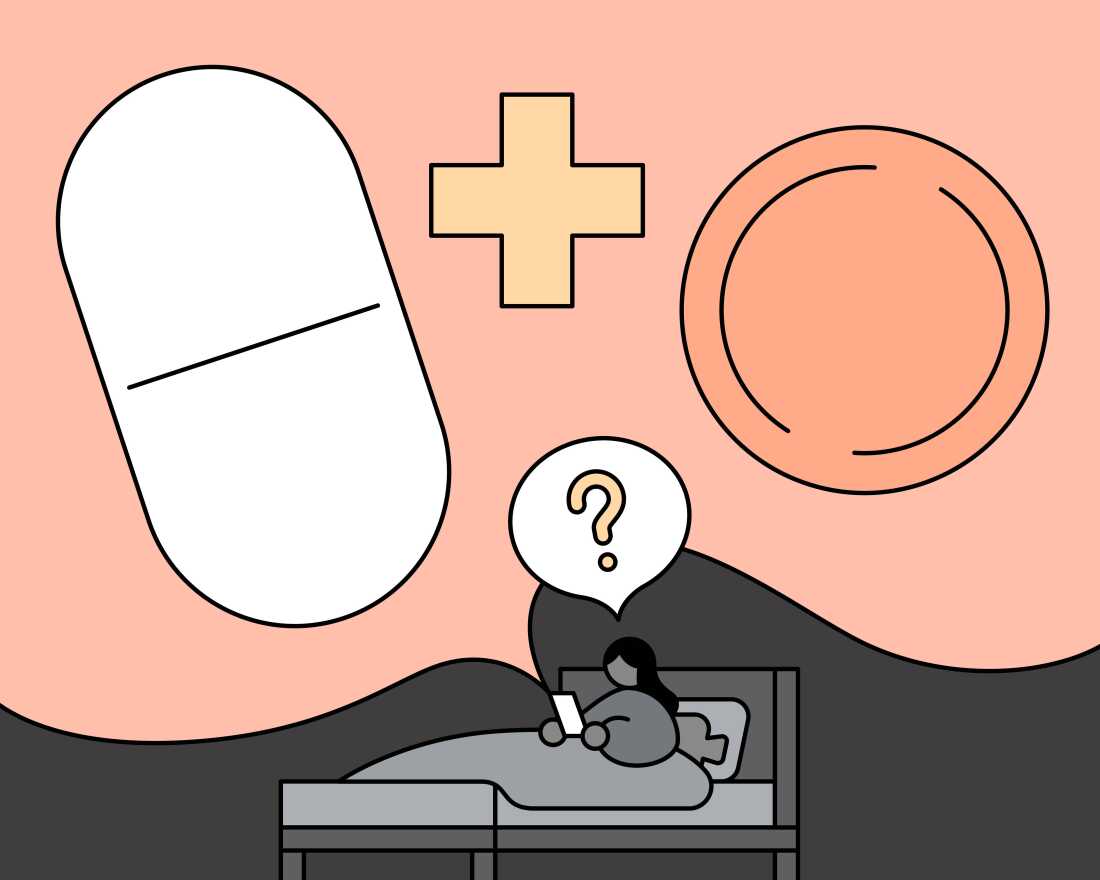
For individuals feeling particularly unwell in the days preceding their menstrual cycle, relief is reported through a new TikTok trend. This trend involves combining two over-the-counter drugs: an allergy pill, such as Claritin or Zyrtec, alongside Pepcid AC, known for its heartburn relief.
Terese Hansen from Omaha, Nebraska, is among those who have explored this unconventional method after enduring years of unexplained symptoms. Hansen shared how she suffered from persistent nausea, heartburn, erratic body temperatures, constant anxiety, and exhaustion. Her discomfort intensified around her period. Inspired by TikTok videos, she noted how other users claimed this combination alleviated symptoms of premenstrual dysphoric disorder (PMDD), a condition marked by depression and anxiety due to hormonal shifts. After consulting with her doctor, Hansen decided to try the trend. She observed a marked change in her physical symptoms, energy levels, and mood. Her family, friends, and colleagues noticed the improvement.
The claim arises from TikTok users who assert that a mix of allergy medication and Pepcid AC can ease premenstrual irritability and enhance energy levels. Women experiencing perimenopause have also reported similar benefits.
The Evidence
Clinical trials validating the safety and efficacy of this trend have not been conducted. Leigh A. Frame, executive director at George Washington University’s Office of Integrative Medicine & Health, emphasizes the absence of concrete evidence supporting its effectiveness. Despite this, experts suggest a plausible biological rationale involving histamine.
Histamine is released by the immune system upon allergen exposure, leading to inflammation. Evidence suggests histamine levels may fluctuate with menstrual cycles. Estrogen plays a role in histamine release, peaking and declining monthly, while progesterone reportedly acts as a natural antihistamine which decreases before menstruation. During perimenopause, both hormones fluctuate unpredictably, potentially causing mood swings and discomfort. Dr. Mara Rivera, an Austin-based psychiatrist, explains how Pepcid AC and allergy pills, as histamine blockers, may replace the antihistamine effect of progesterone. This could account for mental health improvements related to neurotransmitter systems like serotonin and dopamine. Some patients have noted mental health benefits when using antihistamines for allergies. Rivera sees this trend as reflective of historical remedies, acknowledging the anecdotal truth in common practices amongst women.
A possible placebo effect is at play, suggests Dr. Tami Rowen, a gynecologist at UCSF. The placebo effect can yield benefits regardless of medication efficacy; hence, real relief may result from this over-the-counter combination. Prevalent treatments for perimenopause and PMDD are limited, and further research is advised.
A Temporary Fix, Not a Cure
Frame cautions that there’s no clinical proof supporting this trend. Concerns arise that people may use these medications without understanding the root cause of their symptoms, which could stem from hormonal fluctuations, poor sleep, or thyroid issues. Achieving a healthy menstrual cycle should not be painful, and the trend underscores an urgent need for women’s health research advancement.
The Conclusion
While there’s no empirical data backing their use for PMDD or PMS, it could be reasonable to try these medications temporarily before consulting a specialist. Frame advises discussing new medications with healthcare professionals as Pepcid AC and allergy drugs are generally low-risk but not without potential downsides, such as drowsiness, dry mouth, gastrointestinal symptoms, and adverse interactions, especially for older adults or individuals with kidney or liver concerns.