
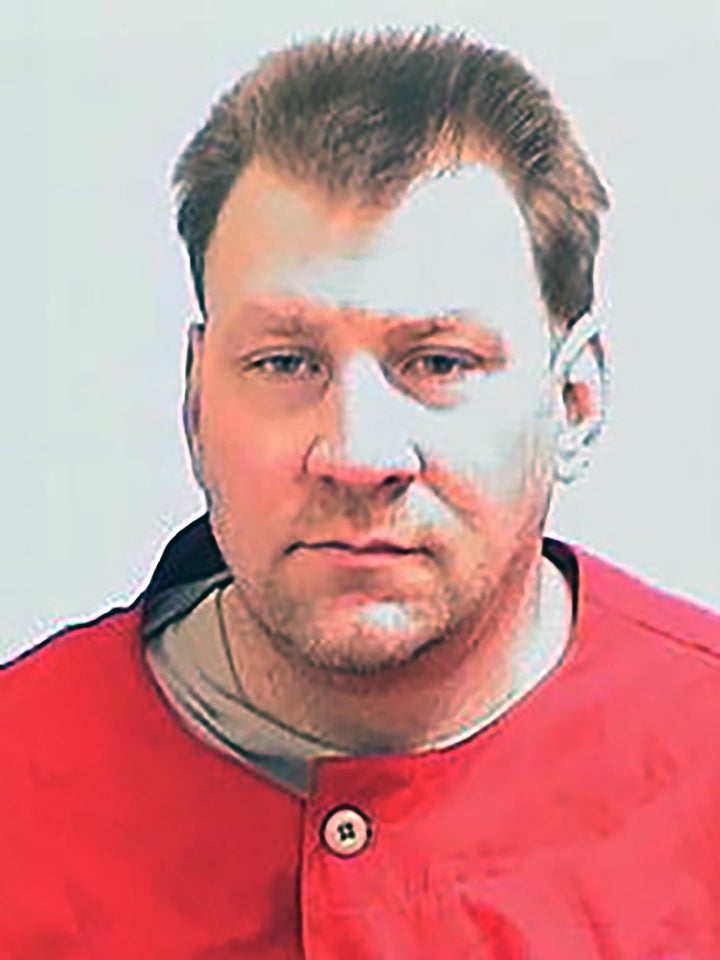
An Indiana man, Jeffrey Weisheit, who confessed to killing his girlfriend’s two children, was executed early Thursday. Weisheit set his girlfriend’s home in the Evansville area on fire in 2010, resulting in the death of the children, aged 8 and 5. The execution took place at the Indiana State Prison in Michigan City, with the lethal injection being administered just after midnight. Weisheit was pronounced dead at 12:45 a.m., according to Noelle Russell, chief communications officer of the Indiana Department of Correction. His final meal consisted of barbecue ribs, and he chose not to deliver any final words.
The same day, Florida and Alabama prepared to carry out executions. This marked the second instance this year where three executions occurred on the same day in the United States. Florida, under Republican Governor Ron DeSantis, has reached nineteen executions this year, matching a record previously set in 2025. It was the first execution for Indiana this year.
The death penalty’s implementation faced scrutiny after the unsuccessful execution of Christa Pike in Tennessee last September. Despite the incident, courts have dismissed attempts to halt further executions. The lethal drug used in executions has been a point of contention, as Weisheit’s objections included the state’s use of drugs from a pharmacy facing a disciplinary hearing. Nonetheless, Indiana’s correction department expressed confidence in its execution procedures.
Indiana’s Republican Governor Mike Braun dismissed appeals for reconsideration of Weisheit’s death penalty. His lawyers argued that he had a history of head injuries and mental health issues. However, Braun declined to grant brain scans or to reduce the sentence. Following the execution, Braun stated that the case underwent numerous judicial reviews without overturning the sentence. Indiana Attorney General Todd Rokita remarked that the execution brought justice for the young victims, Alyssa and Caleb Lynch.
In Florida, Jesse Guardado was set to be executed after confessing to the murder of a 75-year-old woman in 2004. He fatally stabbed the woman in her Walton County home and stole valuable items to fund his drug habit. A federal appeals court confirmed that Guardado received a comprehensive hearing during his sentencing phase, leading to the upholding of his death penalty. Florida has contributed to half of the 32 executions in the U.S. this year, aligning with Governor DeSantis’ commitment to delivering justice to the affected families.
Michael Taylor faced execution in Alabama, decades after committing a brutal crime at 19. Taylor was convicted of murdering an older couple with a metal bar during a robbery. Despite calls for clemency from death penalty opponents, Republican Governor Kay Ivey refused to reduce Taylor’s sentence, noting his past actions. Taylor’s execution by lethal injection proceeded as planned after a legal challenge to nitrogen gas as an execution method was overruled.