
Impact of Ansar Allah on Global Energy Trade
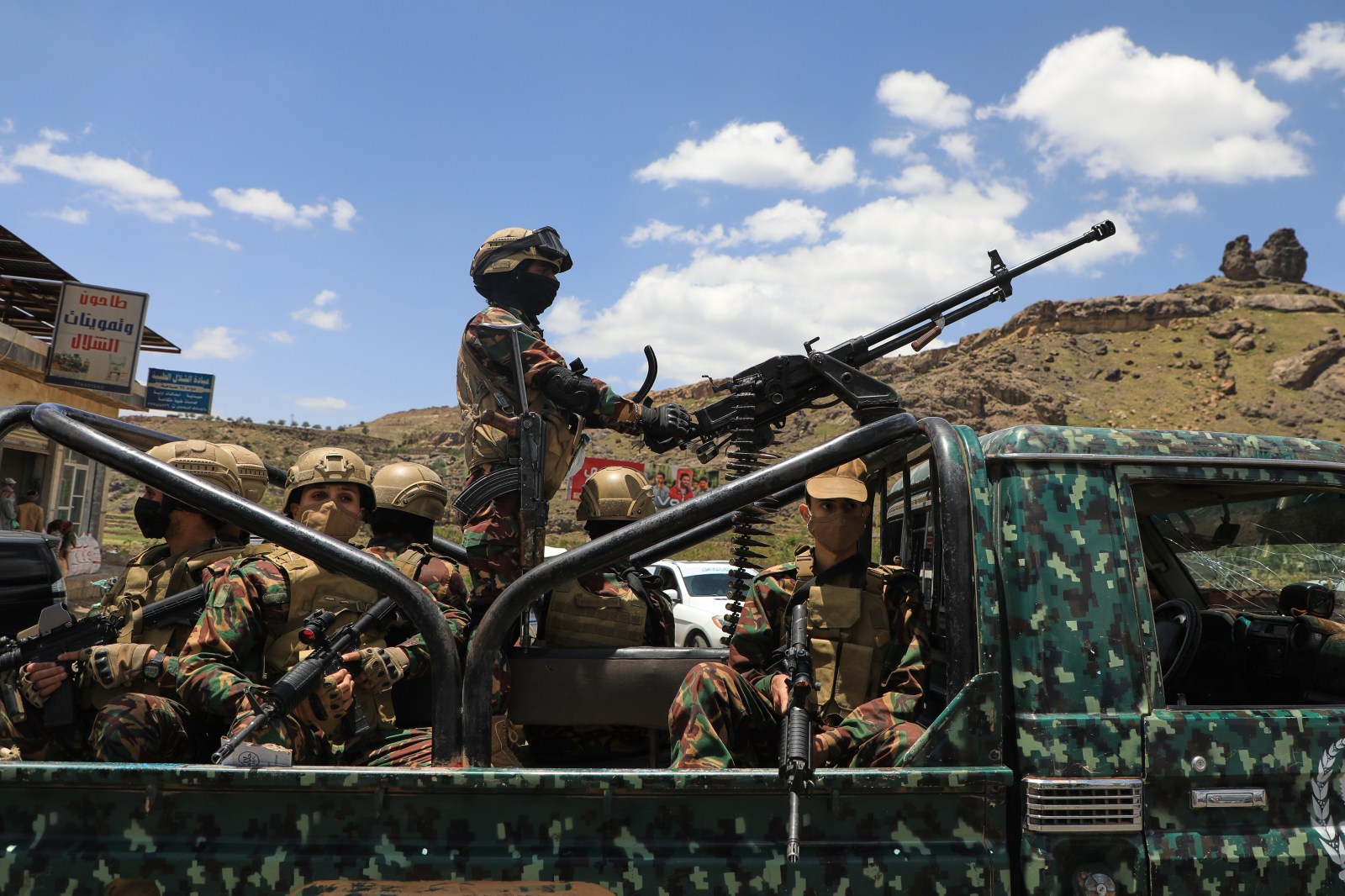
Ansar Allah, known as the Houthis, continues to disrupt global energy dynamics. Their intensified strikes on Saudi Arabia and rapid offensives against opposition forces have significant implications. The Houthis now control the Bab el-Mandeb, a crucial shipping corridor leading to the Suez Canal. This corridor’s strategic importance is heightened due to existing Iranian and U.S. blockades at the Strait of Hormuz.
The situation poses challenges for Saudi Arabia facing issues like a strike on its East-West pipeline. U.S. consumers should brace for rising fuel costs amid ongoing tensions. Possible escalation involves a complete invasion or intervention to support Yemen’s struggling government, yet both Saudi Arabia and the U.S. hesitate to commit ground forces, relying instead on airpower, deemed inadequate for holding territory in Yemen.
Historical Context of Foreign Intervention
The current situation mirrors past failed foreign interventions in Yemen. In 2015, Saudi Arabia led a coalition following Ansar Allah’s capture of Sanaa. This move allowed Yemeni government forces to regroup but failed to dislodge Ansar Allah from controlling significant territory and population.
Decades earlier, in the 1960s, Egypt attempted to influence Yemen’s civil war but faced a disastrous outcome. More than 10,000 Egyptian soldiers died between 1962 and 1967, ultimately undermining Egypt’s preparedness for the 1967 Arab-Israeli War.
Western parallels include the U.S. withdrawal from Vietnam in 1973 after significant losses. In recent times, the collapse of the U.S.-backed Afghan government following U.S. withdrawal highlights the limits of foreign intervention against entrenched adversaries.
Escalations and Saudi Arabia’s Strategic Decisions
While another war would be costly, the price of inaction is also high. Saudi Arabia has carried out airstrikes against Ansar Allah targets but hasn’t coordinated efforts to retake Sanaa. Reports suggest that President Trump denied air support requests from Crown Prince Mohammed bin Salman, despite discussions between U.S. and Ansar Allah representatives.
Tanker traffic through the Strait of Hormuz remains low due to Iranian threats. If Ansar Allah blocks the Bab el-Mandeb, it would significantly affect global trade and Saudi Arabia’s economy, critically impacting Crown Prince Mohammed’s Vision 2030 initiative.
Saudi analyst Salman Al-Ansari argues that Saudis, supported by allies, might need to wage war on multiple fronts. He sees a role for international powers to respond effectively.
Future Scenarios and Diplomatic Prospects
The Houthis seem ready for major conflict, viewing themselves as well-prepared for any escalation. Crown Prince Mohammed, responsible for the 2015 intervention, faces tough choices—avoiding full-scale war while addressing Houthi expansion within Yemen.
Saudi ground force commitment seems unlikely, but intensified support for allied forces in regions like Marib is anticipated. U.S. air support and intelligence-sharing may aid Saudi-backed forces against Ansar Allah offensives.
Beyond military action, increased blockades on Houthi-controlled territories are possible, though risky. Meanwhile, granting Ansar Allah legitimacy or offering financial incentives might quell hostilities, though Saudis see this as unlikely.
Sheline suggests negotiations might resolve the conflict faster than military escalations. Signs of potential U.S. openness to talks exist as Trump signals a desire to withdraw from ongoing Iran-related conflicts sooner.