
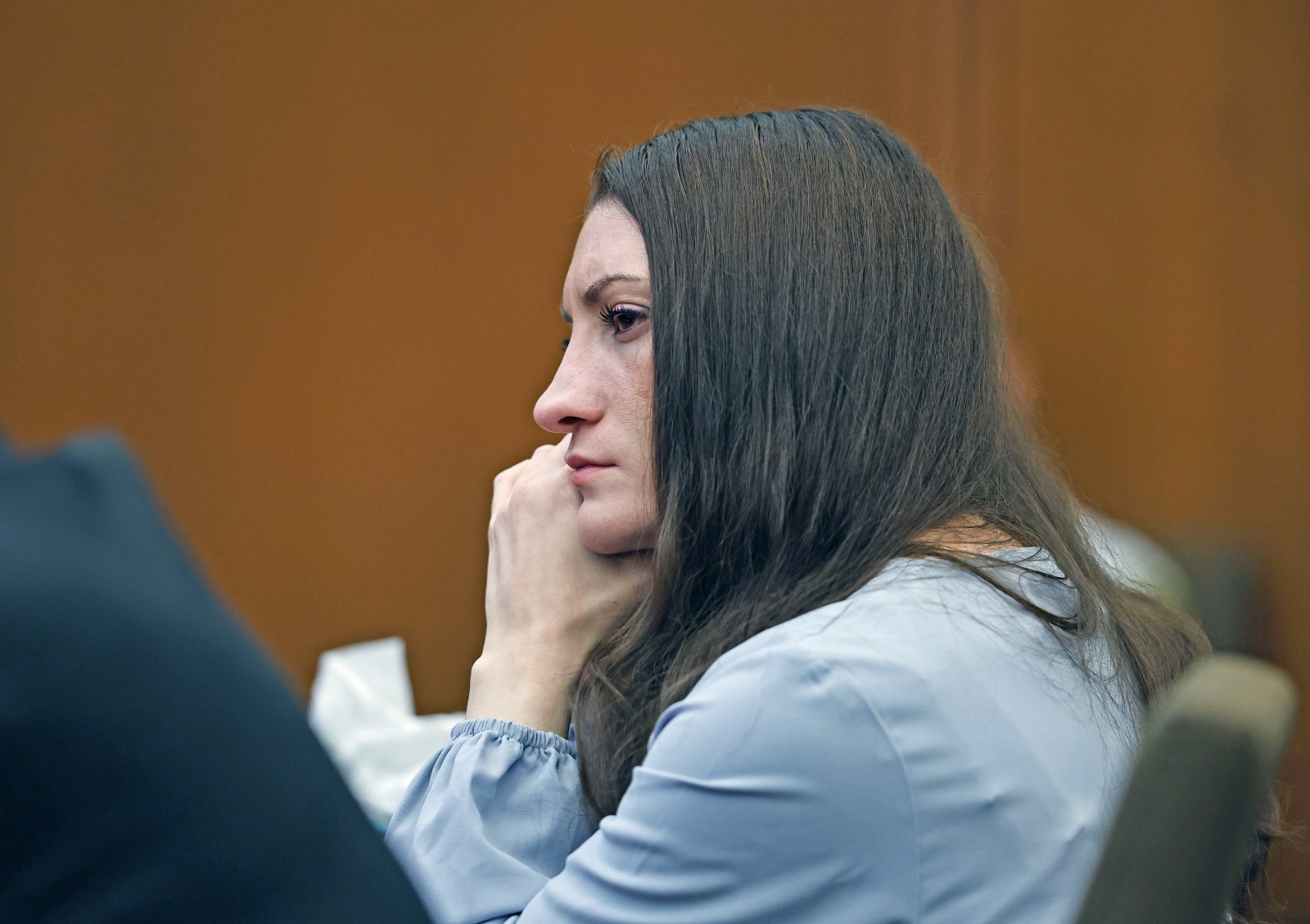
Jurors were visibly moved Thursday during the closing arguments of Lindsay Clancy’s trial. The defense and prosecution provided contrasting accounts of the Massachusetts mother’s state of mind when she killed her three children.
Defense Argument
Defense attorney Kevin Reddington asked jurors to view Clancy as a mother suffering from postpartum psychosis, bipolar disorder, and inadequate medical treatment. He argued she reached out for help but was failed by the system. Reddington emphasized Clancy’s catastrophic psychiatric deterioration, describing her as a committed mother. His argument emotionally impacted the jury.
Prosecution Argument
Assistant District Attorney Jennifer Sprague acknowledged Clancy’s mental illness but maintained it did not prevent her from understanding the wrongfulness of her actions. Sprague’s narrative focused on the children’s suffering, portraying the killings as intentional. Her depiction of the children deeply affected the courtroom, drawing tears from jurors and Clancy.
“Discarded on the basement floor like broken toys.”
Key Moments During Closing Arguments
‘My God, What Does She Have to Do?’
Reddington argued Clancy unsuccessfully sought psychiatric help, criticized her medical treatment, and expressed profound frustration over the tragedy. The defense argued Clancy’s actions were due to psychiatric decline.
The Courtroom’s Heated ‘Quarters’ Moment
An unusual moment saw Reddington use quarters to emphasize evidence manipulation accusations against prosecutors. Sprague later used the quarters to counter the defense’s claims, illustrating the day’s combative atmosphere.
‘Broken Toys’: Brutal Imagery
Sprague invited the jury to focus on the children, suggesting Clancy was indifferent to their suffering. Her description vividly illustrated the horrific nature of the acts, affecting the jurors and Clancy emotionally.
Errands and Prosecution’s Theory
The prosecution emphasized planning involved in Clancy’s husband’s errands. Sprague argued an episode of psychosis wouldn’t exhibit such deliberate actions. The defense argued organized behavior doesn’t negate psychosis.
Clancy’s Understanding of Right and Wrong
The trial centers around whether Clancy appreciated the wrongdoing of her actions. The defense claims her mental illness prevented this acknowledgment. The prosecution counters that her mental illness doesn’t absolve responsibility.
Possible Verdict Outcomes
- First-degree murder: Life imprisonment without parole.
- Second-degree murder: Life imprisonment with the possibility of parole.
- Manslaughter: Up to 20 years in state prison.
- Not guilty: Acquittal on grounds of failed proof beyond reasonable doubt.
- Not guilty by reason of lack of criminal responsibility: Commitment to psychiatric facility.
What Happens Next?
Jurors began deliberations Thursday afternoon, continuing without a verdict. They will resume Friday morning. If they cannot agree, a mistrial could occur, leading to a potential retrial.
Contact Newsweek editors on this story: Samantha Beech and Gray R. Thomas