
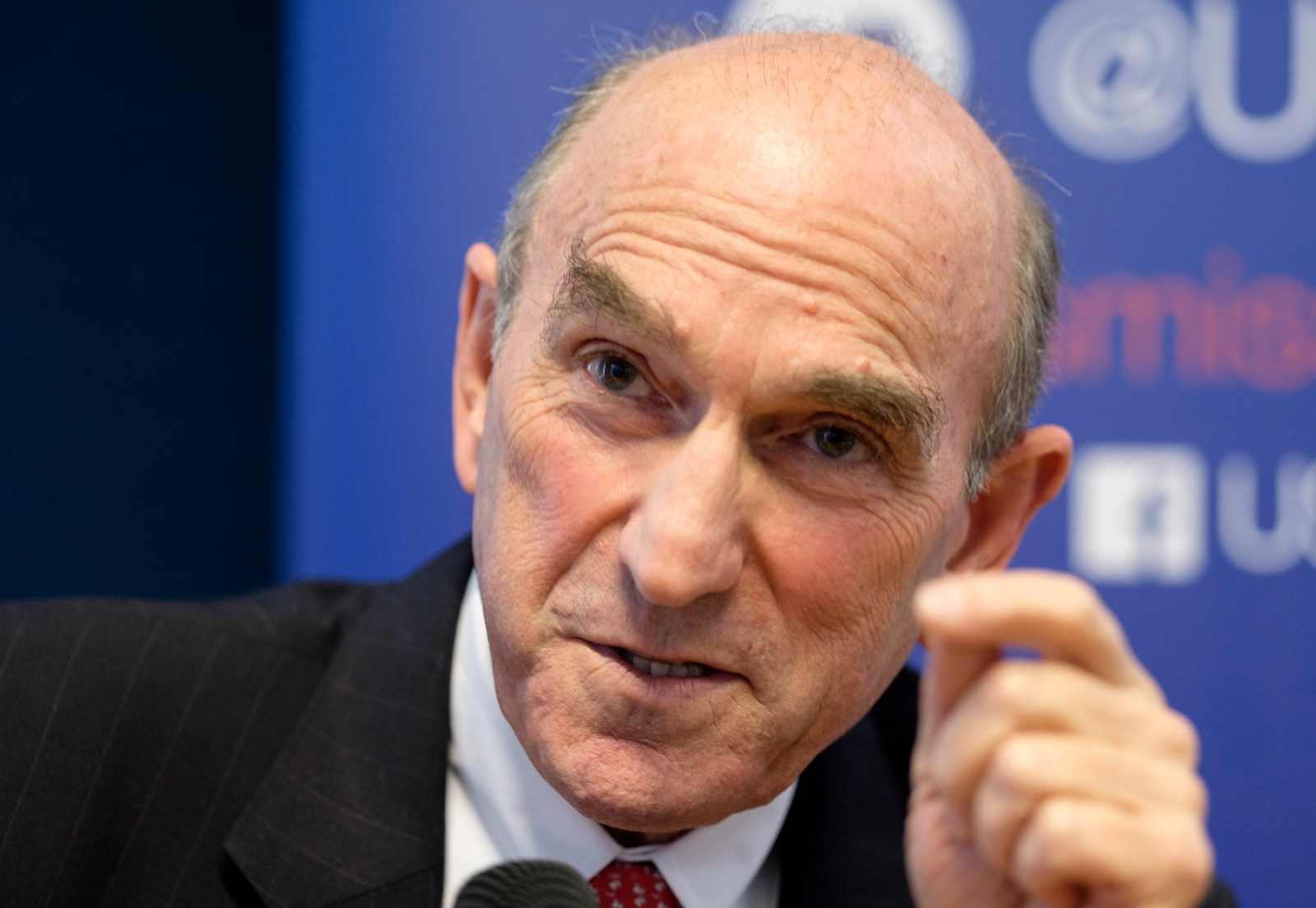
Background on Elliott Abrams and Venezuela Policy
Elliott Abrams, who helped shape the Trump administration’s initial Venezuela policy, supported Washington’s backing of acting President Juan Guaidó with the goal of removing President Nicolás Maduro. Nine months after Maduro’s ousting, Abrams has shifted from a supporter to a critic of the administration’s strategy.
Abrams Condemns Oil Deal
In a Washington Post op-ed, Abrams criticized the new oil arrangement with Venezuela’s interim government, calling it a “shameful sellout.” He argued that the deal strengthens interim President Delcy Rodríguez’s power, as it involves an oil company, North American Blue Energy Partners (NABEP), run by Venezuelan businessman Alejandro Betancourt.
This arrangement grants NABEP 100-year rights to 17 oil fields containing 65 billion barrels and provides the U.S. State Department rights to purchase 20% of NABEP’s output at production cost. The U.S. Department of War receives a 35% equity stake in NABEP’s parent company.
Controversial Agreement Faces Opposition
The arrangement faces criticism from across Venezuela’s political spectrum and highlights Betancourt, who gained prominence during Presidents Hugo Chávez and Maduro’s regimes. He is under legal investigation for money laundering allegations tied to Venezuela’s state oil company.
Through NABEP, Betancourt is set to control most of the awarded oil fields. The U.S. State Department defends the deal by citing Betancourt’s track record.
Abrams on Venezuela’s Political Transition
Abrams discussed the deal and Venezuela’s future political transition in a Newsweek interview. He expressed concerns about the administration’s lack of commitment to democracy in Venezuela, emphasizing that Delcy Rodriguez and her brother Jorge Rodriguez are delaying negotiations to maintain power. He criticized Trump for not prioritizing the setting of an election date and implementing arrangements for free elections.
Shift in Trump’s Venezuelan Policy
Abrams noted a significant shift in the Trump administration’s approach since supporting Juan Guaidó, with the current focus favoring interim President Delcy Rodríguez despite her low popularity among Venezuelans. Abrams warned that the oil deal incentivizes Trump’s desire for Rodríguez’s continued power.
U.S. Involvement and Rubio’s Role
During Trump’s first administration, a different team strongly supported Venezuelan democracy. Mike Pompeo and National Security Advisor John Bolton were involved, as was Ambassador Jimmy Story. Trump’s personal involvement was limited.
Senator Marco Rubio, formerly a critic of the Venezuelan regime, is reportedly developing closer ties with the Venezuelan government. Abrams sees this approach as potentially risky, given that current U.S. partners are Rodríguez and Betancourt, who are associated with the Chavista-Maduro regime.
Concerns About Alejandro Betancourt
Betancourt’s involvement is controversial due to his connections with Chávez and Maduro and legal issues in Switzerland and Spain. Abrams views the partnership with Betancourt as detrimental for those advocating for clean governance and free enterprise.
Abrams’ Alternative Approach
Abrams believes the first step is pressuring Rodríguez for an election date in 2027, followed by releasing political prisoners and facilitating the return of exiles. These measures are critical to channeling Venezuelans’ frustrations positively.
U.S. Credibility and Soft Power
Increased reliance on oil deals may harm U.S. credibility in Latin America, suggesting that past speeches about democracy were insincere. Abrams emphasizes the importance of the U.S. associating with democracy to maintain soft power influence in the region.
Maria Corina Machado’s Popularity
Despite Trump distancing from Maria Corina Machado, she remains popular among Venezuelans. Machado’s separation from the controversial oil deal only strengthens her position as a leading opposition figure.
Delcy, Jorge Rodriguez, and Diosdado Cabello’s Role
Abrams pointed out that the Rodriguez family has maintained Maduro’s dictatorship by oppressing political opponents and causing massive Venezuelan exiles. Their historical actions undermine their ability to rebuild Venezuela.
Abrams’ Recommendations
Focusing on democracy promotion, Abrams suggests setting an election date and freeing political prisoners. Encouraging negotiations with the military is essential to ensuring stability in a democratically transitioning Venezuela.