
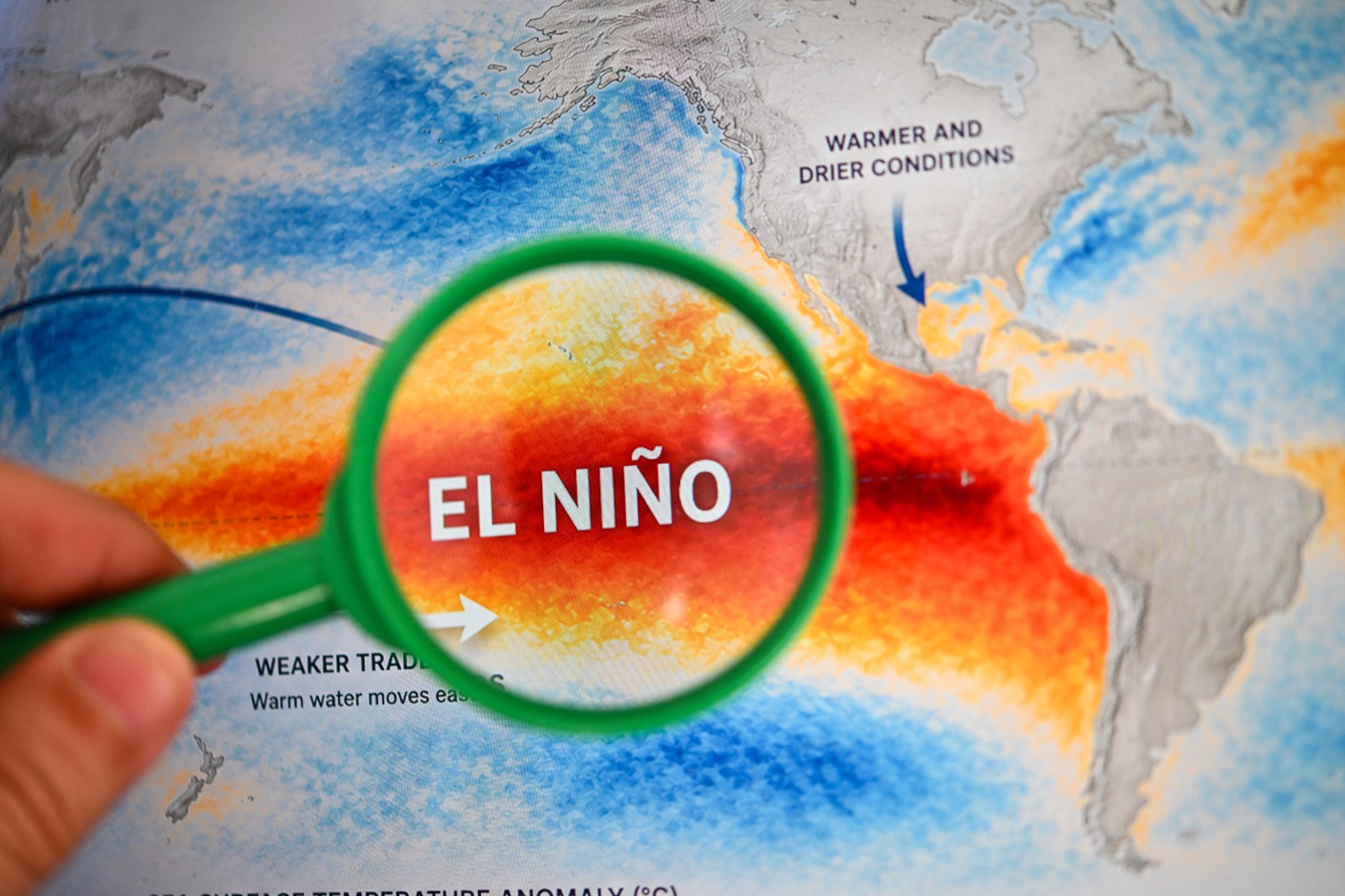
Forecasters Warn of Severe El Niño
El Niño is intensifying in the tropical Pacific. Experts predict it may reach exceptional levels, impacting global weather into 2027. The National Oceanic and Atmospheric Administration (NOAA) estimates a greater than 90 percent chance of a strong event during the fall and winter. The World Meteorological Organization (WMO) expects El Niño to peak late in 2026 and potentially be the strongest since 1950, according to AccuWeather.
Understanding El Niño
El Niño, part of the El Niño-Southern Oscillation (ENSO), represents a warm Pacific phase affecting global weather. La Niña, its counterpart, is the cooler phase. Typical effects include stormier Southern U.S. weather, drier Northern regions, and changes in hurricane activity. Though “Super El Niño” isn’t a formal classification, it describes particularly intense events.
Monitoring El Niño Development
Public focus should remain on El Niño’s progression. Meteorologist Alex DaSilva from AccuWeather notes the ENSO 3.4 region measures sea-surface temperatures against climatology. If El Niño breaks records, 2027’s temperatures might be the warmest yet.
NOAA Projections
“In its August 13 update, NOAA predicted El Niño strengthening into 2026’s end, with a 90 percent chance of a strong event in the Northern fall and winter.”
A historic event likelihood of 69 percent from October to December was noted by NOAA, potentially stronger than events since 1950. While El Niño impacts may rise with intensity, they aren’t guaranteed.
WMO Outlook
The WMO confirms El Niño’s establishment, foreseeing intensification. Its Global Producing Centres report a near 100 percent likelihood of persistence through February 2027. Warm tropical Pacific conditions signal further strengthening, with potential rainfall and temperature alterations accompanied by flood, drought, and heat risks. Multi-model forecasts show increased September to November temperature probabilities. However, intensity doesn’t solely dictate effect severity.
AccuWeather Predictions
AccuWeather hurricane experts are confident in “Super El Niño” development during Hurricane season’s latter half. The 2026-27 event may be the strongest since 1950. Lead Meteorologist Paul Pastelok emphasizes impact importance over record status, predicting Atlantic and Pacific basin effects with wind shear limiting Atlantic storms, maintaining Pacific activity as expected. Active southern storm tracks and warmer northern parts are forecasted for the U.S., with continuing West drought conditions.
Today’s El Niño, according to DaSilva, marks the strongest recorded if considering daily values. For record declaration, El Niño must sustain and strengthen over months.