
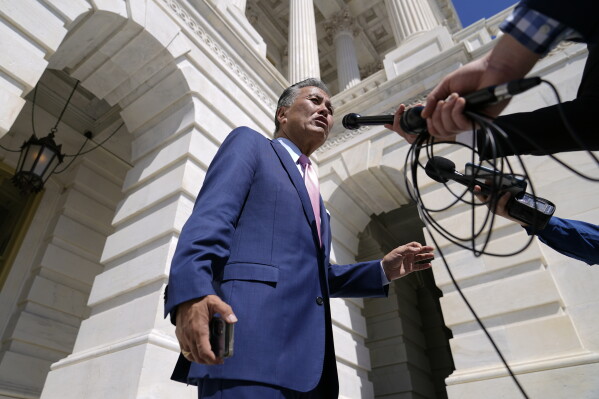
In a recent conversation, Rep. Mark Takano, a congressman from California, reflected on unsettling reports from his home district. Last Fourth of July, he learned about immigration patrols sweeping through Southern California communities. One resident shared a story of needing to carry a passport for proof of citizenship. With personal ties to the Japanese American incarceration during World War II, Takano drew parallels between past and present.
His parents, U.S.-born citizens, were among those labeled ‘enemy aliens’ and placed in camps during the war. Takano sees similar rhetoric today, as current policies suggest immigrants present a national security threat. “Arguments now mirror those from the past,” he explained, linking the past treatment of Japanese Americans to modern immigration enforcement.
The immigration strategy championed by President Donald Trump promises the most extensive deportation in U.S. history. Thousands are detained and deported, echoing past injustices. Recent deaths of U.S. citizens, Renee Good and Alex Pretti, during protests in Minneapolis highlight the urgency. The White House adjusted its leadership, appointing Markwayne Mullin as Secretary of Homeland Security, aiming to change the narrative of these actions.
Despite these changes, Trump faces pressure from conservative groups to persist with an annual target of deporting a million individuals. Republican allies are backing these efforts with substantial funding. Meanwhile, Takano, a key Democrat in the House Veterans’ Affairs Committee, uses his family’s history to challenge these policies. “History views that period as a failure by our leaders,” he stated, urging reflection on current decisions.
Personal and Family History
Takano, once a high school history teacher, deeply understands his family’s past. His grandfather, Isao Takano, left Hiroshima for the U.S., marrying a U.S.-born citizen, Kazue Takahashi. They settled in Bellevue, Washington, running a farming business. During World War II, they were among 120,000 Japanese Americans forcibly relocated.
Takano’s father, William, was just two when sent to the Tule Lake camp. His mother, Nancy, also experienced confinement at a young age in Wyoming. These family stories resonate with Takano, shaping his views on today’s immigration policies. His speech on the House floor criticized Trump-era detention facilities, likening them to historical injustices.
Historic Redress and Future Hope
Learning from the past, Takano’s father shared with him the family’s history, including stories of service in the 442nd Regimental Combat Team. Inspired, Takano’s father contributed to the redress campaign, which culminated in the Civil Liberties Act of 1988. This legislation, signed by President Ronald Reagan, offered a formal apology and restitution to those unjustly detained.
Takano’s family received an apology and compensation as part of this redress. Now, discussions in Congress explore similar compensation for those affected by recent immigration enforcement. Takano hopes for acknowledgment of today’s mistakes, believing the nation can emerge stronger.