
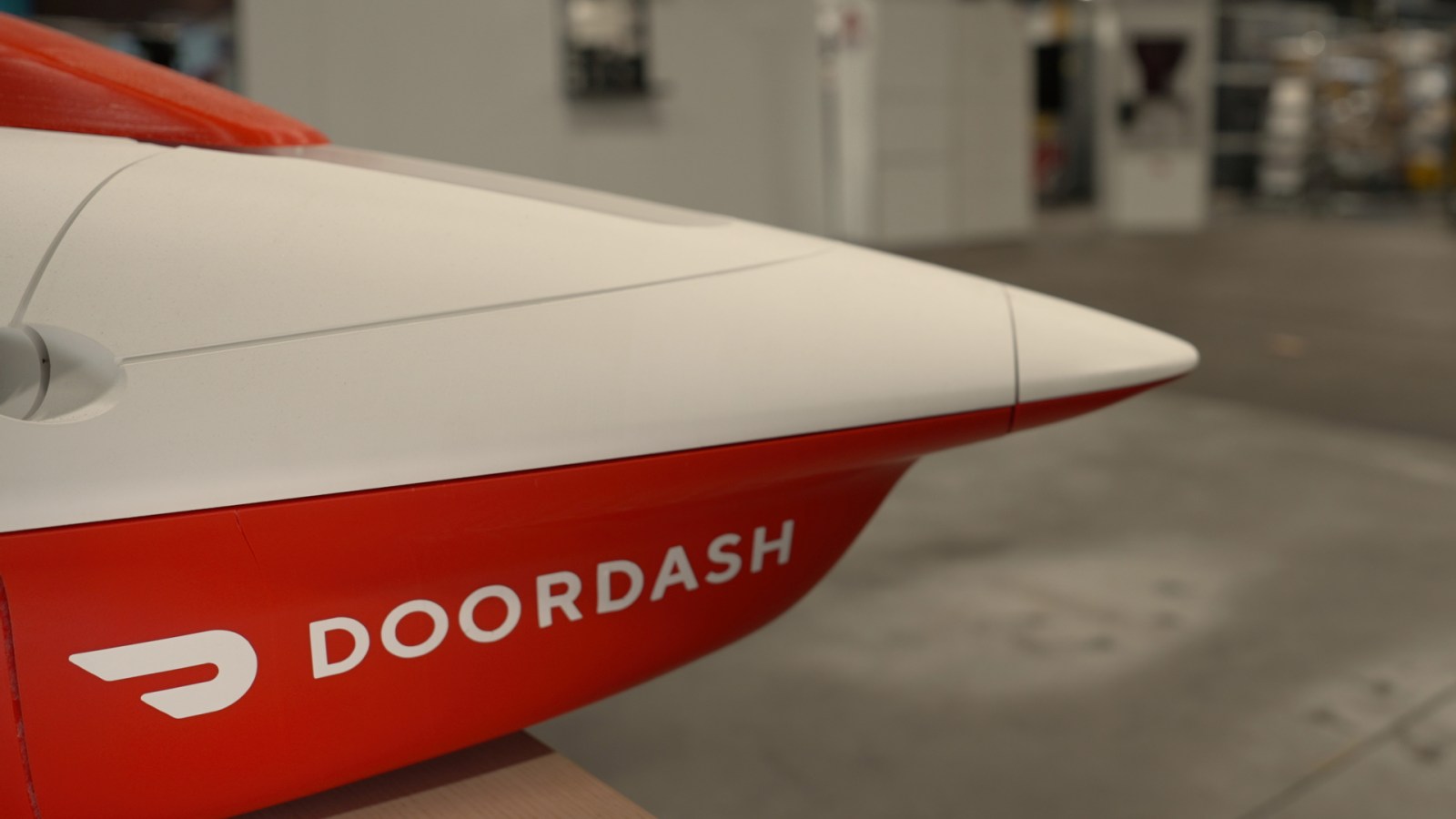
DoorDash’s latest foray into drone delivery is poised to reshape more than just how food reaches customers. It could also generate demand for workers with expertise in aviation, robotics, and technical fields, areas not traditionally linked to food delivery. This week, the company announced its receipt of Federal Aviation Administration (FAA) Part 135 air carrier certification, launching DoorDash Air. Developed by DoorDash Labs, this in-house drone delivery program makes DoorDash the eighth operator in the U.S. approved for drone delivery operations.
Despite this milestone, DoorDash cannot start deliveries right away. An FAA spokesperson told Newsweek that although DoorDash received an air carrier certificate permitting daytime drone delivery operations, the company must first obtain FAA approval for its aircraft and proposed operations. This includes meeting all certification, testing, and validation requirements.
While much debate surrounds whether automation might reduce the need for human couriers, the rise of drone delivery may create new roles. DoorDash dismissed concerns that drone delivery could reduce demand for traditional Dashers. The company expects delivery made by Dashers, drones, and sidewalk robots to grow alongside overall demand, expanding rather than redistributing the delivery workload.
DoorDash’s Strategic Shift
DoorDash’s experience with partners like Wing and Flytrex in states such as Texas, North Carolina, Georgia, and Virginia marked initial trials with drone delivery. However, DoorDash Air signifies a strategic pivot, as the company moves to develop its own aircraft and related infrastructure. Executives describe a comprehensive logistics ecosystem involving aircraft, routing systems, inventory tools, and order delivery software that determines whether drones, robots, or humans should handle an order.
Currently, more than 20% of DoorDash orders involve distances between three and five miles, often requiring up to 25% more delivery time. These orders are potential candidates for drone delivery. DoorDash asserts drones won’t replace Dashers in all tasks, such as navigating complex addresses or ID checks for alcohol purchases.
New Opportunities in the Workforce
DoorDash’s expansion hints at evolving job landscapes in delivery networks. The company is actively hiring within robotics, autonomy, hardware, and operations for its DoorDash Air team. It emphasized the creation of its drones, largely designed and manufactured in the U.S.
Traditional delivery jobs could evolve, requiring skills in aircraft operations, maintenance, monitoring, and regulatory compliance. Commercial drone networks operating under Part 135 demand oversight of safety and operations, introducing newfound expertise to the food delivery field.
While supporters argue automation transforms job roles and creates new opportunities, concerns persist about traditional role reductions. DoorDash highlights that drones will supplement rather than replace human drivers.
The Role of Human Couriers
DoorDash maintains that Dashers will remain integral, focusing on larger orders and those difficult to automate. The company asserts routing suitable orders to drones could help Dashers complete shorter routes more efficiently.
To date, DoorDash hasn’t announced workforce reductions associated with DoorDash Air. The company emphasizes ongoing roles for Dashers and notes that their pay hasn’t been adversely affected in autonomous delivery test markets.
Nonetheless, the broader conversation about automation’s impact within industries continues. While some see it’s potential to increase specialized job opportunities, others worry about diminishing traditional roles.
FAA Approved Operators
The FAA verified DoorDash as the eighth operator authorized for drone delivery under Part 135. Preceding DoorDash were firms like Wing Aviation, UPS Flight Forward, Amazon Prime Air, Zipline International, Causey Aviation Unmanned, DroneUp, and Drone Express (DEXA). These approvals date back to 2019, with companies pioneering drone delivery as commercial ventures. DoorDash’s certification underscores its ambition to evolve from a food-delivery platform to managing part of its delivery network infrastructure.
United States vs. International Progress
Globally, countries like China and Australia exhibit faster drone adoption. Chinese firms, such as Meituan, and Australian ventures, including Wing, have implemented expansive drone delivery networks in cities and beyond.
The rapid international pace contrasts with the nascent status of DoorDash’s drone program, highlighting the competitive global landscape. As the FAA progresses with its regulatory framework, DoorDash is preparing to integrate drones into its delivery system, a concept other countries have fostered for years.