
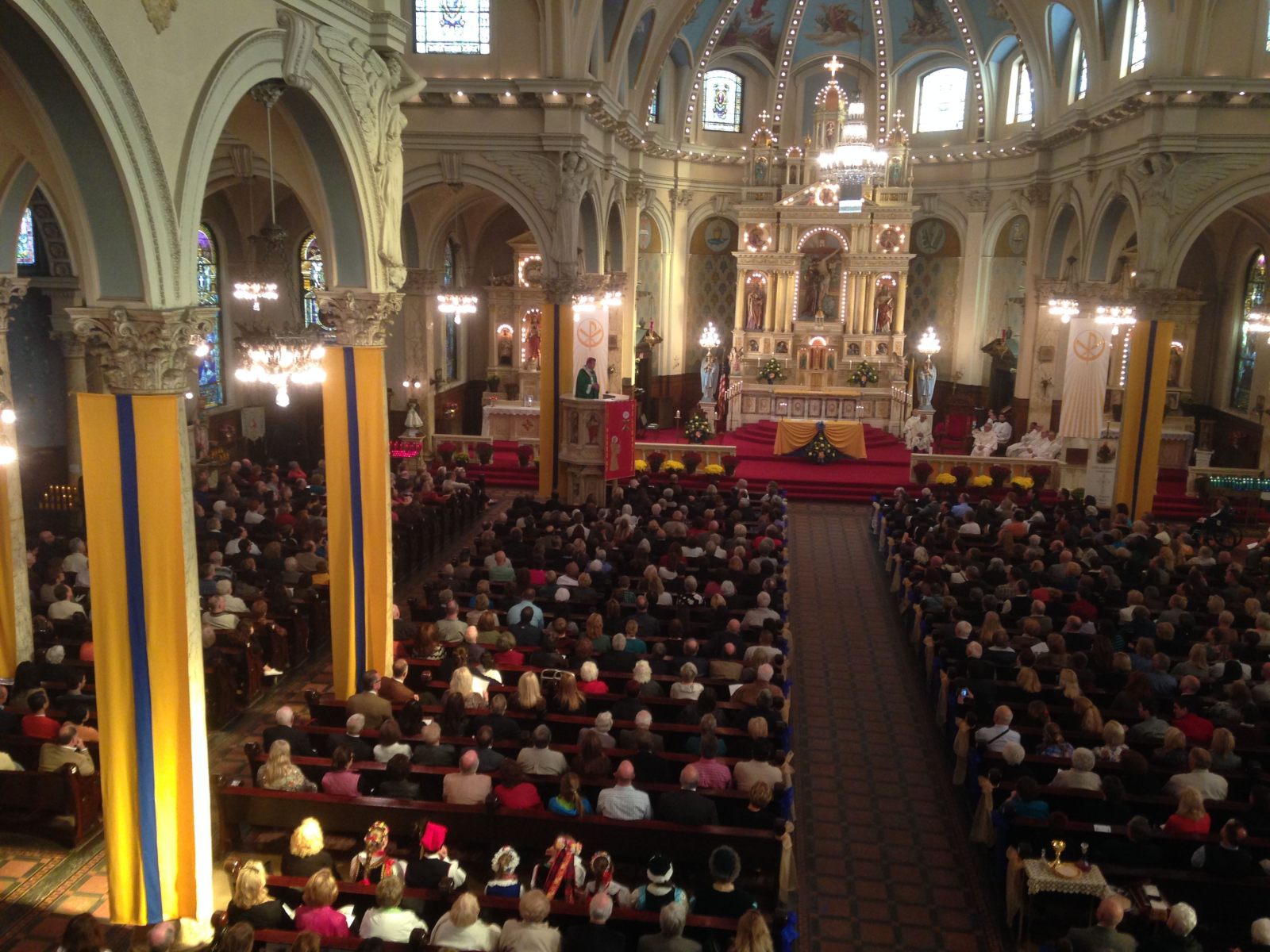
The Archdiocese of Detroit is considering discontinuing weekend Mass at up to 90 parishes. This decision comes as church leaders tackle declining congregations, a shortage of priests, and financial strains across the Detroit area.
Recently, the archdiocese added 32 parishes to the list of potential cuts, adding to the 58 already identified as part of a two-year reorganization. Officials say this effort is necessary to align with changing demographics and decreasing participation in church activities.
Trends in Mass Attendance
Data from the archdiocese indicates a 40 percent drop in Mass attendance since 2011. Numbers fell from 231,076 attendees to 139,088 in 2024, despite a population rise of nearly 100,000 in the Detroit area during the same period. This decline parallels broader challenges faced by the Catholic Church, including aging congregations and fewer clergy.
The decline stems from a wider trend in the U.S., where more people identify as having no religious affiliation. The Archdiocese of Dubuque in Iowa recently made a similar decision, ceasing weekend masses at 84 parishes due to declining clergy and attendance, reported by the Eternal Word Television Network (EWTN).
Archdiocese of Detroit’s Strategies
The Archdiocese of Detroit has conducted over 400 parish listening sessions as part of its planning process, as noted by Archbishop Edward J. Weisenburger. He encouraged continued feedback through online channels.
“This has been a deeply layered process,” he stated. But, he remains hopeful for a shared future vision.
Plans cover metro Detroit and counties such as Wayne, Oakland, and Macomb. They are yet to be finalized, with new pastorates expected by April 2027, for implementation starting July 1.
Reasons for Church Closures
The archdiocese cites changes in religious affiliation and population patterns as key factors, resulting in more buildings than required. Providing statistics, officials highlight a decrease in the local Catholic population from about 1.5 million to around 900,000.
Mass attendance decreases by approximately 4 percent annually. At this rate, one-third of attendees might stop attending in the next decade. In 2024, only 29 percent of pews were occupied.
The report notes a long-term decline in sacramental participation. Infant baptisms have dropped by 60–70 percent from their peak, while marriages have fallen by 40–50 percent.
Currently, funerals surpass other sacraments like baptisms, marriages, and confirmations, with around 6,000 conducted annually. This hints at an aging Catholic base and fewer new members.
The archdiocese also confronts a declining priesthood, with many pastors handling multiple administrative tasks, hence limiting ministry time. Most active priests are over 50, and less than 165 priests may remain in parish roles by 2029.
A Message of Hope
Archbishop Weisenburger urges focusing on opportunities rather than despair. Initially announcing the restructure, he emphasized facing challenges with a commitment to Christ and the Church.
“I believe the situation holds real and blessed opportunities,” he expressed, urging a reimagining of parish life with creativity and deep faith.