
A dengue fever outbreak is affecting multiple U.S. states, with Florida experiencing its largest outbreak in decades. The latest data from the Centers for Disease Control and Prevention (CDC) shows reported cases have increased in at least 15 states. Florida remains the epicenter, accounting for the majority of new cases.
Florida’s Ongoing Dengue Outbreak
Florida continues to grapple with a significant dengue outbreak. This year, the state has reported hundreds of dengue infections, including many local cases where individuals were infected within Florida rather than while traveling abroad. The Tampa Bay area is particularly affected, prompting emergency declarations in several counties.
Understanding Dengue Fever
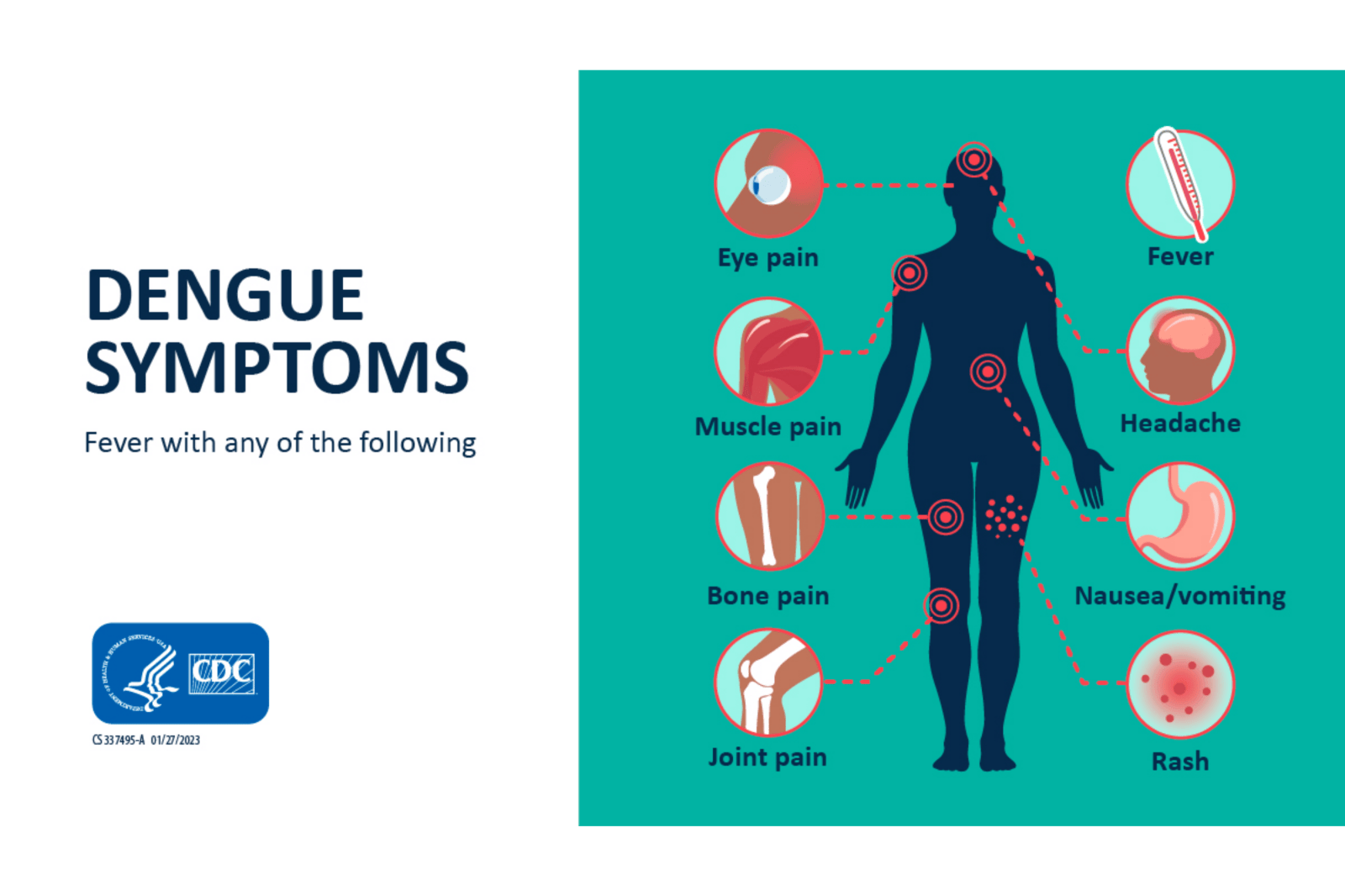
Dengue fever is a viral disease spread by infected mosquitoes. Symptoms may include fever, headache, pain behind the eyes, nausea, vomiting, rash, muscle pain, and joint pain. While many infections are mild and asymptomatic, severe dengue poses a life-threatening risk, leading to shock, severe bleeding, and organ failure.
Factors Influencing Case Increase
Several factors contribute to the rise in dengue cases in the U.S. Public health experts cite international travel and the presence of Aedes mosquitoes as significant contributors. Travelers returning from dengue-endemic regions can inadvertently spread the virus to local mosquito populations, which may then infect additional people.
CDC Data on State-by-State Increases
CDC reports show an increase in dengue cases since its last update. The largest surge occurred in Florida, with cases rising from 392 to 485. California followed with an increase from 31 to 45 cases. Other states with increased cases include:
- New York: 27 to 31 (Increase of 4)
- Texas: 14 to 17 (Increase of 3)
- New Jersey: 16 to 19 (Increase of 3)
- Illinois: 10 to 13 (Increase of 3)
- Washington: 16 to 18 (Increase of 2)
- Maryland: 11 to 12 (Increase of 1)
- Connecticut: 6 to 7 (Increase of 1)
- Massachusetts: 10 to 11 (Increase of 1)
- Kentucky: 4 to 5 (Increase of 1)
- Indiana: 2 to 3 (Increase of 1)
- Nebraska: 2 to 3 (Increase of 1)
- Colorado: 10 to 11 (Increase of 1)
- West Virginia: 0 to 1 (Increase of 1)
Across these states, the CDC recorded a total increase of 130 cases.
Preventive Measures and Future Outlook
Health officials recommend reducing mosquito exposure by using EPA-registered insect repellents, wearing long sleeves, and removing standing water around homes to prevent mosquito breeding. CDC data indicates that dengue activity remains heightened in Florida and is expanding in other states. Although travel-related cases dominate, the outbreak in Florida highlights the potential for rapid local transmission when dengue-carrying mosquitoes are present.
Newsweek has reached out to the CDC for additional comments and is awaiting their response.