
The Democratic National Committee (DNC) is encountering financial difficulties leading into the midterm elections. Recent filings with the Federal Election Commission reveal that the DNC’s debts exceed their cash reserves by over $2 million. As of June, the committee held $16.3 million in cash against $18.5 million in liabilities.
In contrast, the Republican National Committee (RNC) reported $128.5 million in cash with no outstanding debts. The disparity highlights challenges for the DNC, which has asked vendors to delay invoicing until after the elections. Additionally, they informed congressional leaders they would not make typical financial transfers to House and Senate campaign committees.
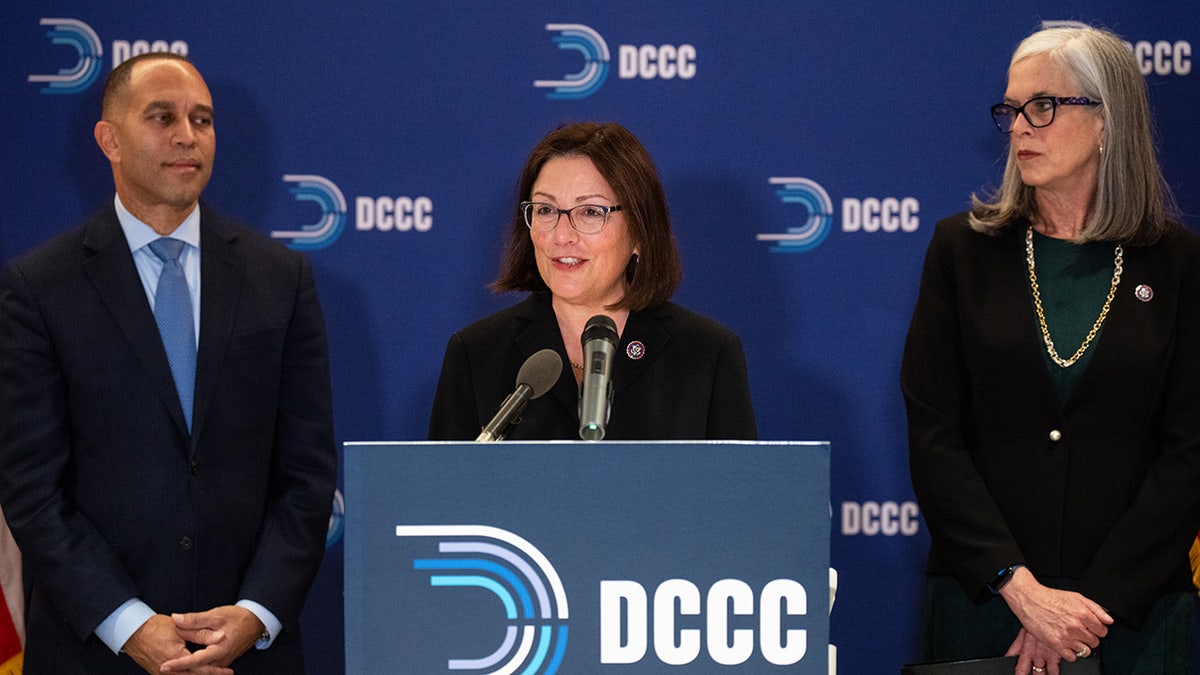
Despite these financial strains, the Democratic Congressional Campaign Committee (DCCC) Chair, Suzan DelBene, emphasized recent fundraising successes. DelBene noted the committee’s robust fundraising activities and the strong performance of Democratic candidates. This was corroborated by a press release that outlined their readiness to win in upcoming elections.
Veteran DNC member Donna Brazile stressed the need for help, indicating that DNC Chairman Ken Martin requires significant assistance. With limited funds, the DNC’s strategy includes extending resources beyond Washington to fortify local party organizations. As outlined, Martin’s approach includes a four-year State Partnership Program distributing over $1 million monthly to various Democratic state and territorial parties.
Moreover, the DNC’s financial overview is further scrutinized as recent reports show they used their headquarters as collateral for a $15 million credit line, repeating similar strategies from past election cycles. These initiatives form part of a broader plan to prepare for midterm elections, which will determine the control of Congress.
The outcome of the upcoming elections is consequential, as it will shape the legislative environment for the remaining years of President Donald Trump’s term. This is even more pressing given that recent Supreme Court decisions allow for increased coordinated spending between parties and candidates.