
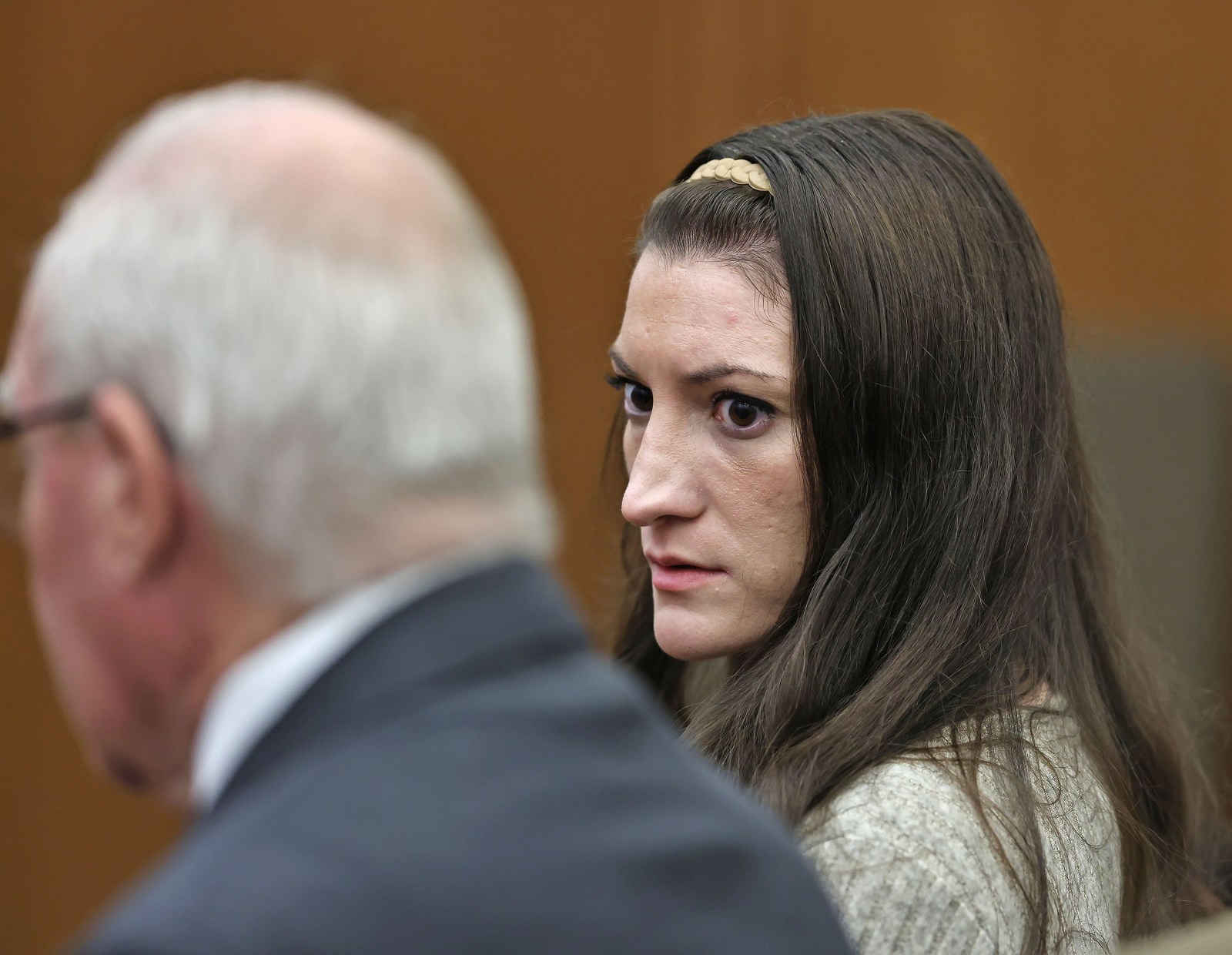
The jury deliberating the case of Lindsay Clancy has informed that it is unable to reach a unanimous verdict. However, this doesn’t signify the end of deliberations. After more than 17 hours of deliberations over four days, jurors communicated this difficulty to Plymouth Superior Court Judge William Sullivan on Tuesday. Instead of declaring a mistrial immediately, Judge Sullivan instructed the jurors to keep examining the case.
Trial Duration and Key Arguments
The trial lasted around six weeks and included testimony from over 80 witnesses and more than 300 exhibits. The primary question for the jury is whether Lindsay Clancy was criminally responsible for the deaths of her three children in January 2023. Her defense claims she was suffering from postpartum psychosis, whereas the prosecution argues she intentionally committed the killings.
Legal Framework for Jury Deliberations
Massachusetts law does not dictate a limit to the hours or days a jury may deliberate. A jury can continue as long as the judge believes further debate might lead to a unanimous decision. This flexibility is why Tuesday’s deadlock announcement did not conclude the case prematurely. Judge Sullivan sent the jurors back to reassess the evidence and legal instructions. If it becomes clear that reaching a unanimous verdict is impossible, the judge may declare a mistrial due to a hung jury, which could lead to a retrial.
Comparison with Long Jury Deliberations
Should the Clancy jury deliberate for days or weeks, it would not approach the longest jury deliberation record. According to Guinness World Records, a 1992 California civil case holds this record with jurors deliberating for about 4.5 months. This involved Shirley and Jason McClure suing Long Beach officials over housing bias, resulting in multimillion-dollar awards.
In criminal cases, the McMartin Preschool trial is notable for its lengthy proceedings. Deliberations lasted about nine weeks, following nearly three years of trial, and resulted in acquittals for Peggy McMartin Buckey while Ray Buckey was cleared of 52 counts but with deadlocks on 13 counts.
Other Notable Cases
Some famous trials concluded swiftly. The O.J. Simpson murder trial jury reached its not-guilty verdicts in under 4.5 hours. Robert Durst’s murder trial in 2021 led to a verdict after seven hours over three days. In contrast, the Scott Peterson jury deliberated for roughly seven days before convicting him of murder in 2004, showing no direct correlation between trial complexity and deliberation time.
The Menendez Brothers Case
Another high-profile case is the 1993-94 Menendez brothers trial. Separated juries deliberated for about 11 days before hung juries resulted in mistrials. Both Erik and Lyle Menendez were retried and convicted in 1996.
For the Clancy trial, a deadlocked jury does not equate to acquittal. Should a judge declare a mistrial, prosecutors could pursue another trial.
Impact of Deliberation Length
Experts caution against associating deliberation time with outcome predictions. Studies indicate evidence strength as a key conviction predictor, whereas deliberation-related variables hold weaker correlations. Long trials and complex cases often extend deliberation time, but their connection to final verdict quality is not definitive.
In the Clancy trial, the jury’s 17-hour debate reflects deep consideration of substantial evidence and contrasting arguments regarding mental illness, intent, and criminal accountability. While jurors have yet to agree, their division or leaning remains unclear.
Potential Outcomes
If the jurors consistently fail to reach a unanimous verdict, Sullivan might declare a mistrial, allowing prosecution the option to retry unresolved charges. A genuine jury deadlock generally does not function as an acquittal.
Future possibilities include a verdict announcement, extended deliberations, or a determination that unanimity is unachievable.